
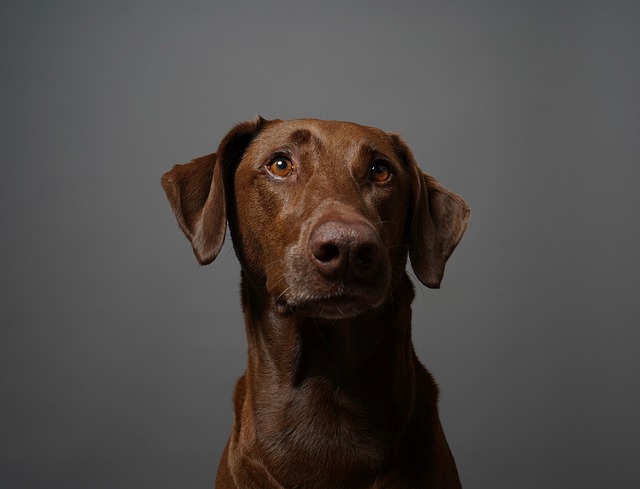
What is glaucoma in a dog?
You might notice your dog squinting more at mealtime or avoiding bright sunlight—these small changes could be early signs of a serious eye condition.
Poodles, with their lively personalities, curly coats, and high intelligence, have become beloved members of many families. However, there is a potential health threat, like a hidden "killer", constantly menacing the safety of poodles' lives - gastric dilatation. Gastric dilatation is an extremely dangerous disease for poodles. Once it strikes, the condition progresses rapidly and may even claim their lives in a short time. Therefore, understanding how to prevent gastric dilatation in poodles is a must - learn for every poodle owner and a manifestation of our deep love for them.
Gastric dilatation, also known as gastric torsion or bloat, refers to the rapid expansion of a poodle's stomach in a short period, and it may be accompanied by torsion. Under normal circumstances, a dog's stomach can hold an appropriate amount of food and gas and expel them through the normal digestion process. But when gastric dilatation occurs, a large amount of gas and food accumulate in the stomach, causing the stomach to expand, which in turn compresses the surrounding organs, affecting blood circulation and normal physiological functions. If the stomach twists, the situation becomes even more critical because this blocks the blood supply to the stomach, leading to gastric tissue necrosis. Imagine your beloved poodle curled up in a corner in pain due to gastric dilatation, retching continuously but unable to vomit anything. As an owner, you would be extremely anxious and heart - broken.
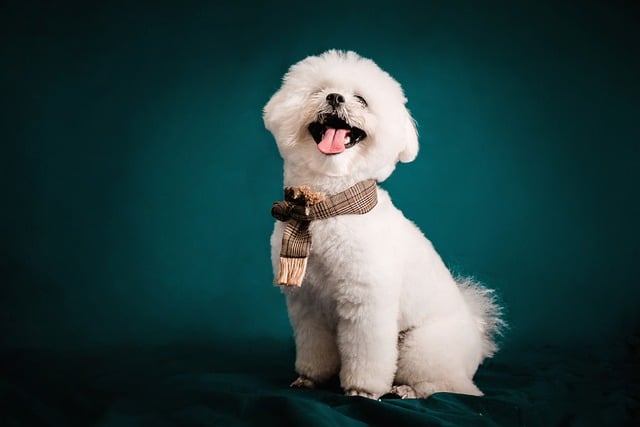 Understanding the inducing factors of gastric dilatation is the crucial first step in prevention. Firstly, the feeding method has a significant impact on the occurrence of gastric dilatation in poodles. Rapid eating is a common cause. If a poodle gobbles up a large amount of food in a short time, it will quickly fill the stomach, increasing the risk of gastric dilatation. Moreover, engaging in intense exercise immediately after eating is also likely to trigger gastric dilatation. For example, many owners take their poodles out for wild play right after feeding. At this time, the dog's stomach is full, and intense exercise can easily cause the stomach to change its position, thus leading to gastric torsion. In addition, the type and quality of food cannot be ignored. Consuming indigestible food or food containing excessive gas - producing substances may cause gas to accumulate in the stomach, increasing the likelihood of gastric dilatation.
To prevent gastric dilatation in poodles, we need to take measures from multiple aspects. In terms of diet management, feed regularly and in fixed amounts. Set fixed feeding times and amounts every day to help poodles develop good eating habits. You can divide the daily food into several feedings to avoid over - feeding at one time. At the same time, choose high - quality, easily - digestible dog food and avoid buying low - quality dog food with a large number of fillers and additives. To slow down the poodle's eating speed, you can use special slow - feeding bowls. The design of these bowls distributes the food in different areas, forcing the dog to spend more time and effort to get the food, thus reducing the possibility of rapid eating.
The activity arrangement after eating is also of great importance. After a poodle eats, let it rest quietly for at least 30 minutes to 1 hour to avoid intense exercise. Activities such as running, jumping, or playing should be carried out some time after eating. Similarly, do not feed the poodle immediately after intense exercise. It is best to wait until the dog's breathing and heartbeat return to normal before feeding.
In addition to diet and exercise, we should also pay attention to the poodle's daily behavior and health status. If you notice abnormal symptoms such as vomiting, abdominal distension, or difficulty breathing in your poodle, take it to the pet hospital immediately. These symptoms may be early manifestations of gastric dilatation, and seeking medical treatment in a timely manner can buy precious treatment time. Moreover, regularly taking the poodle to the pet hospital for a physical examination is also an important preventive measure. Veterinarians can detect potential health problems through examinations and provide corresponding preventive suggestions.
Poodles are the warmest companions in our lives, giving us unconditional love and trust. Preventing gastric dilatation is our response to this love. Every preventive measure and every careful care is a safeguard for the poodle's health. Let's take action to create a safe and healthy living environment for poodles, allowing them to accompany us through more wonderful times. If you have any questions about preventing gastric dilatation during the process of raising a poodle, such as how to choose a suitable slow - feeding bowl or how to judge if the dog's exercise amount is appropriate, feel free to communicate with me at any time. Let's work together to protect the health of poodles.
You might notice your dog squinting more at mealtime or avoiding bright sunlight—these small changes could be early signs of a serious eye condition.
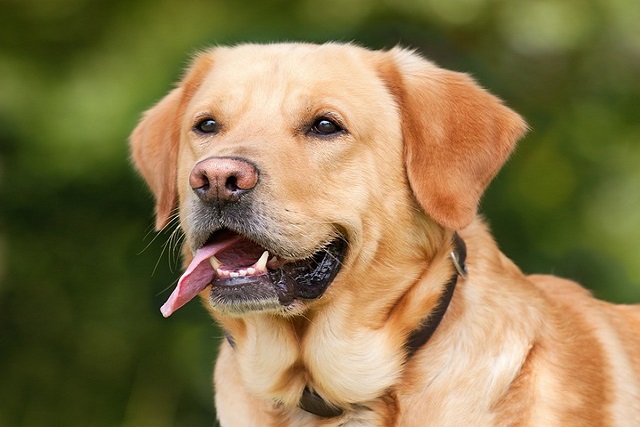
Let’s set the scene: It’s a sweltering Phoenix afternoon—105°F outside—and you rushed your 2-year-old Lab mix, Cooper, on a quick walk to “get it over with.”
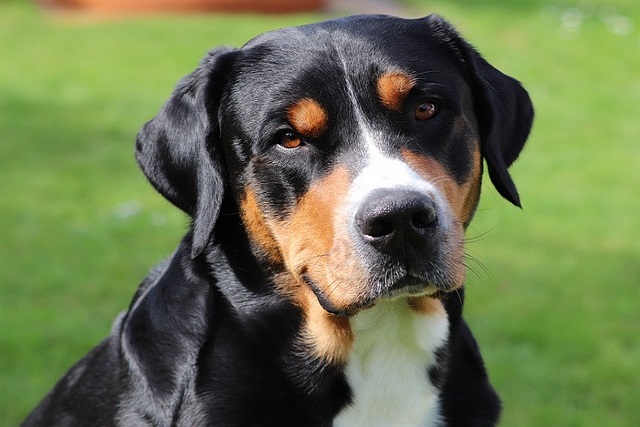
Let’s get real: You’re in your Miami apartment, watching your 3-year-old Corgi, Loki, struggle to climb the stairs to your second-floor unit.
Many dog owners brush off occasional scratching as just “dog behavior,” but persistent itching often signals something more—like a food allergy.
You might first notice your dog scratching more than usual—chewing at their paws until the fur looks thin, or rubbing their face against the couch nonstop.
Let’s be real: You’re standing in your Chicago apartment, watching your 3-year-old Beagle, Max, huff and puff just to climb onto the couch.