
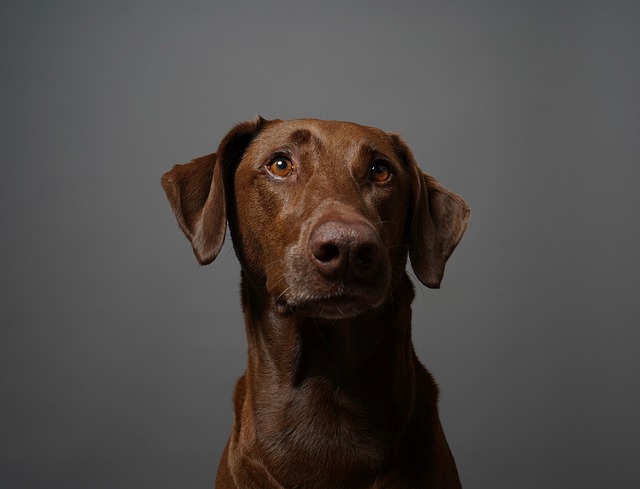
What is glaucoma in a dog?
You might notice your dog squinting more at mealtime or avoiding bright sunlight—these small changes could be early signs of a serious eye condition.
The dog at home is repeatedly plagued by gastroenteritis, frequently experiencing symptoms such as vomiting and diarrhea. Not only does the dog suffer from the pain, but as owners, we are also heartbroken. Watching the dog listlessly, I wish I could bear this pain for it. In fact, as long as you master scientific prevention methods and pay enough patience and attention to detail, you can reduce the risk of recurrent gastroenteritis in dogs and restore their vitality.
Dietary management is the key to preventing the recurrence of gastroenteritis in dogs. Just like us humans, dogs' digestive system also requires a regular and healthy diet. Firstly, avoid feeding raw, cold, greasy, and irritating foods. Some owners feel sorry for their dogs and will give them some human food, such as ice cream, fried foods, or chili peppers. These foods are too heavy on the dog's digestive system and can easily cause gastroenteritis. I have a friend who once gave his dog a few pieces of fried chicken, but the dog started vomiting and diarrhea that day. He went to the hospital for examination and found that gastroenteritis had recurred. We should choose nutritionally balanced and easily digestible dog food for dogs, which is the foundation of their healthy diet.
Regular and quantitative feeding is also very important. Encourage dogs to develop good eating habits and avoid overeating and prolonged hunger. Overeating can cause a dog's stomach and intestines to bear too much food at once, while prolonged hunger can lead to excessive secretion of stomach acid, stimulating the gastric mucosa. A reasonable feeding plan can be developed based on the age, weight, and activity level of the dog. For example, adult dogs can be fed 2-3 times a day, while puppies need to increase their feeding frequency. The amount fed each time should not be too much, and it is advisable for the dog to be 70-80% full.
When changing food, it is important to proceed gradually. Dogs' intestines and stomach need time to adapt to new food, and if they suddenly change dog food, the irritation to their intestines can be too great, which can easily cause discomfort. You can first mix new dog food and old dog food in a certain proportion, and then gradually increase the proportion of new dog food to allow the dog's digestive system to adapt slowly. This process may take 7-10 days, although a bit troublesome, these steps are essential for the health of the dog.
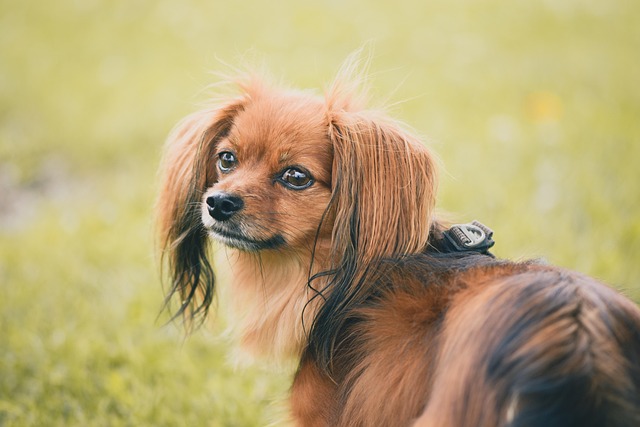
Parasites are also an important factor in the recurrence of gastroenteritis in dogs. Some parasites can parasitize in dogs' intestines, damaging the intestinal mucosa and affecting normal intestinal function. Regular deworming is the key to prevention. Especially for dogs that often eat raw meat and bones, deworming should be done once a month; Other dogs should be dewormed at least once every three months. There are many types of deworming drugs on the market. When choosing, consult a veterinarian and select the appropriate medication and dosage based on the age, weight, and health condition of the dog.
Vaccination cannot be ignored either. Infectious diseases such as canine distemper, canine coronavirus, and canine parvovirus can all cause gastroenteritis in dogs. Regular vaccination can effectively prevent the occurrence of these infectious diseases, thereby reducing the risk of gastroenteritis recurrence. Puppies can start getting vaccinated after reaching 45 days of age, while adult dogs need to receive regular booster shots every year. Every time I take my dog to get vaccinated, it's like putting a layer of armor on it, allowing it to resist the invasion of viruses.
Daily care also plays an important role in prevention. Keeping dogs' drinking water and food fresh and clean is the most basic requirement. Change the water multiple times a day to ensure that the dog can drink clean water at any time; Wash the food bowl frequently to prevent the growth of bacteria from food residues. When walking a dog, be sure to take good care of it and avoid it picking up foreign objects and garbage on the ground. These things may carry various bacteria, and once the dog accidentally eats them, it can easily cause gastroenteritis.
It is also important to record a dog's allergies to certain foods. Some dogs may be allergic to foods such as milk and seafood, and once consumed, they may experience gastrointestinal discomfort. After understanding the allergic foods of dogs, it is important to avoid re feeding and prevent gastroenteritis caused by allergies from the source.
If a dog has symptoms of recurrent gastroenteritis, it is important to seek medical attention promptly. Do not self medicate your dog, as different causes of gastroenteritis require different treatment methods. Veterinarians will determine the cause through examination and then develop appropriate treatment plans. During the treatment of dogs, it is necessary to strictly follow the instructions of veterinarians, do a good job of care, and help dogs recover their health as soon as possible.
Preventing the recurrence of gastroenteritis in dogs is a long-term battle that requires patience and attention to detail. Every small detail may be related to the health of a dog. Let us build a strong defense line for the gastrointestinal health of dogs with love and care, so that they can accompany us happily through every day. Watching the dog under our care, bouncing and full of vitality, that sense of happiness cannot be described in words. Let's work together to keep dogs away from the troubles of gastroenteritis.
You might notice your dog squinting more at mealtime or avoiding bright sunlight—these small changes could be early signs of a serious eye condition.
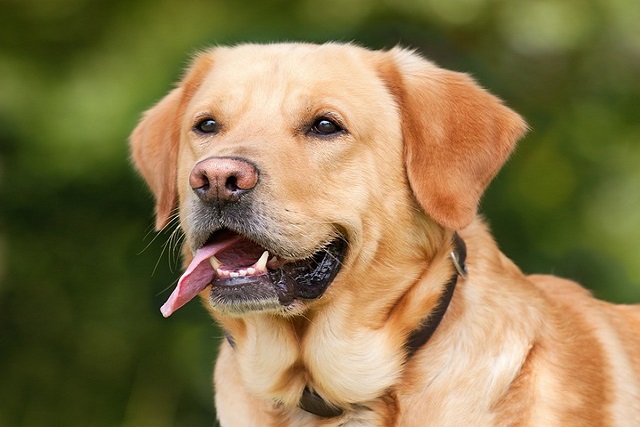
Let’s set the scene: It’s a sweltering Phoenix afternoon—105°F outside—and you rushed your 2-year-old Lab mix, Cooper, on a quick walk to “get it over with.”
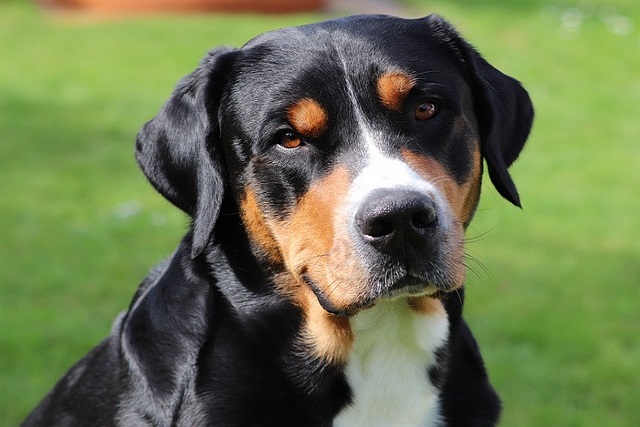
Let’s get real: You’re in your Miami apartment, watching your 3-year-old Corgi, Loki, struggle to climb the stairs to your second-floor unit.
Many dog owners brush off occasional scratching as just “dog behavior,” but persistent itching often signals something more—like a food allergy.
You might first notice your dog scratching more than usual—chewing at their paws until the fur looks thin, or rubbing their face against the couch nonstop.
Let’s be real: You’re standing in your Chicago apartment, watching your 3-year-old Beagle, Max, huff and puff just to climb onto the couch.