
How do i train my dog to be obedient?
Watching your dog dart across the park ignoring your calls isn’t just frustrating—it can put them at risk near busy streets or public spaces.
In the hearts of countless people, dogs are warm companions. They are loyal and cute, bringing us endless joy. However, it is not easy to turn a dog into a well-behaved and sensible "good baby." It requires owners to invest time, patience, and love, and master scientific methods. Next, let's explore how to raise a dog to be obedient and adorable.
I. Build Trust and an Intimate Relationship
Trust is the foundation of all good relationships, and this is no exception for dogs. When you first bring a dog home, it is often in a strange environment, filled with fear and anxiety. At this time, the owner should be patient and gentle with the dog and not rush to force it to do anything. You can gently stroke its head and back and talk to it in a soft voice, allowing it to gradually get familiar with your smell, voice, and movements. Spend some time playing with the dog every day, such as throwing a ball or playing tug-of-war. During the play, the dog will feel your care and company, and gradually develop trust and dependence on you. Once the dog trusts you, it will be more willing to follow your instructions and cooperate with your training.
II. Reasonable Diet and Health Management
A healthy body is the basis for a dog to be obedient. Owners should provide their dogs with a balanced diet. Select suitable dog food according to the dog's age, breed, weight, and activity level. At the same time, pay attention to feeding regularly and in appropriate amounts to avoid the dog overeating or being overly hungry. In addition to dog food, you can also appropriately feed the dog some fresh vegetables, fruits, and meat to supplement vitamins and protein. Moreover, ensure that the dog has access to plenty of clean drinking water to meet its water needs at any time. Regularly take the dog to the pet hospital for physical examinations, vaccinations, and deworming to prevent the occurrence of various diseases. Only when the dog is healthy and comfortable will it be in a good mental state and actively cooperate with the owner's training.
III. Scientific Training Methods
(1) Positive Reinforcement
Dogs are very intelligent animals and can understand their owners' emotions and attitudes. When training a dog, use positive reinforcement methods more often. That is, when the dog exhibits the correct behavior, give it rewards immediately, such as food, toys, praise, or a gentle pat. The reward should be given immediately after the dog performs the correct behavior so that the dog can understand that its behavior is recognized and encouraged. For example, when you teach the dog to sit, give the command "Sit." If the dog follows the command and sits down, immediately give it a small treat and gently praise it, saying "Good job." By repeating this process continuously, the dog will gradually understand that it can get rewards as long as it follows the instructions and performs the correct behavior, and thus be more willing to cooperate with the training.
(2) Step by Step
Training a dog cannot be rushed; it should follow the principle of gradual progress. Start with simple commands such as "Sit," "Lie down," and "Shake hands." After the dog has mastered these basic commands proficiently, gradually increase the difficulty and teach it more complex skills. Each training session should not be too long, preferably 5 - 10 minutes, to avoid the dog getting bored. You can conduct multiple short training sessions every day. This can not only maintain the dog's interest in learning but also help it better master the training content.
(3) Consistency
During the dog training process, family members should maintain consistent commands and rules. If different people give the dog different commands or have different reactions to the same behavior, the dog will be confused and not know what the correct thing to do is. For example, if some people allow the dog to get on the bed while others don't, the dog will be at a loss. Therefore, family members should communicate in advance, formulate unified rules and commands, and strictly enforce them.
IV. Correct Bad Behaviors
Dogs are bound to exhibit some bad behaviors during their growth, such as urinating and defecating everywhere, chewing things randomly, and jumping on people. When you notice a dog has bad behaviors, correct them in a timely manner. However, do not use violence or punishment, as this will make the dog feel frightened and uneasy, and may even cause it to develop a rebellious attitude towards the owner. The correct way is to stop the dog's bad behavior in a gentle but firm tone and then guide it to perform the correct behavior. For example, when the dog urinates or defecates in the wrong place, immediately take it to the designated toilet area, let it finish defecating there, and then give it a reward. If the dog chews things randomly, provide it with some special toys so that it knows what it is allowed to chew.
V. Provide Sufficient Exercise and Social Interaction
Dogs are energetic animals and need enough exercise to burn off their physical strength and energy. Take the dog out for a walk and play every day, giving it the opportunity to run and jump. This can not only keep the dog physically healthy but also reduce bad behaviors caused by excess energy. In addition, social interaction is also very important for a dog's mental health. Allowing the dog to interact with other dogs and humans and learn how to get along with others can help it become more cheerful and confident and reduce aggressive behaviors caused by fear or anxiety. You can take the dog to a pet park to play with other dogs or invite friends with dogs to your home to enhance the communication and interaction among dogs.
Raising an obedient dog requires a lot of effort and hard work from the owner. However, when you see the dog growing up healthily under your careful care and becoming a well-behaved and sensible companion, all the efforts will be worthwhile. In this process, you will not only gain a lovely dog but also establish a deep and beautiful emotional bond. Let's accompany the dog through every happy day with love and patience.
Watching your dog dart across the park ignoring your calls isn’t just frustrating—it can put them at risk near busy streets or public spaces.
New puppy owners often find themselves rushing to clean up accidents before they set in, and that’s where puppy pad training becomes a game-changer.
If you've noticed your dog's waistline disappearing and your veterinarian has mentioned those few extra pounds, your first instinct might be to simply reduce the amount of food in their bowl.

Training a dog to use a designated spot indoors isn’t as daunting as many new owners fear, but it does take consistency and an understanding of your pet’s needs.
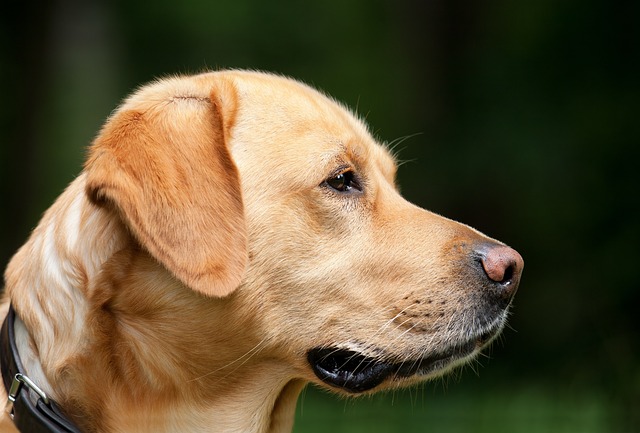
That moment of dread on a walk is all too familiar for many new dog owners. You see another dog approaching down the sidewalk of your neighborhood
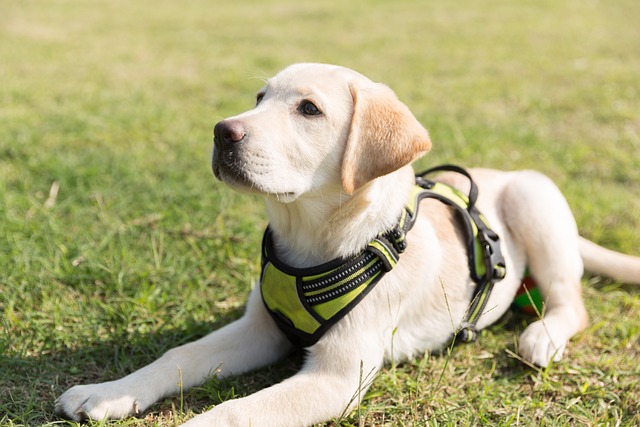
If the sight of another dog on your neighborhood walk makes your heart sink as your own dog erupts into a frenzy of barking and lunging, you're not alone.