

How can I tell if my dog's heatstroke is serious
Let’s be real: It’s a sticky August morning in Los Angeles, and you took your 2-year-old Golden Retriever, Max, for a walk a little later than usual
You just adopted Thor, your energetic Siberian Husky, and now your apartment resembles a snowstorm in July. That magnificent double coat – evolved for Arctic survival – releases clouds of fluff during "blowing coat" season (typically spring/fall). Ignoring this isn't just messy; trapped dead undercoat causes overheating, skin irritation, and painful mats. Effective management is non-negotiable. The key lies in respecting the coat's biology: the dense, woolly undercoat sheds seasonally, while the longer guard hairs protect from elements. Trying to shave it off is disastrous – it ruins temperature regulation and increases sunburn risk. Instead, strategic undercoat removal is essential.
Arm yourself with the right tools used weekly (daily during peak shedding). Start with a high-velocity dryer (like those at groomers) before bathing – this blasts loose hair outdoors or into a contained space, saving your vacuum. Follow with an undercoat rake (look for medium-length pins) gently worked in the direction of hair growth, lifting dead fluff without damaging guard hairs. For stubborn areas like the fluffy britches, use a slicker brush with flexible pins, finishing with a wide-toothed comb. The "line brushing" technique is gold: part the fur down to the skin with one hand, brush the exposed section with the other, working systematically from tail to head. Bathing every 4-6 weeks with a de-shedding shampoo (like Furminator brand) and conditioner helps loosen hair – but always blow-dry thoroughly afterward with the dryer on cool/low heat. Wet undercoat mats instantly. Reward Thor constantly with tiny training treats and calm praise, turning sessions into bonding time. If he shows stress (lip licking, yawning), stop immediately – forcing contact erodes trust.
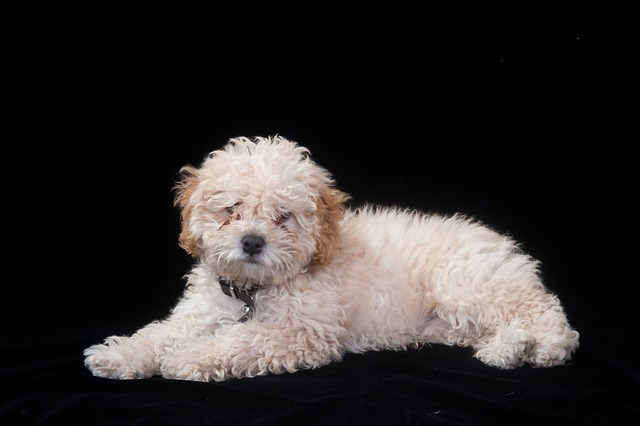
This humane approach aligns with U.S. animal welfare culture. Proper coat maintenance prevents neglect allegations related to severe matting causing pain or infection. Remember legal basics: Thor’s rabies vaccination must be current (mandatory nationwide), and carry biodegradable poop bags always – even quick "brush break" potty trips in your Seattle apartment complex require instant cleanup per local ordinances. Positive reinforcement isn’t optional; jerking mats out or yelling is culturally condemned.
Apartment living demands diligence. Regular de-shedding drastically reduces hair clogging shared HVAC systems and drifting into hallways – a major neighborly courtesy. Schedule sessions during daytime hours to avoid noise complaints from clippers or dryers. Post-grooming walks need extra awareness: freshly brushed Thor might feel extra bouncy! Keep him leashed securely (many cities like Chicago require sub-6ft leashes), yield space to pedestrians/joggers, and avoid letting him shake loose hair onto outdoor cafe seating. Store collected hair responsibly – some owners stuff it into old pillowcases for bird nesting material! If mats form despite brushing, never cut them yourself; seek a professional groomer experienced with Huskies.
Consistency wins the fur war. Invest in a quality dryer, rake, and slicker brush. Embrace the seasonal "floofpocalypse" as part of Husky ownership. By removing loose undercoat humanely, respecting community standards, and fulfilling legal responsibilities, you ensure Thor stays cool, comfortable, and welcome everywhere – even in your spotless living room.
Let’s be real: It’s a sticky August morning in Los Angeles, and you took your 2-year-old Golden Retriever, Max, for a walk a little later than usual

You're enjoying a summer afternoon at the park when you notice your dog has stopped panting and appears disoriented - their gums are bright red

Let’s paint the picture: You’re in your Denver apartment, watching your 4-year-old Boston Terrier, Ruby, plop down mid-play session with her favorite toy

Many dog owners notice their pets nails seem shorter after regular walks,but how much does this daily activity actually help?The answer depends on where you walk—concrete sidewalks or asphalt streets gently file nails as a dog's paws hit the ground
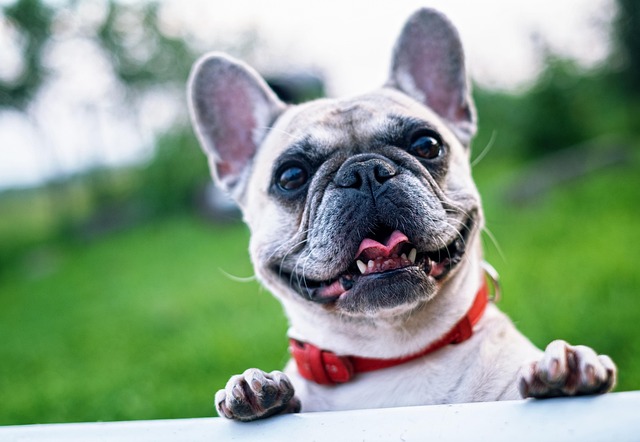
Most dog owners notice their pup scooting across the carpet at some point, but few connect it to impacted anal glands. These small sacs near a dog’s rectum secrete a scent for marking territory

Most vets agree that regular dog teeth cleaning is key to avoiding painful dental issues later. For healthy adult dogs, a professional cleaning at the vet’s office every 12 to 18 months usually works well.