
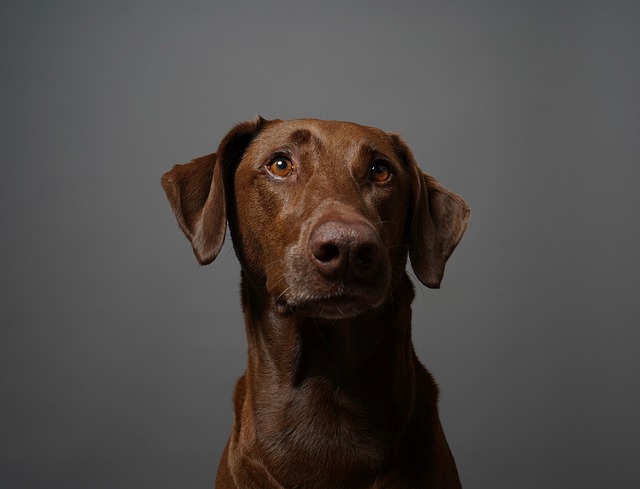
What is glaucoma in a dog?
You might notice your dog squinting more at mealtime or avoiding bright sunlight—these small changes could be early signs of a serious eye condition.
Helping a dog recover after surgery starts with creating a quiet space they can call their own. A cozy corner away from loud kids, other pets, or busy doorways works best—think a soft bed with their favorite blanket, where they can rest without feeling disturbed. Keep the area dim if they seem sensitive to light, and avoid moving their bed around too much; familiarity helps them relax.
Stick closely to the vet’s instructions for medications. Measure doses carefully, and set reminders if needed—missing a dose or giving too much can slow healing. When it’s time to dispose of leftover meds, check local guidelines; many places have specific drop-off spots instead of tossing them in the trash.
Food and water matter more than usual now. Some dogs lose their appetite post-surgery, so try warming their regular food slightly or offering small, frequent meals. Always provide fresh water, but ask the vet if they need limited amounts to avoid upsetting their stomach. Never give table scraps, even if they beg—rich foods can cause digestive issues during recovery.
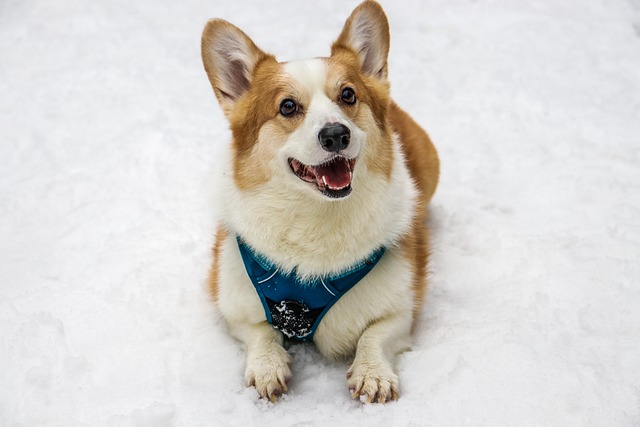 Gentle movement helps, but don’t rush it. Short, slow walks for bathroom breaks are okay once the vet gives the go-ahead, but keep them leashed and close. Avoid parks or busy streets until they’re fully healed; even calm dogs might get overexcited, risking stitches. Check local rules on short walks—some areas require leashes for recovering pets, no exceptions.
Watch for signs something’s off: swelling that gets worse, redness around the incision, or if they stop eating for more than 24 hours. Call the vet right away—waiting can turn a small issue into something bigger. It’s normal to feel anxious, but staying alert helps catch problems early.
Most importantly, be patient. Recovery takes time, and some days will be better than others. Your quiet presence, soft voice, and consistent care will help them feel safe. Before you know it, they’ll be back to chasing toys or napping in their favorite sunspot—proof your effort is working.
You might notice your dog squinting more at mealtime or avoiding bright sunlight—these small changes could be early signs of a serious eye condition.
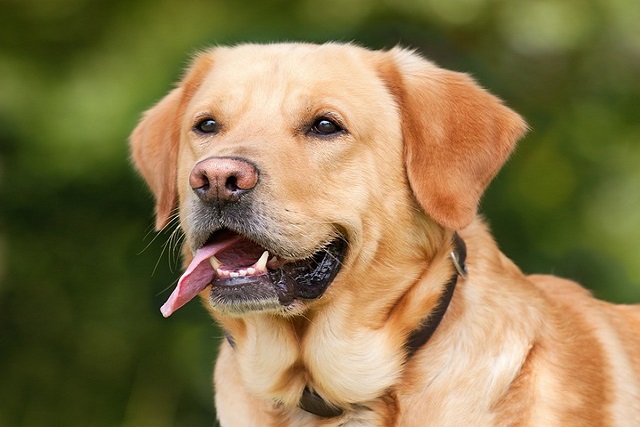
Let’s set the scene: It’s a sweltering Phoenix afternoon—105°F outside—and you rushed your 2-year-old Lab mix, Cooper, on a quick walk to “get it over with.”
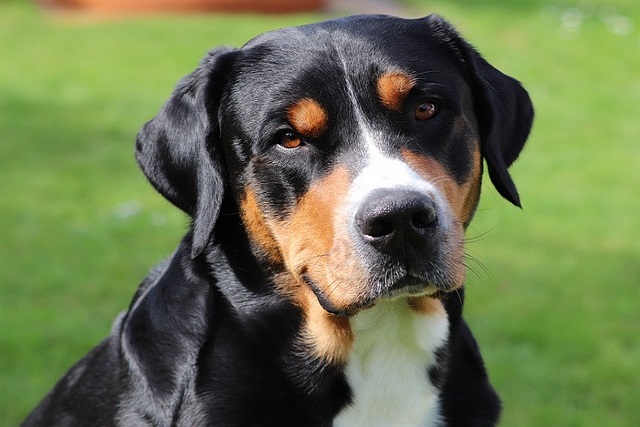
Let’s get real: You’re in your Miami apartment, watching your 3-year-old Corgi, Loki, struggle to climb the stairs to your second-floor unit.
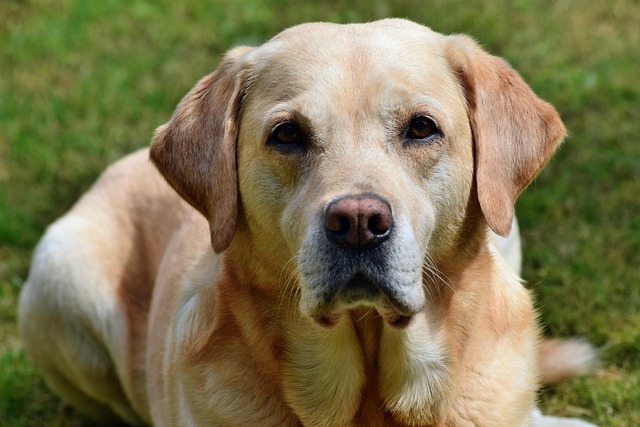
Many dog owners brush off occasional scratching as just “dog behavior,” but persistent itching often signals something more—like a food allergy.
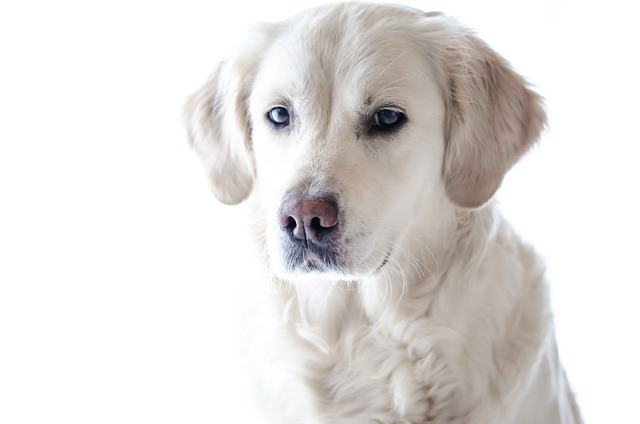
You might first notice your dog scratching more than usual—chewing at their paws until the fur looks thin, or rubbing their face against the couch nonstop.
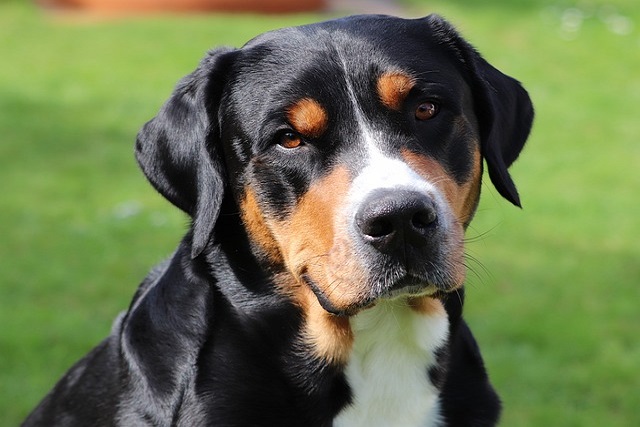
Let’s be real: You’re standing in your Chicago apartment, watching your 3-year-old Beagle, Max, huff and puff just to climb onto the couch.