
How do i train my dog to be obedient?
Watching your dog dart across the park ignoring your calls isn’t just frustrating—it can put them at risk near busy streets or public spaces.
Dogs running around outside is a heart wrenching scene that many dog owners have encountered. When we joyfully take our dogs out for a walk and enjoy the wonderful time we spend with them, the dogs suddenly break free from their restraints and run around like wild horses. In an instant, the original ease and joy are replaced by tension and anxiety. At that moment, our hearts seemed to be suspended in mid air, afraid that the dog would encounter danger. So, finding effective ways to solve the problem of dogs running around outside is not only to maintain public order, but also a powerful guarantee for the safety of dogs' lives.
There are various reasons why dogs run around when they go out, and only by deeply understanding these reasons can we take targeted measures to deal with them. From an instinctive perspective, dogs have an innate desire to explore. Their ancestors were wild animals that needed to constantly explore the environment to obtain food, find habitats, and reproduce when surviving in the wild. Although dogs have become companions of humans after a long period of domestication, this exploratory instinct is still deeply imprinted in their genes. Once in the vast outdoors, various fresh smells, unfamiliar sounds, and novel sights will greatly stimulate dogs' curiosity, prompting them to break free from their owners' control and explore the unknown world.
In addition, the lack of good training for dogs is also an important factor that leads to them running around outside. If the owner does not provide systematic behavioral training to the dog during its infancy, it will be difficult for the dog to understand the owner's instructions and intentions, and will not understand which behaviors are allowed and which are not.
We need to take a series of scientifically effective measures to address the problem of dogs running around outside. Firstly, strengthening training is crucial. Basic obedience training is essential, including instructions such as "sit down," "wait," and "come over. Through repeated training, dogs can understand the meaning of these instructions and quickly respond correctly upon hearing them. During the training process, positive motivation methods should be used. When the dog performs the correct behavior as required, timely rewards should be given, such as delicious snacks, enthusiastic praise, or gentle caresses. This can enhance the confidence and enthusiasm of dogs, making them more willing to obey their owners' commands.
Accompanying training is also very important for solving the problem of dogs running around when going out. When taking a walk, choose a suitable leash and let the dog walk on your left side, maintaining an appropriate distance. When the dog wants to run ahead or deviate from the route, gently pull the leash and give the command to "follow" to guide the dog back to the correct position. If the dog can maintain the same pace as you as required, it should be rewarded in a timely manner.
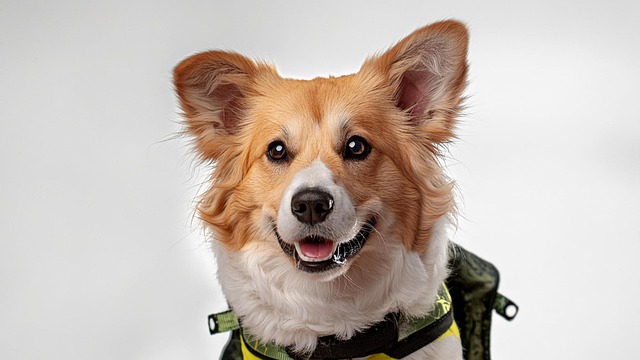
In addition to training, we can also use some tools to assist in controlling the behavior of dogs. Appropriate traction ropes and collars are essential. The length of the towing rope should be moderate, neither too long to give the dog too much space for movement, nor too short to limit the dog's movement. The choice of collar should be determined based on the size and breed of the dog to ensure comfortable and safe wearing.
At the same time, we should also pay attention to the emotional state of dogs and try to avoid putting them in overly excited or anxious environments. Before taking your dog out, you can let them engage in some appropriate indoor activities to burn some of their energy. This way, the dog's excitement will be relatively reduced when going out. If dogs feel fearful of certain environmental factors, it is important to provide them with sufficient comfort and companionship to help them gradually overcome their fear.
In daily life, we also need to cultivate good behavioral habits in dogs. Do not allow your dog to move freely without the supervision of its owner, even in a relatively safe environment such as your own yard. Dogs should understand that they can only go out for activities with the companionship and permission of their owners. At the same time, it is necessary to regularly take dogs for physical examinations to ensure their health. Sometimes, abnormal behavior in dogs may be a manifestation of physical discomfort. If the abnormal behavior is caused by physical reasons, timely treatment can help the dog recover to normal.
Dogs running around outside is a problem that requires us to attach great importance to and seriously solve. Every dog is an indispensable member of our family, providing us with endless joy and companionship. As owners, we have a responsibility to protect their safety, allowing them to enjoy outdoor life while avoiding harm.
Watching your dog dart across the park ignoring your calls isn’t just frustrating—it can put them at risk near busy streets or public spaces.
New puppy owners often find themselves rushing to clean up accidents before they set in, and that’s where puppy pad training becomes a game-changer.
If you've noticed your dog's waistline disappearing and your veterinarian has mentioned those few extra pounds, your first instinct might be to simply reduce the amount of food in their bowl.

Training a dog to use a designated spot indoors isn’t as daunting as many new owners fear, but it does take consistency and an understanding of your pet’s needs.
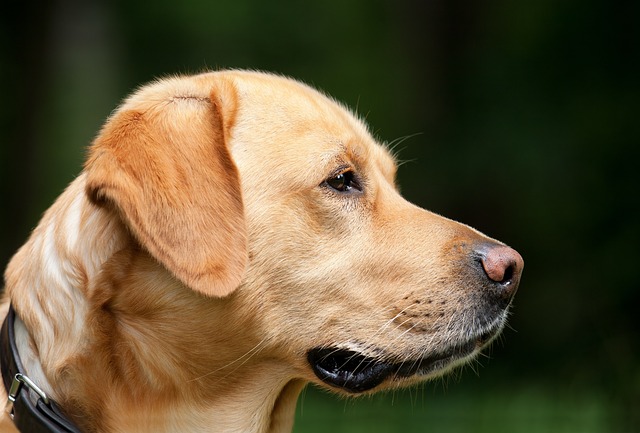
That moment of dread on a walk is all too familiar for many new dog owners. You see another dog approaching down the sidewalk of your neighborhood
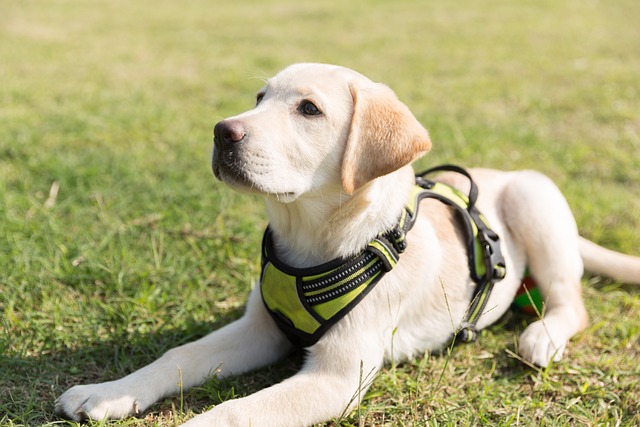
If the sight of another dog on your neighborhood walk makes your heart sink as your own dog erupts into a frenzy of barking and lunging, you're not alone.