
How do i train my dog to be obedient?
Watching your dog dart across the park ignoring your calls isn’t just frustrating—it can put them at risk near busy streets or public spaces.
Ever watch your dog’s nose work overtime on your evening walk and think about putting that powerful sniffer to use? Starting scent work at home is one of the most rewarding and easy-to-begin activities you can do with your dog, and it requires minimal supplies. All you really need is a handful of high-value treats, some small cardboard boxes or muffin tins, and a quiet room. The principle is simple: you’re tapping into your dog’s natural desire to forage and hunt. Their sense of smell is their primary way of interpreting the world, and this game provides crucial mental stimulation that can be just as tiring as a long run. This isn’t about creating a search-and-rescue dog overnight; it’s about building confidence and focus through positive, force-free methods that respect your dog’s natural instincts.
Let’s break it down into your first simple session. Start with the "Find It" game using treats. With your dog in a "stay" or gently held by a family member, let them watch you place a treat under one of three upside-down muffin tin cups or cardboard boxes in your living room. Give an enthusiastic cue like "Search!" and release them. When they find the treat, celebrate with happy praise and let them eat it. This builds the foundational understanding that the cue means to hunt for something rewarding. After a few repetitions, begin increasing the difficulty. Have your dog wait in another room while you hide the treat, then bring them in to search. This shifts from visual cues to purely using their nose. Keep sessions short—under five minutes—and always end on a successful find to keep their motivation high. If your dog seems frustrated, make the hide easier. The goal is to build a positive association, not to challenge them to the point of stress.
Integrating this new hobby into your responsible pet owner lifestyle is straightforward. Scent work is perfect for apartment dwellers; it’s a quiet, contained activity that won’t disturb downstairs neighbors with noise, though you might want to avoid late-night sessions if your dog gets excited and barks during the "find." Remember, while this is a fantastic indoor exercise, it doesn’t replace your legal obligations for outdoor excursions. Before you head out for your regular walk, ensure your dog’s rabies tag and city license are securely attached to their collar, as required by law in most U.S. municipalities. And just as you’re teaching your dog to "find" treats at home, always be prepared to "find" and clean up after their bathroom breaks in public spaces using biodegradable bags. This respectful approach to community spaces and commitment to your dog’s legal compliance makes you a stellar member of the local dog-owning community.
Watching your dog dart across the park ignoring your calls isn’t just frustrating—it can put them at risk near busy streets or public spaces.

New puppy owners often find themselves rushing to clean up accidents before they set in, and that’s where puppy pad training becomes a game-changer.
If you've noticed your dog's waistline disappearing and your veterinarian has mentioned those few extra pounds, your first instinct might be to simply reduce the amount of food in their bowl.

Training a dog to use a designated spot indoors isn’t as daunting as many new owners fear, but it does take consistency and an understanding of your pet’s needs.
That moment of dread on a walk is all too familiar for many new dog owners. You see another dog approaching down the sidewalk of your neighborhood
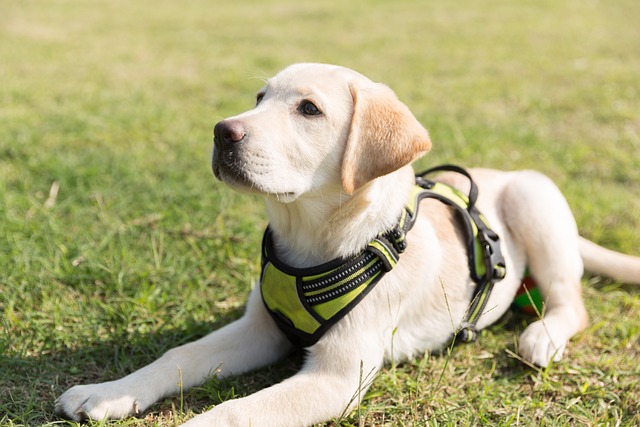
If the sight of another dog on your neighborhood walk makes your heart sink as your own dog erupts into a frenzy of barking and lunging, you're not alone.