

How do i train my dog to be obedient?
Watching your dog dart across the park ignoring your calls isn’t just frustrating—it can put them at risk near busy streets or public spaces.
Bulldogs have a reputation for those strong jaws and an urge to chomp that can turn your favorite shoes or couch corners into casualties. It’s not that they’re being naughty—those powerful bites are part of their nature, rooted in their history as working dogs. But that doesn’t mean you have to live with a house full of chewed-up items. With a little patience and the right approach, you can redirect that chewing instinct into something more manageable.
First, understand why they’re doing it. Puppies chew to soothe teething pain, while adult bulldogs might gnaw out of boredom, anxiety, or just because something smells interesting. If your bulldog starts chewing excessively when left alone, it could be separation anxiety—common in the breed, thanks to their people-pleasing personalities. Figuring out the trigger is half the battle; once you know why they’re chomping, you can address the cause instead of just scolding the behavior.
Give them better options than your furniture. Bulldogs love texture, so stock up on durable toys designed for heavy chewers—think rubber Kongs stuffed with peanut butter (no xylitol, of course) or nylon bones that stand up to their bite. Rotate the toys every few days to keep things interesting; a bored bulldog is a destructive bulldog. When you catch them eyeing your slippers, calmly swap the forbidden item with a toy and praise them when they take it. Positive reinforcement works wonders with this breed—they thrive on making their humans happy.
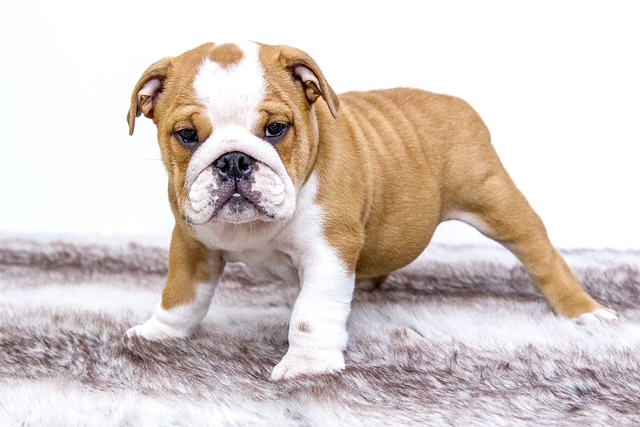 Timing is key, too. Bulldogs aren’t the most energetic dogs, but they still need regular playtime to burn off steam. A short walk or a game of tug-of-war can tire them out, leaving less energy for chewing. If they tend to chew during specific times—like when you’re cooking or on calls—keep them nearby with a puzzle feeder. These toys keep their brains busy, which is just as important as tiring their bodies. It’s also smart to puppy-proof your space: keep shoes, remote controls, and small objects out of reach, especially when you can’t supervise.
Consistency matters more than anything. Bulldogs are stubborn, so mixed signals will confuse them. If you laugh when they chew a old sock but yell when they go for the couch, they won’t understand the difference. Instead, set clear boundaries and stick to them. If chewing happens, interrupt with a firm “no” (no need to shout—they respond better to calm authority) and guide them to their toy. Over time, they’ll learn what’s off-limits. And remember, never punish them after the fact—if you find a chewed shoe hours later, scolding them won’t connect the behavior to the mistake, just make them afraid of you.
It’s worth checking in with your vet if chewing suddenly gets worse. Sometimes, excessive gnawing can signal dental pain, nutritional deficiencies, or even underlying health issues. Your vet can rule out medical causes and might suggest additional strategies, especially if anxiety is a factor. In some areas, training classes that focus on positive reinforcement are recommended for breeds with strong instincts—they not only help with chewing but also ensure your bulldog is well-socialized, which is part of responsible pet ownership in many communities.
At the core, stopping a bulldog from chewing is about respecting their nature while guiding it in the right direction. Those strong jaws were made for something—let them be busy with toys that satisfy their urge, and you’ll both be happier. With time, patience, and plenty of praise, you’ll turn that destructive habit into a healthy, harmless one.
Watching your dog dart across the park ignoring your calls isn’t just frustrating—it can put them at risk near busy streets or public spaces.

New puppy owners often find themselves rushing to clean up accidents before they set in, and that’s where puppy pad training becomes a game-changer.
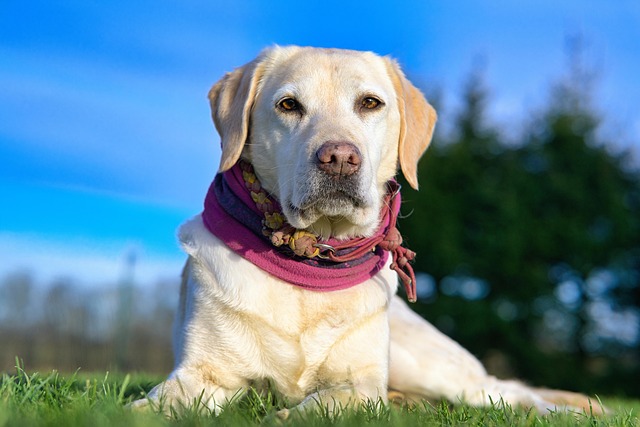
If you've noticed your dog's waistline disappearing and your veterinarian has mentioned those few extra pounds, your first instinct might be to simply reduce the amount of food in their bowl.

Training a dog to use a designated spot indoors isn’t as daunting as many new owners fear, but it does take consistency and an understanding of your pet’s needs.

That moment of dread on a walk is all too familiar for many new dog owners. You see another dog approaching down the sidewalk of your neighborhood
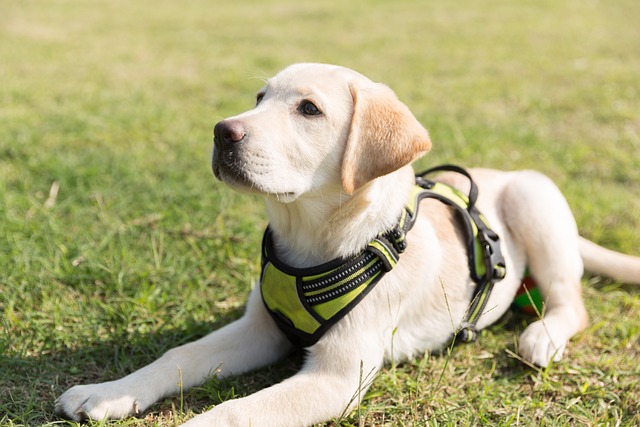
If the sight of another dog on your neighborhood walk makes your heart sink as your own dog erupts into a frenzy of barking and lunging, you're not alone.