
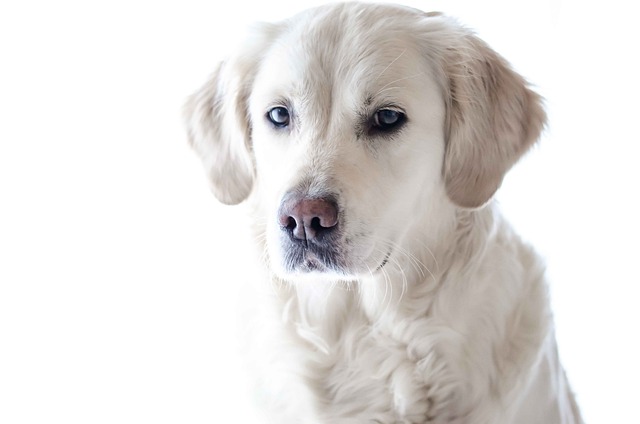
How can I tell if my dog's heatstroke is serious
Let’s be real: It’s a sticky August morning in Los Angeles, and you took your 2-year-old Golden Retriever, Max, for a walk a little later than usual
Dog cowering at the sound of a revving engine or lunging toward passing cars isn’t just stressful—it can turn walks into a battle. Whether it’s a rescue pup with a unknown past or a puppy spooked by a sudden honk, fear of cars often stems from loud noises, fast movements, or past negative experiences. The good news is, with patience and the right steps, you can help them build confidence.
Start small, far from busy streets. Find a quiet sidewalk where cars pass slowly, maybe a residential area with a 20 mph limit. Bring their favorite treats—think freeze-dried chicken or cheese cubes, something they’ll work for. When a car appears, wait for your dog to notice it without panicking, then toss a treat. Repeat this, so they start linking cars to good things, not fear.
Gradually move closer over days or weeks—never rush. If your dog tenses up, backs away, or starts panting heavily, you’ve gone too fast. Step back to a distance where they stay relaxed. A Border Collie might progress quicker than a sensitive Greyhound, so let their comfort set the pace. This slow exposure, called desensitization, works because it rewires their brain to see cars as neutral, not threatening.
 Noise desensitization helps too. Play recordings of car engines, honks, and tires on gravel at a low volume while they eat or play. Slowly turn it up over time, keeping it just loud enough that they notice but don’t react. Pairing the sound with positive activities teaches them it’s nothing to fear.
During walks, use a well-fitted harness instead of a collar to avoid strain if they pull. In places like Paris or New York, where streets stay busy, having control is key—not just for your dog’s comfort, but to follow leash laws that keep everyone safe. A scared dog darting into traffic violates public safety rules in most cities, so training isn’t just about calm—it’s about compliance.
Incorporate counterconditioning: when a car approaches, ask for a simple command like “sit” or “look.” Reward heavily when they obey. This shifts their focus from the car to you, building trust that you’ll keep them safe. A trainer friend once told me about a terrier in London who’d panic at every black cab—after two months of this, he’d sit and wait for treats as they passed.
Never scold a scared dog; it reinforces that cars mean bad things. Stay calm, speak in a steady tone, and end sessions on a positive note, even if it’s just a few minutes. Consistency matters more than speed.
Over time, most dogs learn to tolerate cars, if not ignore them. And remember: a confident dog makes walks enjoyable for both of you, while staying on the right side of local laws.
Let’s be real: It’s a sticky August morning in Los Angeles, and you took your 2-year-old Golden Retriever, Max, for a walk a little later than usual
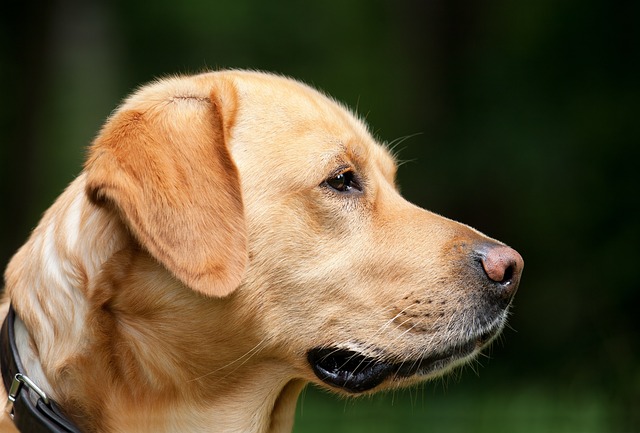
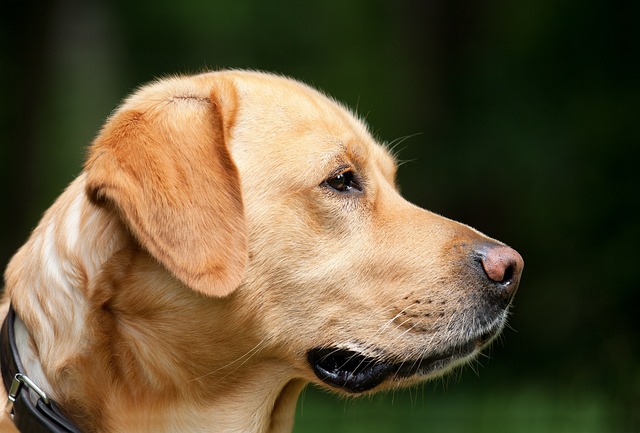
You're enjoying a summer afternoon at the park when you notice your dog has stopped panting and appears disoriented - their gums are bright red
Let’s paint the picture: You’re in your Denver apartment, watching your 4-year-old Boston Terrier, Ruby, plop down mid-play session with her favorite toy

Many dog owners notice their pets nails seem shorter after regular walks,but how much does this daily activity actually help?The answer depends on where you walk—concrete sidewalks or asphalt streets gently file nails as a dog's paws hit the ground
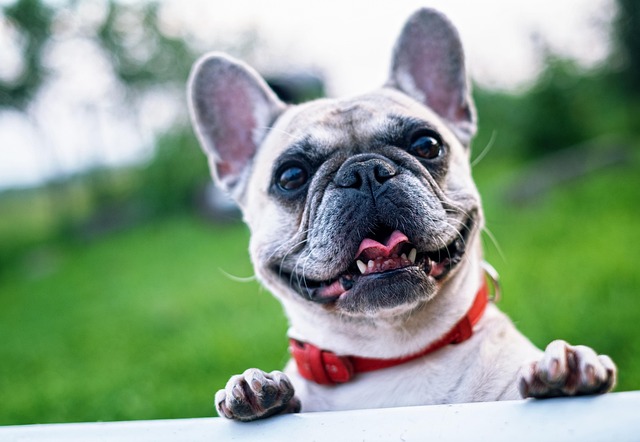
Most dog owners notice their pup scooting across the carpet at some point, but few connect it to impacted anal glands. These small sacs near a dog’s rectum secrete a scent for marking territory
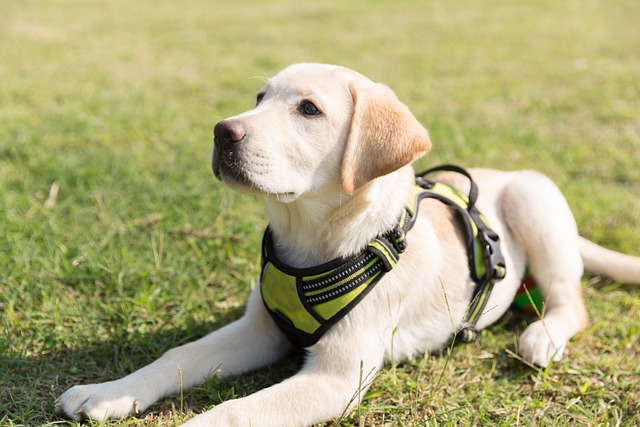
Most vets agree that regular dog teeth cleaning is key to avoiding painful dental issues later. For healthy adult dogs, a professional cleaning at the vet’s office every 12 to 18 months usually works well.