

How do i train my dog to be obedient?
Watching your dog dart across the park ignoring your calls isn’t just frustrating—it can put them at risk near busy streets or public spaces.
Dogs rummaging through the bin isn’t just a messy nuisance—it can turn dangerous fast. That leftover chicken bone from last night’s dinner? A choking hazard. The half-eaten chocolate bar wrapper? Toxic. Beyond the mess, in many parts of Europe and North America, letting your dog get into harmful trash could run afoul of local animal welfare laws. Most regions require pets to be protected from hazards, and a bin-diving habit might even prompt neighbor reports to authorities, flagged as potential neglect.
So why do dogs do this? Their powerful noses detect scents we miss, turning your kitchen bin into an irresistible treasure hunt. Puppies are naturally curious, but even older dogs learn the habit if they’ve scored a tasty snack from the trash before. That’s why consistency matters—rewarding good behavior and redirecting bad habits before they stick.
 Start by making the bin inaccessible. A childproof latch on kitchen cabinets works wonders, or try a heavy-duty bin with a lid tough for paws to pry open. If the bathroom trash is the target, keep the door closed when you’re out. Removing temptation eliminates the chance to reinforce the behavior.
Next, teach an alternative. When your dog eyes the bin, clap gently to get their attention, then toss a favorite toy across the room. Praise them wildly when they go for the toy—positive reinforcement beats scolding. Practice “leave it” with treats: close a fist around one, say “leave it,” and reward with a different treat from your other hand once they stop nudging. Repeat until reliable, then try with trash items like a crumpled napkin to generalize.
Timing and stimulation matter too. Dogs rummage more when bored or hungry. Stick to a regular feeding schedule to avoid hunger-driven raids, and ensure they get plenty of exercise—a tired dog is less likely to hunt for entertainment in the bin. Puzzle toys with kibble keep their minds busy, replacing their trash-hunting mission.
Finally, stay patient. Breaking habits takes time, and setbacks happen. If you come home to a mess, resist yelling—your dog won’t link scolding to earlier behavior. Clean up calmly and check your prevention steps. With consistency and creativity, that trash-diving pup will learn the bin is off-limits. Remember, it’s not just about a clean house—it’s about their safety and staying legal. A little effort saves vet bills, fines, and frustration.
Watching your dog dart across the park ignoring your calls isn’t just frustrating—it can put them at risk near busy streets or public spaces.

New puppy owners often find themselves rushing to clean up accidents before they set in, and that’s where puppy pad training becomes a game-changer.

If you've noticed your dog's waistline disappearing and your veterinarian has mentioned those few extra pounds, your first instinct might be to simply reduce the amount of food in their bowl.

Training a dog to use a designated spot indoors isn’t as daunting as many new owners fear, but it does take consistency and an understanding of your pet’s needs.

That moment of dread on a walk is all too familiar for many new dog owners. You see another dog approaching down the sidewalk of your neighborhood
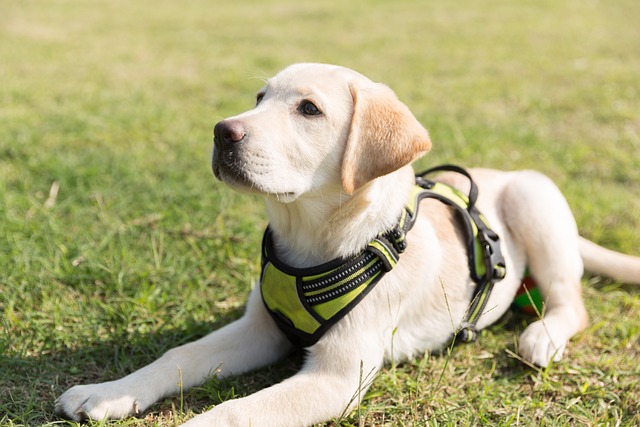
If the sight of another dog on your neighborhood walk makes your heart sink as your own dog erupts into a frenzy of barking and lunging, you're not alone.