

How can I tell if my dog's heatstroke is serious
Let’s be real: It’s a sticky August morning in Los Angeles, and you took your 2-year-old Golden Retriever, Max, for a walk a little later than usual
When a newborn puppy enters the world, its eyes are closed as it curls up beside its mother, its tiny body gently rising and falling with each breath. In that moment, the beauty and fragility of life are on full display. For owners, the joy of welcoming a new life is often accompanied by a touch of anxiety—how can such a delicate creature be nurtured to grow up healthy and strong? Caring for a newborn puppy requires meticulous attention, from environmental temperature to feeding methods, hygiene management to health monitoring. Every detail can impact its survival and long-term well-being.
A newborn puppy relies most on its mother. If the mother dog is healthy and willing to care for her pups, the owner’s intervention can be minimal—simply providing a quiet, comfortable environment and adequate nutrition is enough. However, if the mother is absent, produces insufficient milk, or rejects the litter, the owner must step in as a "surrogate parent." The top priority is keeping the puppy warm, as newborns cannot regulate their body temperature. The environment must be maintained at 29–32°C (84–90°F), especially during the first week. Heating pads, warm water bottles, or pet-safe heat lamps can be used, but direct contact must be avoided to prevent burns. Additionally, moderate humidity should be maintained to prevent dehydration.
Feeding is one of the most critical aspects of newborn puppy care. Mother’s milk is ideal, as it provides not only nutrition but also antibodies that help build the puppy’s early immunity. If the mother cannot nurse, specialized puppy formula milk must be used—never cow’s milk or human infant formula, as their composition is unsuitable for dogs and may cause diarrhea or severe digestive issues. Feeding should be done with a pet-specific bottle or syringe to ensure a controlled flow and avoid choking. Newborns need to be fed every 2–3 hours, including overnight. After each feeding, gently stimulate the puppy’s genital and anal area with a warm, damp cotton ball to mimic the mother’s licking, encouraging elimination until the puppy can do so independently.
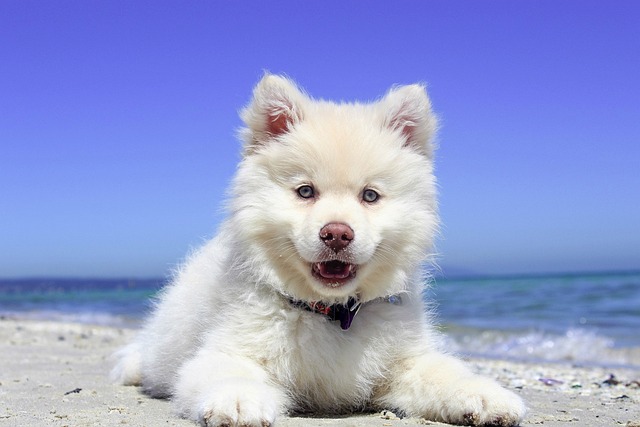
Hygiene is equally crucial. A newborn’s immune system is underdeveloped, making it highly susceptible to infections. The living area must be kept clean and dry, with bedding changed regularly to prevent bacterial growth. Always wash hands thoroughly before handling the puppy, and if there are other pets in the house, temporary isolation is advisable to avoid cross-contamination. The umbilical cord stump will dry and fall off within days, but it should be checked daily for redness or discharge, with gentle iodine disinfection if needed. If there is eye or nasal discharge, wipe it away carefully with saline-soaked cotton—never force open a puppy’s eyes, as they naturally open between 10–14 days, and premature interference may cause harm.
Health monitoring is key to preventing potential issues. Newborns cannot express discomfort, so owners must observe subtle signs. A healthy puppy should have a plump "otter-like" belly, good skin elasticity, strong vocalizations, and an active search for milk. If a puppy shows slow weight gain, weak cries, limp limbs, or a sunken abdomen, it may indicate malnutrition or illness, requiring immediate veterinary attention. Hypothermia, persistent diarrhea, or labored breathing are emergencies that cannot wait. Even if everything seems normal, a vet check within the first week is recommended to rule out congenital issues.
As the puppy grows, its needs evolve. Around three weeks, it will begin crawling and exploring, so introducing soft toys and low barriers helps safely develop muscles and coordination. By four weeks, baby teeth emerge, and a gradual transition to semi-solid weaning food can begin—though hard or hard-to-digest foods should still be avoided. Early socialization is also essential: gentle sounds, touches, and exposure to varied textures help the puppy adapt to stimuli, laying the foundation for a well-adjusted temperament.
Raising a newborn puppy is a challenging yet deeply rewarding task. Like a tender sprout, it requires just the right balance of warmth, nourishment, and care—too much or too little can hinder its growth. The exhaustion of late-night feedings, the nervousness of cradling its fragile body, and the wonder of seeing its eyes open for the first time will become treasured memories. The miracle of life lies not in its strength but in its resilience—even at its most vulnerable, it can thrive with love and dedication. Watching it progress from wobbly steps to playful runs, from bottle dependence to chewing toys on its own, you’ll realize every effort was worth it. Because in this journey, you’ve not only given it a chance to survive but also the ability to experience the world.
Let’s be real: It’s a sticky August morning in Los Angeles, and you took your 2-year-old Golden Retriever, Max, for a walk a little later than usual
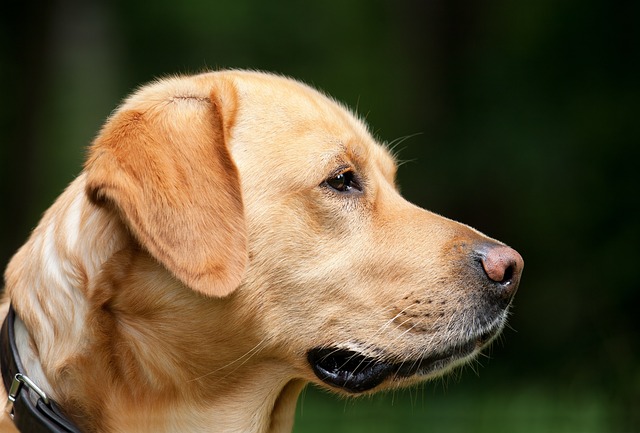
You're enjoying a summer afternoon at the park when you notice your dog has stopped panting and appears disoriented - their gums are bright red
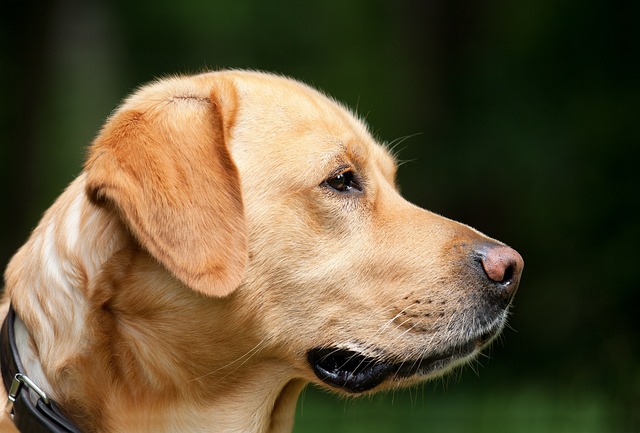
Let’s paint the picture: You’re in your Denver apartment, watching your 4-year-old Boston Terrier, Ruby, plop down mid-play session with her favorite toy

Many dog owners notice their pets nails seem shorter after regular walks,but how much does this daily activity actually help?The answer depends on where you walk—concrete sidewalks or asphalt streets gently file nails as a dog's paws hit the ground
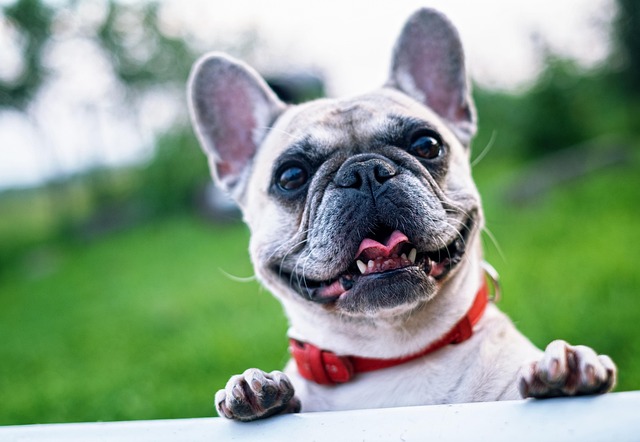
Most dog owners notice their pup scooting across the carpet at some point, but few connect it to impacted anal glands. These small sacs near a dog’s rectum secrete a scent for marking territory
Most vets agree that regular dog teeth cleaning is key to avoiding painful dental issues later. For healthy adult dogs, a professional cleaning at the vet’s office every 12 to 18 months usually works well.