
How do i train my dog to be obedient?
Watching your dog dart across the park ignoring your calls isn’t just frustrating—it can put them at risk near busy streets or public spaces.
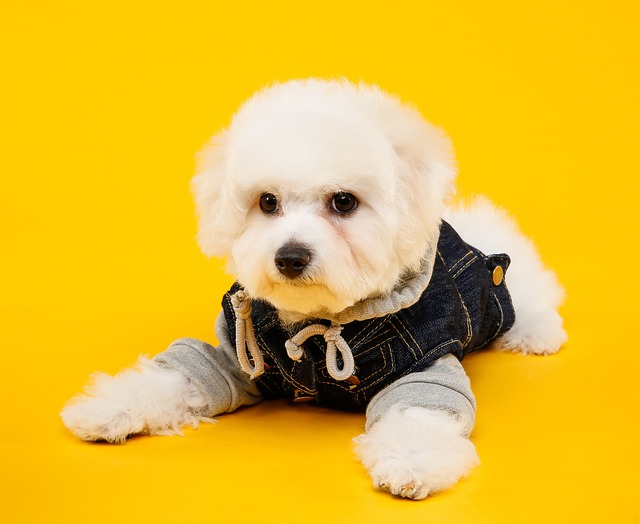
There’s nothing quite as heartwarming as watching your Bichon Frisé press their paws together in the sweet "Gong Xi Fa Cai" gesture—a playful pose that combines their natural charm with a dash of festive flair. Whether for holiday photos or simply bonding, this trick is all about patience, positivity, and letting their eager-to-please nature shine. Let’s break down the process into simple, joyful steps that keep training fun for both of you.
Start by embracing their fluffy, affectionate personality. Bichons thrive on short, upbeat sessions filled with tiny treats (think freeze-dried chicken or liver bits) and lots of praise. My Bichon, Luna, picked up this trick during a rainy afternoon when we needed indoor fun—she loved the game-like energy, and so will yours.
Begin with paw targeting to build foundation. Close a treat in your fist and hold it at chest height. When they nudge it with a paw, say "Yes!" and reward. Repeat until they offer a paw automatically—this teaches them to connect their movement to your cue. If your pup hesitates, kneel to their level and use a soft voice to keep pressure low; Bichons can be sensitive to tense vibes.
Next, guide them into the "pray" pose. Hold a treat in front of their nose and move it up in a gentle arc. As their head tilts back, their front paws will naturally lift—catch the moment both paws come together near their chest, even briefly, and mark it with a clear cue like "Gong Xi!" or "Pray." Reward instantly, but never force their paws together—let them find the position on their own to avoid discomfort. Luna sometimes tried to jump for the treat, so I adjusted by holding it slightly lower to encourage calm balance.
 Use shaping to refine the gesture, rewarding small steps: first a single paw lift, then both paws off the ground, then touching, and finally holding for a second. A clicker can help mark exact moments of success, but enthusiastic praise works too. Practice after a short walk to burn off excess energy so they’re focused but relaxed. Notice their quirks—Luna’s fluffy fur sometimes blocked her view, so I angled the treat to the side for better visibility.
Once they’re confident, add duration and distractions. Ask them to hold the pose for 2-3 seconds before rewarding, using a cheerful "Hold it!" As they master that, introduce gentle distractions like a soft clap or a quiet toy rustle. Involve family members, ensuring everyone uses the same cue to keep things consistent—Luna once got confused when someone used "High five!" instead, so clarity is key.
Keep the cultural focus universal and respectful. While the gesture originates in Lunar New Year traditions, frame it as a joyful, inclusive trick for any occasion. Prioritize their comfort above all: if they seem stressed (tail tucked, turning away), take a break and revisit easier steps. In regions with strict animal welfare laws like the EU, this reward-based approach isn’t just kind—it’s compliant with regulations against stressful training.
Incorporate the trick into daily life to strengthen your bond. Ask for "Gong Xi" before meals, during play, or when guests arrive. Luna now does it automatically when she sees her treat jar, a sweet reminder that training deepens trust and teamwork. Laugh at the wobbles and celebrate every tiny win—Bichons thrive on the love and attention you pour into these moments.
Teaching this gesture is more than a party trick; it’s a shared journey of patience and joy. Every time their paws press together, it’s a sign they’re engaged, happy, and eager to connect with you. Stay consistent, keep sessions short, and let their natural enthusiasm lead. Soon enough, your fluffy companion will be melting hearts with their adorable pose, a perfect blend of cuteness and the special bond you’ve built. After all, the best part of pet parenting is turning simple tricks into lasting memories—one paw lift at a time.
Watching your dog dart across the park ignoring your calls isn’t just frustrating—it can put them at risk near busy streets or public spaces.
New puppy owners often find themselves rushing to clean up accidents before they set in, and that’s where puppy pad training becomes a game-changer.
If you've noticed your dog's waistline disappearing and your veterinarian has mentioned those few extra pounds, your first instinct might be to simply reduce the amount of food in their bowl.
Training a dog to use a designated spot indoors isn’t as daunting as many new owners fear, but it does take consistency and an understanding of your pet’s needs.
That moment of dread on a walk is all too familiar for many new dog owners. You see another dog approaching down the sidewalk of your neighborhood
If the sight of another dog on your neighborhood walk makes your heart sink as your own dog erupts into a frenzy of barking and lunging, you're not alone.