
How do i train my dog to be obedient?
Watching your dog dart across the park ignoring your calls isn’t just frustrating—it can put them at risk near busy streets or public spaces.
Picture your 12-week-old Golden Retriever, Cooper, proudly trotting toward you with your favorite wireless earbud glistening in his mouth. Your stomach drops – those cost more than his fancy bed! Snatching them risks a game of tug-of-war or worse, a swallowed hazard. This frantic moment is exactly why teaching "drop it" is a puppy parenting essential. Forget wrestling matches; we’ll use positive reinforcement to make releasing treasures feel like winning the jackpot.
Here’s the science-backed playbook: Puppies explore the world mouth-first, and grabbing objects is natural. "Drop it" teaches impulse control by making letting go more rewarding than keeping. Start during calm playtime indoors. Offer Cooper a boring, puppy-safe toy (like a rubber teether). Let him chomp for 5 seconds, then hold a high-value treat (boiled chicken works wonders) near his nose and say "Drop it" in a cheerful tone. When he releases the toy to get the treat, immediately reward him and return the toy after 1-2 seconds. Returning the toy is crucial – it teaches him "drop it" isn’t a trick to end fun forever. Practice 5-10 times daily, gradually using higher-value items. Real-world test: Toss a treat on your apartment floor, let him grab it, then cue "drop it" and swap it for chicken. Celebrate like he just aced his SATs!
Critical compliance alert: Never chase, yell, or pry items from your puppy’s mouth. This turns retrieval into a dangerous game and violates force-free training standards mandated across US/EU animal welfare laws. If Cooper grabs something hazardous (like medication), use your "emergency trade": shake a treat container loudly to distract him, then offer irresistible boiled liver before saying "drop it."
Apartment dwellers, take note: A puppy who drops items on cue prevents chaos in shared spaces. Imagine Cooper grabbing a neighbor’s grocery bag in your building lobby – cue "drop it" before teeth puncture the avocados! Always carry biodegradable poop bags (legally required in all 50 states; fines hit $300+ in cities like Chicago) and ensure Cooper’s first rabies vaccine is current before public outings (non-negotiable US law). Use the command proactively during walks if he sniffs discarded food. If he grabs another dog’s leash at the community dog run, calmly trade for a treat instead of yanking – this models good etiquette.
Stuck? Regress to easier items for a week. If progress stalls at 5 months, consult a certified puppy trainer – some breeds need tailored motivation. Remember: This command isn’t just convenient; it could save your pup from intestinal surgery. With patience and premium treats, you’ll transform those heart-stopping grabs into joyful cooperation.
Watching your dog dart across the park ignoring your calls isn’t just frustrating—it can put them at risk near busy streets or public spaces.
New puppy owners often find themselves rushing to clean up accidents before they set in, and that’s where puppy pad training becomes a game-changer.
If you've noticed your dog's waistline disappearing and your veterinarian has mentioned those few extra pounds, your first instinct might be to simply reduce the amount of food in their bowl.

Training a dog to use a designated spot indoors isn’t as daunting as many new owners fear, but it does take consistency and an understanding of your pet’s needs.
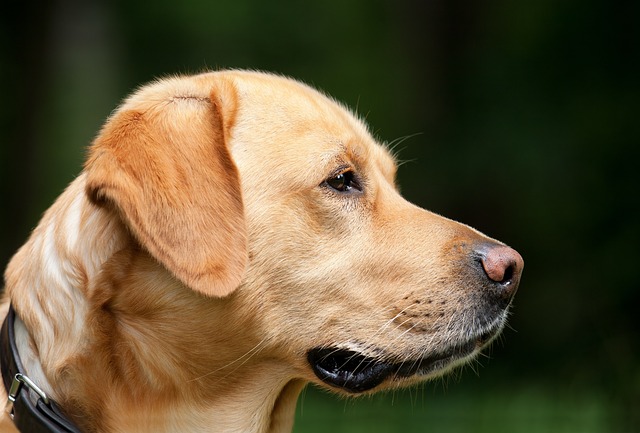
That moment of dread on a walk is all too familiar for many new dog owners. You see another dog approaching down the sidewalk of your neighborhood
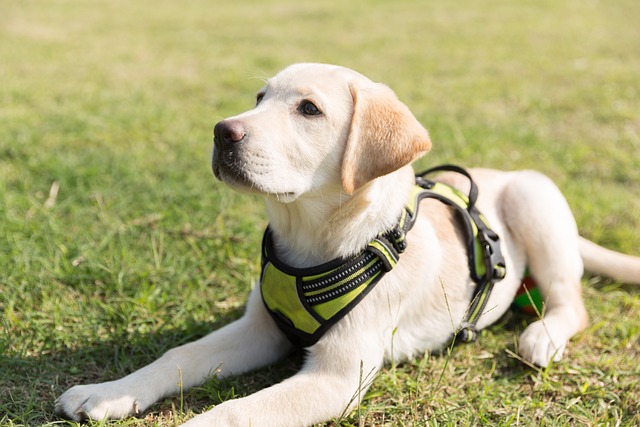
If the sight of another dog on your neighborhood walk makes your heart sink as your own dog erupts into a frenzy of barking and lunging, you're not alone.