
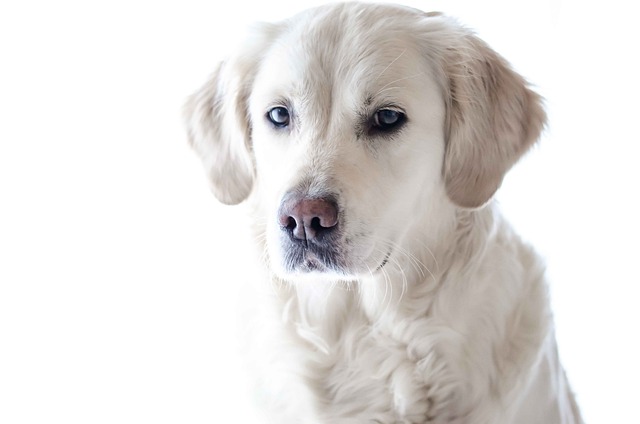
How can I tell if my dog's heatstroke is serious
Let’s be real: It’s a sticky August morning in Los Angeles, and you took your 2-year-old Golden Retriever, Max, for a walk a little later than usual
You know that subtle clicking sound when Buddy trots across your hardwood floor? That's often the first clue his claws might be overdue for attention. But here's the thing - proper claw care isn't just about aesthetics or saving your floors from scratches. Those claws directly impact how your dog distributes weight, potentially causing joint strain if they're too long. Think about how uncomfortable you'd feel walking in shoes three sizes too big all day.
While many owners check for claws touching the ground, the real signs are more nuanced. Sure, if you hear constant tapping on pavement or see visible curling, it's time. But watch for subtle shifts - does Bella hesitate before jumping onto the couch now? Maybe she's repositioning her paws to avoid pressure on overgrown quicks. That slight hesitation speaks louder than any measurement.
Behavioral changes are your dog's way of waving red flags. Notice Rex suddenly licking his paws obsessively during Netflix time? Or perhaps he's doing that odd bunny-hop run at the dog park. These aren't just quirks - long claws force unnatural foot angles, making every step feel like walking on marbles. Some dogs even develop a head-bobbing gait as they compensate for the discomfort.
Don't ignore the physical evidence beyond length. Check for cracks along the claw surface - those fissures trap bacteria like tiny caves. Feel how warm his paw pads get after walks? Inflammation often starts when claws push toes sideways. And if you spot him favoring carpeted areas over tile, that's not preference - it's pain avoidance from claws hitting hard surfaces.
Testing is simple: have Buddy stand naturally on a flat surface. If any claw isn't floating just above the floor, grab your guillotine-style clippers. Angle them at 45 degrees away from the quick, taking paper-thin slices. See a pale oval in the center? Stop immediately - that's the quick approaching. Terrified of nicking it? Try the "weekly graze" method: tiny trims every Saturday morning with high-value chicken rewards create positive associations.
Remember those leash laws in your apartment complex? They connect directly to claw care. Dogs walked primarily on concrete naturally wear down nails, while indoor pups need more frequent trims. And about that positive reinforcement rule - never scold nail-trimming resistance. Instead, make Paw Handling 101 part of daily cuddles: gently touch paws while giving treats to desensitize.
Integrate claw checks into your monthly health routine alongside flea prevention and teeth brushing. Schedule trims two days after baths when claws are softer. Notice seasonal patterns too - winter's dry air makes claws brittle, requiring more frequent attention than summer months. Your local Petco's grooming counter offers quick walk-in services if you're uncertain, especially for dark-colored claws where the quick is invisible.
Ultimately, those claws are biological marvels - they contain nerve endings and blood vessels, not just keratin. Keeping them properly maintained prevents cascading issues from slipped tendons to spinal misalignment. When you hear that satisfying snip during your monthly session, you're not just avoiding scratched floors. You're ensuring every walk, every jump, every stretch feels as nature intended.
Let’s be real: It’s a sticky August morning in Los Angeles, and you took your 2-year-old Golden Retriever, Max, for a walk a little later than usual
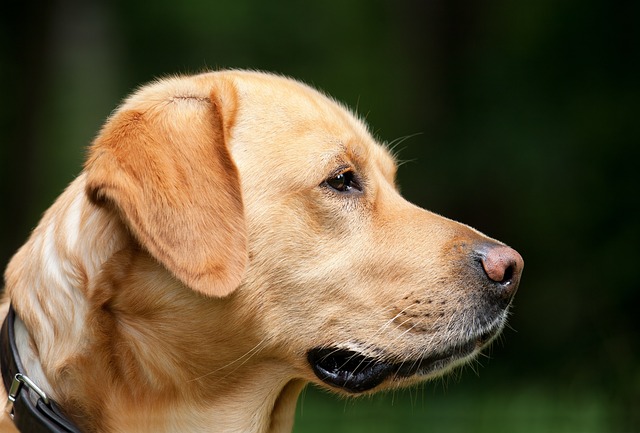
You're enjoying a summer afternoon at the park when you notice your dog has stopped panting and appears disoriented - their gums are bright red
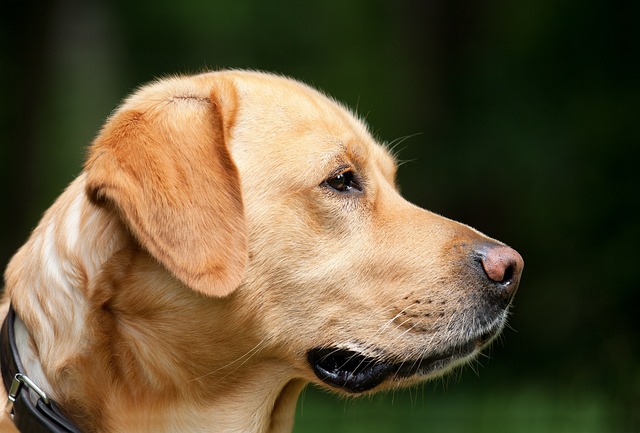
Let’s paint the picture: You’re in your Denver apartment, watching your 4-year-old Boston Terrier, Ruby, plop down mid-play session with her favorite toy

Many dog owners notice their pets nails seem shorter after regular walks,but how much does this daily activity actually help?The answer depends on where you walk—concrete sidewalks or asphalt streets gently file nails as a dog's paws hit the ground
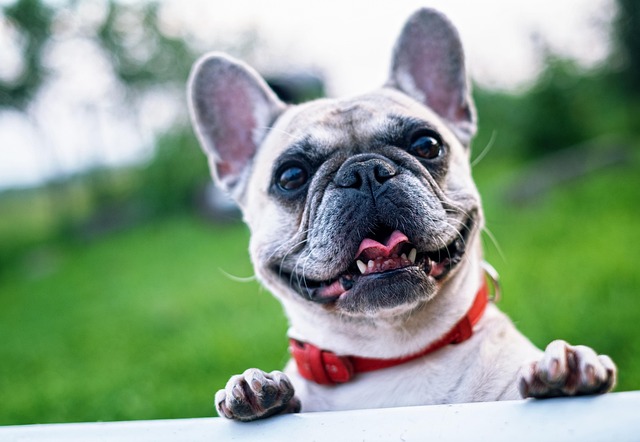
Most dog owners notice their pup scooting across the carpet at some point, but few connect it to impacted anal glands. These small sacs near a dog’s rectum secrete a scent for marking territory
Most vets agree that regular dog teeth cleaning is key to avoiding painful dental issues later. For healthy adult dogs, a professional cleaning at the vet’s office every 12 to 18 months usually works well.