
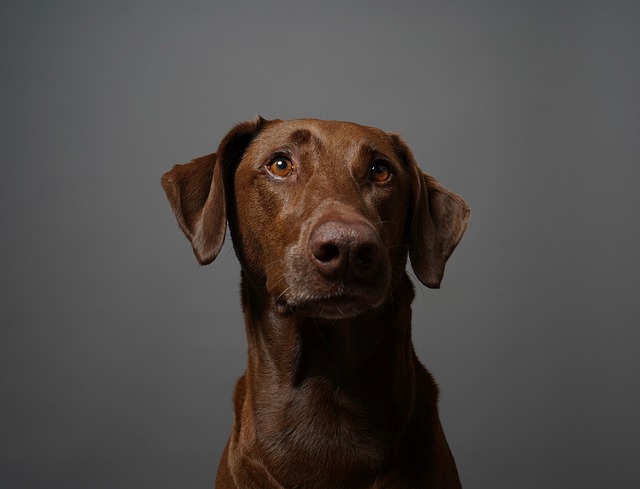
What is glaucoma in a dog?
You might notice your dog squinting more at mealtime or avoiding bright sunlight—these small changes could be early signs of a serious eye condition.
Hip dysplasia is a condition that every German Shepherd owner should be aware of. It occurs when the ball and socket of the hip joint don’t fit together properly, leading to wear and tear over time. German Shepherds are particularly prone to this issue due to their genetics and physical structure, making early detection critical for managing their quality of life. While the condition can develop at any age, catching it early can make a world of difference in treatment outcomes and your dog’s comfort.
Most people recognize hip dysplasia by obvious symptoms like severe limping or difficulty standing, but early signs are often more subtle and easy to miss. These early indicators may not scream “hip dysplasia,” but they’re crucial to address before the condition progresses too far. Pet owners in the U.S. often overlook subtle changes in behavior or movement, especially if they’re new to owning a German Shepherd. However, recognizing these early signs can help you take steps to slow its progression and ease your dog's discomfort.
Behavioral changes are one of the first clues to watch for. Has your German Shepherd started showing reluctance to jump onto furniture, into the car, or even over small obstacles? Are they hesitating more during play or avoiding activities that used to excite them, like running or chasing a ball? These behaviors might seem minor, but they could indicate discomfort in the hips. Additionally, you may notice a change in their gait, such as a “bunny hop” motion where both back legs move together instead of independently. While these signs might not be alarming at first glance, they should prompt closer observation.
Physical signs are another important category to monitor. At home, you can gently observe your dog for any signs of limping, even if it’s slight. Pay attention to stiffness, especially after periods of rest or sleep, which can be an early symptom of hip dysplasia. Muscle loss around the hips or thighs is another indicator, as dogs with hip problems may compensate by using other muscles more heavily. A gentle home examination can involve running your hands along your dog’s hip area to feel for any sensitivity or resistance. Always keep this process light and non-invasive; you don’t want to cause discomfort or stress.
If you notice any of these signs, it’s time to consult your veterinarian. Early detection often involves a combination of physical exams, X-rays, and possibly other imaging techniques to confirm the condition. The sooner you bring your concerns to a vet, the better the chances of effectively managing the problem. Early intervention might include weight management, specialized diets, physical therapy, or even medications that reduce inflammation. In severe cases, surgical options may be discussed, but addressing the condition early often means avoiding more invasive treatments.
Managing hip dysplasia starts with making adjustments to your dog’s lifestyle. Exercise is important, but high-impact activities like jumping and running should be minimized to prevent further damage. Swimming is a fantastic low-impact alternative that allows your dog to stay active without straining their joints. Additionally, keeping your German Shepherd at a healthy weight is crucial; extra pounds put more pressure on already vulnerable hips. Diets rich in omega-3 fatty acids and joint supplements like glucosamine can also provide some relief. Always consult your vet before introducing new treatments or supplements to ensure they’re appropriate for your dog’s specific needs.
As a German Shepherd owner, it’s empowering to know that you can make a real difference in your dog’s health by observing and acting on early signs of hip dysplasia. Subtle changes like altered behavior or slight stiffness shouldn’t be ignored—they’re your dog’s way of communicating that something’s not right. By staying proactive and seeking veterinary advice promptly, you’re giving your German Shepherd the best chance at a happy, comfortable life. Early detection isn’t just about medical intervention—it’s about ensuring the bond you share with your dog remains strong and filled with joy for years to come.
You might notice your dog squinting more at mealtime or avoiding bright sunlight—these small changes could be early signs of a serious eye condition.
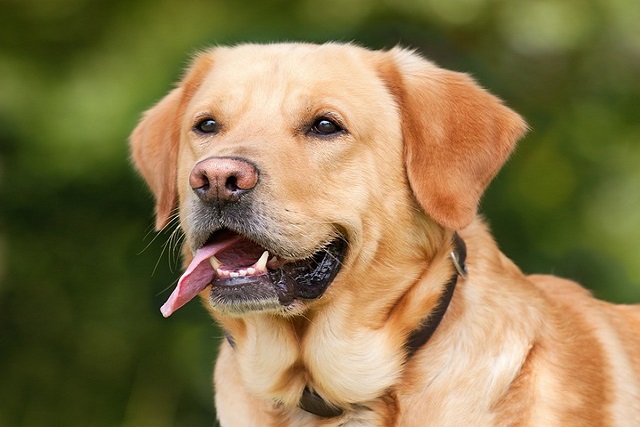
Let’s set the scene: It’s a sweltering Phoenix afternoon—105°F outside—and you rushed your 2-year-old Lab mix, Cooper, on a quick walk to “get it over with.”
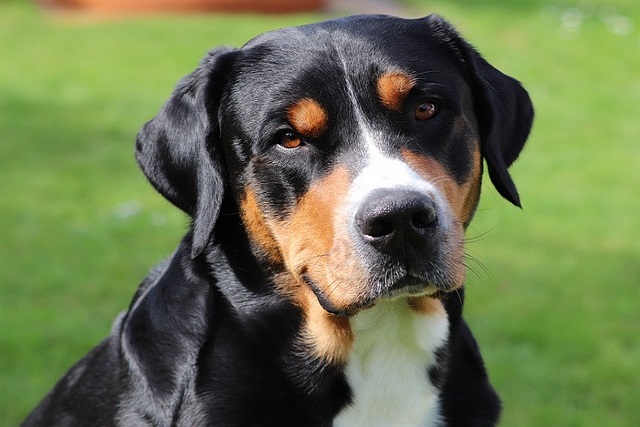
Let’s get real: You’re in your Miami apartment, watching your 3-year-old Corgi, Loki, struggle to climb the stairs to your second-floor unit.
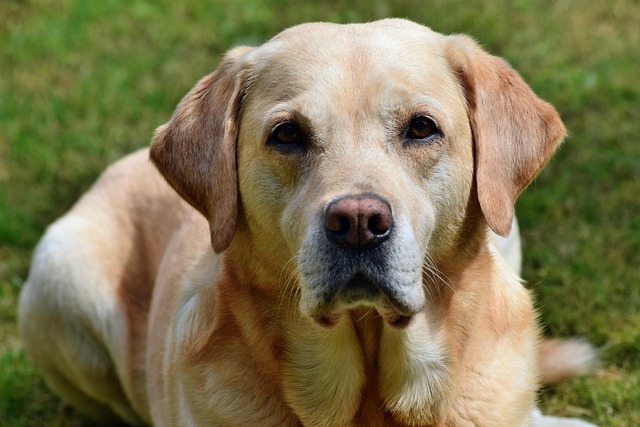
Many dog owners brush off occasional scratching as just “dog behavior,” but persistent itching often signals something more—like a food allergy.
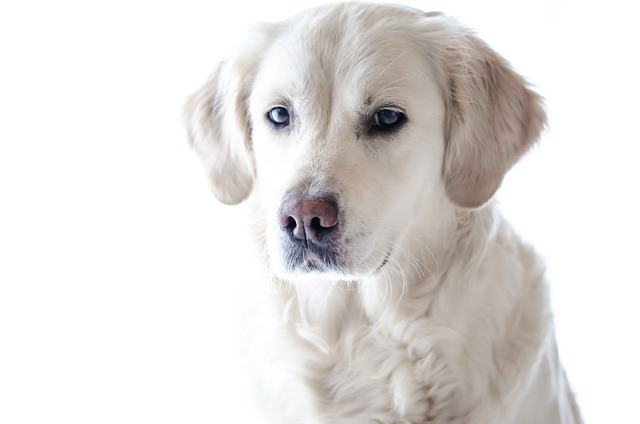
You might first notice your dog scratching more than usual—chewing at their paws until the fur looks thin, or rubbing their face against the couch nonstop.
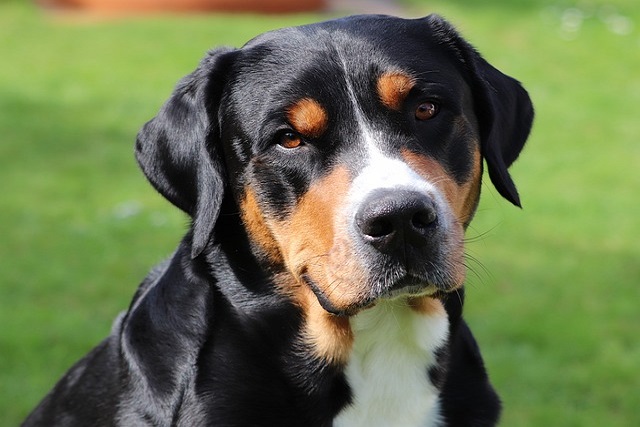
Let’s be real: You’re standing in your Chicago apartment, watching your 3-year-old Beagle, Max, huff and puff just to climb onto the couch.