

How can I tell if my dog's heatstroke is serious
Let’s be real: It’s a sticky August morning in Los Angeles, and you took your 2-year-old Golden Retriever, Max, for a walk a little later than usual
Rainy days or tight schedules shouldn't mean your dog misses out on playtime. Keeping them active indoors isn't just about burning energy—it's crucial for their mental health, especially in regions with strict noise ordinances and leash laws. Let's dive into creative ways to tire out your furry friend without stepping outside.
Start with scent games. Hide small treats or toys around the house, encouraging your dog to use their natural hunting instincts. You can even level up the challenge by hiding items in different rooms or behind furniture. Just be mindful of choking hazards and ensure any treats are safe for your dog's diet, especially with local regulations on pet food labeling.
Interactive toys are a game-changer. Puzzle feeders turn mealtime into a mental workout, forcing your dog to figure out how to access their food. Kongs filled with peanut butter or yogurt can keep them occupied for hours. Remember, durable toys are key—flimsy ones might end up as a chewing hazard, which could violate local pet safety laws if ingested.
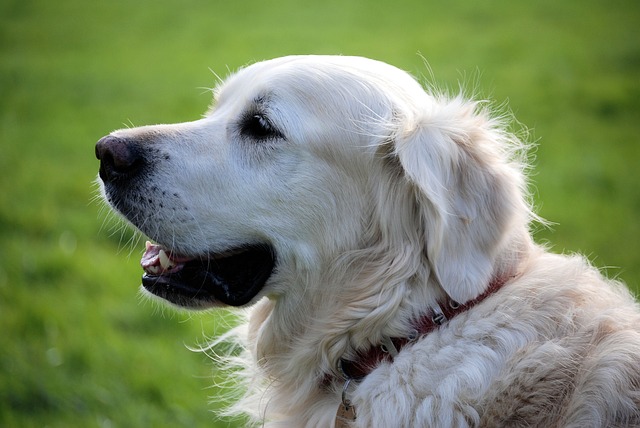
Dance parties aren't just for humans! Put on some upbeat music and teach your dog simple tricks like spins, high-fives, or jumps. Short training sessions not only tire them out but also strengthen your bond. Keep sessions under 10 minutes to avoid overwhelming your dog, respecting their natural attention span.
DIY agility courses are a hit. Use pillows, broomsticks, and hula hoops to create an obstacle course in your living room. Guide your dog through jumps, tunnels, and weave poles. This activity mimics outdoor exercise while keeping them engaged. Just make sure the course is stable and won't cause any accidents, adhering to local home safety guidelines.
Don't forget about tug-of-war. It's a classic that releases pent-up energy. Use a sturdy rope toy and establish rules—let your dog win occasionally to keep it fun. However, avoid overly rough play in apartments to prevent noise complaints, which could lead to violations of local nuisance laws.
Lastly, engage their mind with training. Teach new commands like "roll over" or "fetch your leash." Mental stimulation tires dogs out just as much as physical activity. Positive reinforcement with treats or praise works wonders, but always check local regulations regarding treat ingredients and training methods.
By incorporating these indoor activities, you can keep your dog happy, healthy, and well-behaved—even when the great outdoors isn't an option. Just remember to adapt each activity to your dog's age, breed, and energy level, ensuring a safe and enjoyable experience for both of you.
Let’s be real: It’s a sticky August morning in Los Angeles, and you took your 2-year-old Golden Retriever, Max, for a walk a little later than usual

You're enjoying a summer afternoon at the park when you notice your dog has stopped panting and appears disoriented - their gums are bright red

Let’s paint the picture: You’re in your Denver apartment, watching your 4-year-old Boston Terrier, Ruby, plop down mid-play session with her favorite toy

Many dog owners notice their pets nails seem shorter after regular walks,but how much does this daily activity actually help?The answer depends on where you walk—concrete sidewalks or asphalt streets gently file nails as a dog's paws hit the ground
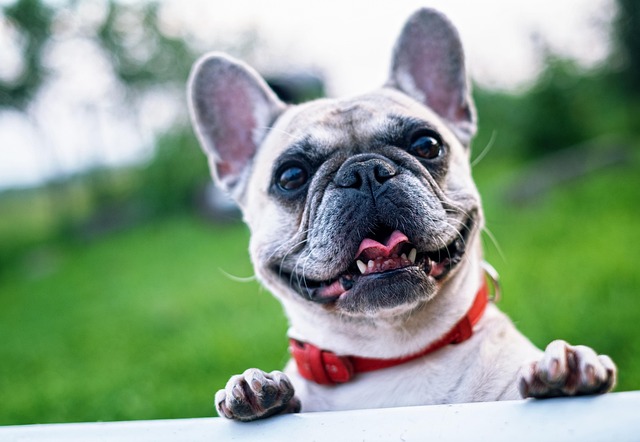
Most dog owners notice their pup scooting across the carpet at some point, but few connect it to impacted anal glands. These small sacs near a dog’s rectum secrete a scent for marking territory
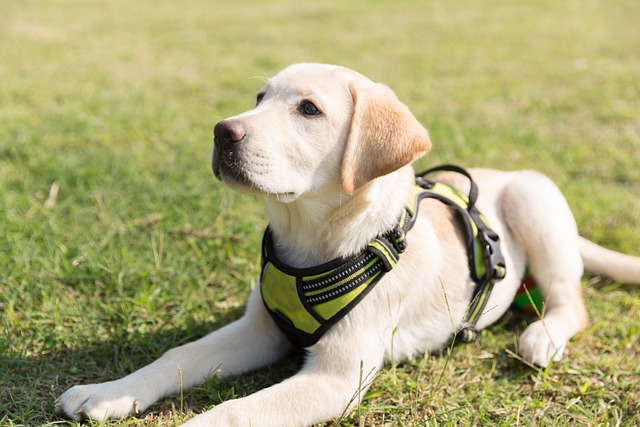
Most vets agree that regular dog teeth cleaning is key to avoiding painful dental issues later. For healthy adult dogs, a professional cleaning at the vet’s office every 12 to 18 months usually works well.