
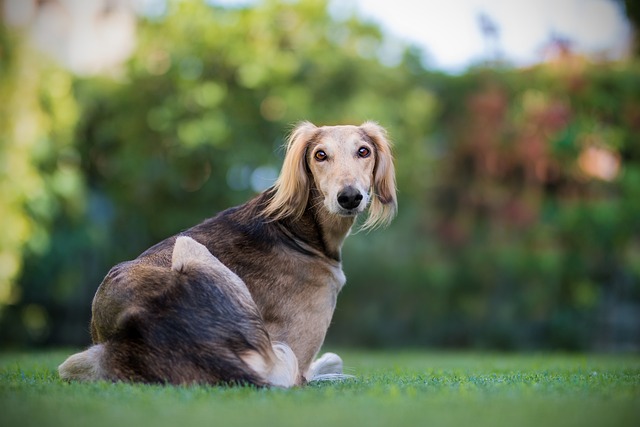
How do i train my dog to be obedient?
Watching your dog dart across the park ignoring your calls isn’t just frustrating—it can put them at risk near busy streets or public spaces.
Belgian Malinois are remarkable working dogs, driven by intelligence, loyalty, and a natural urge to protect their family. Training them for protection requires more than teaching commands—it’s about nurturing their instincts while ensuring safety, both for your pup and those around them. Let’s explore how to build a balanced, responsible protection dog without compromising their gentle nature.
Start with foundational obedience before protection work. Malinois thrive on structure, so master basics like “sit,” “stay,” “come,” and “leave it” first. Use positive reinforcement—treats, praise, and play—to build focus and trust. A dog that listens to you in calm moments is more likely to obey under stress, which is crucial for controlled protection behavior.
Socialization is non-negotiable from puppyhood. Expose your Malinois to diverse people, sounds, and environments—kids, seniors, traffic, other animals. Positive interactions teach them to distinguish between real threats and everyday situations. Avoid overprotecting them; instead, let them observe and adapt, so they learn to trust their instincts and your guidance.
Protection training begins with “alert” and “hold” commands, but always with a focus on control. Teach them to bark on command (for deterrence) and stop when told. Use a trained helper in protective gear for mock scenarios, rewarding your dog for calm, directed attention. Never encourage aggression toward innocent people—their job is to protect, not attack without reason.
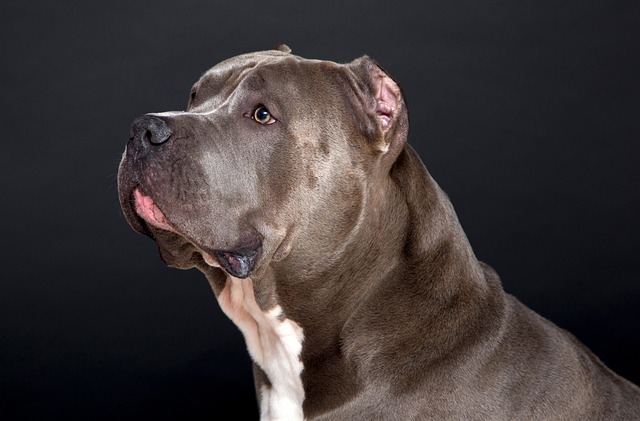 In the U.S. and EU, legal compliance is key. Ensure your dog is registered appropriately (if required for working breeds) and always leashed in public unless in a controlled environment. Liability insurance is wise, as even well-trained dogs can face unexpected situations. Remember: a good protection dog defends only when necessary, not out of fear or frustration.
Avoid common mistakes like punishment-based training. Malinois are sensitive; yelling or physical corrections break trust and can lead to reactive behavior. Instead, redirect unwanted energy into constructive tasks—agility, obedience drills, or puzzle toys. A tired, mentally stimulated Malinois is less likely to overreact to perceived threats.
Teach the “release” command early and practice it relentlessly. Whether holding a bite sleeve or alerting to a stranger, your dog must stop instantly on cue. This prevents escalation and keeps their protective instincts in check. Pair it with praise and rewards to show they’re doing exactly what you need.
Living with a protection-trained Malinois means balancing their work drive with downtime. They need regular exercise and mental challenges to stay happy, but also quiet moments to bond with your family. Never treat them as a “security tool”—their loyalty comes from being a valued member of the household, not just a working partner.
If you’re new to protection training, consult a certified professional with experience in working breeds. They’ll help you navigate body language, timing, and legal nuances, ensuring your Malinois develops confidence without crossing into aggression. In many countries, unregulated protection training can lead to legal consequences, so prioritizing expertise is non-negotiable.
Ultimately, the goal is a dog that protects your home calmly, responds to your every cue, and remains gentle with loved ones. It takes patience, consistency, and a deep understanding of their needs. Celebrate small wins—each successful “alert” or controlled response builds trust and hones their natural skills.
Training a Belgian Malinois for protection is a partnership built on respect. You’re not just shaping a guardian; you’re nurturing a loyal companion who sees your safety as their purpose. With the right approach, they’ll thrive as both a devoted family member and a reliable protector—balanced, confident, and always ready to serve.
Watching your dog dart across the park ignoring your calls isn’t just frustrating—it can put them at risk near busy streets or public spaces.
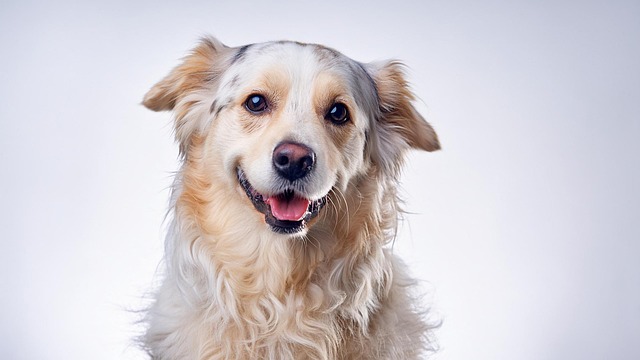
New puppy owners often find themselves rushing to clean up accidents before they set in, and that’s where puppy pad training becomes a game-changer.
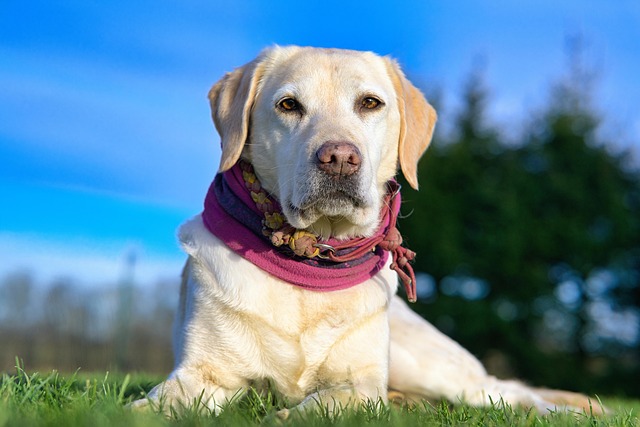
If you've noticed your dog's waistline disappearing and your veterinarian has mentioned those few extra pounds, your first instinct might be to simply reduce the amount of food in their bowl.

Training a dog to use a designated spot indoors isn’t as daunting as many new owners fear, but it does take consistency and an understanding of your pet’s needs.
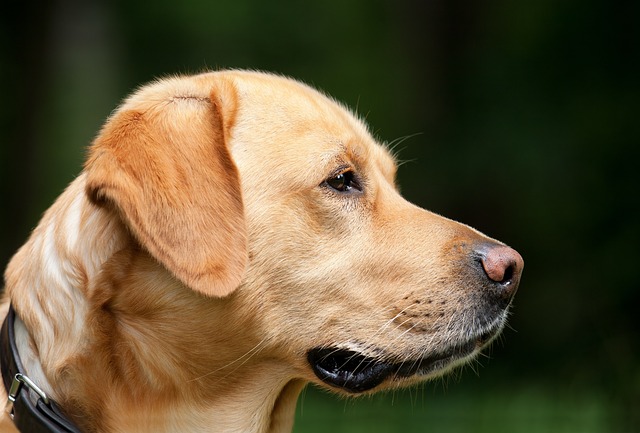
That moment of dread on a walk is all too familiar for many new dog owners. You see another dog approaching down the sidewalk of your neighborhood
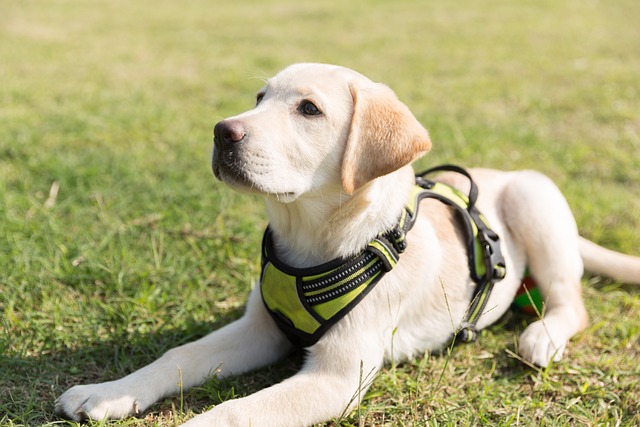
If the sight of another dog on your neighborhood walk makes your heart sink as your own dog erupts into a frenzy of barking and lunging, you're not alone.