
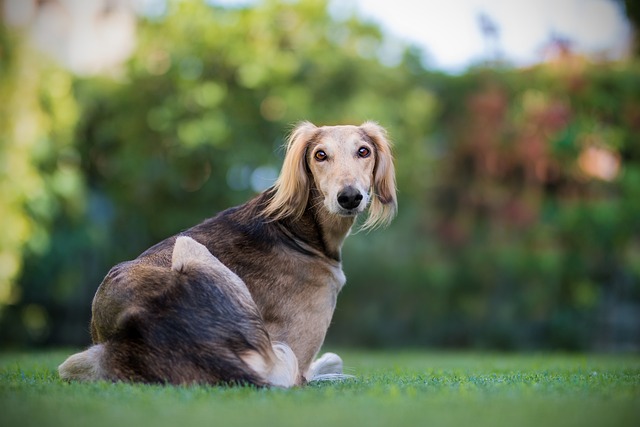
How do i train my dog to be obedient?
Watching your dog dart across the park ignoring your calls isn’t just frustrating—it can put them at risk near busy streets or public spaces.
Chihuahua puppies are tiny, but their bladders are even smaller—you’ll probably notice they need to go out within 15 to 20 minutes of eating, napping, or playing. Start by picking a consistent spot in your yard (or a designated indoor pad if you live in an apartment) and take them there every time. Use a simple cue like “go potty” so they learn to associate the phrase with the action; their small brains pick up on repetition fast.
Timing is everything with these little pups—if you miss their cues (like pacing or sniffing the floor), they might have an accident. When they do go in the right spot, reward them immediately with a tiny treat and excited praise. Skip scolding for accidents, though—Chihuahuas are sensitive, and negative reinforcement can make them scared to go near you, slowing down training.
Many areas have leash laws that apply even to small puppies, so keep your Chihuahua on a lightweight harness when taking them outside for toilet breaks. This not only keeps them safe from cars or other animals but also helps you guide them to their spot consistently. It’s also a good habit for following local pet waste rules—always carry bags to clean up after them, as fines for leaving waste can be steep in some neighborhoods.
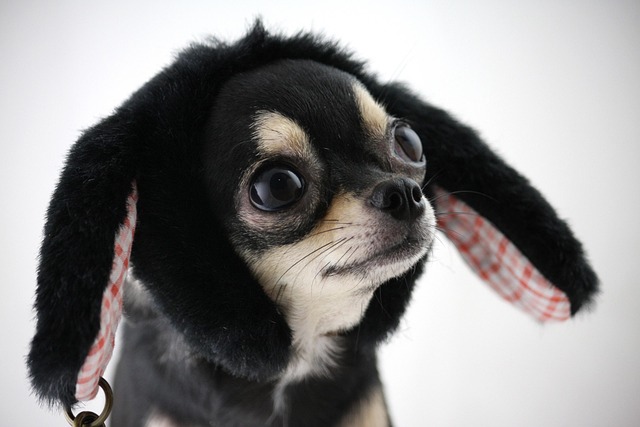 If you work long hours, an indoor potty pad can be a lifesaver, but be sure to place it away from their food and bed (dogs naturally avoid soiling where they eat or sleep). Gradually move the pad closer to the door over time, then outside, to help them transition to going outdoors full-time. For example, if you live in a city like Chicago or London, this step-by-step shift fits well with busy urban lifestyles.
Chihuahuas thrive on routine, so stick to set feeding times—this makes their bathroom schedule more predictable. Try feeding them three small meals a day instead of one large one; this means more frequent but manageable trips outside, reducing the chance of accidents. If you’re unsure about the right routine, your vet can help tailor one to your puppy’s age and energy level, which also keeps you compliant with local animal care guidelines.
Training a Chihuahua puppy to use the toilet takes patience, but seeing them learn that cue and head to their spot? It’s totally worth it. By staying consistent, using positive rewards, and following local pet laws, you’re not just teaching a skill—you’re building a happy, healthy routine that works for both you and your tiny, spunky pup.
Watching your dog dart across the park ignoring your calls isn’t just frustrating—it can put them at risk near busy streets or public spaces.
New puppy owners often find themselves rushing to clean up accidents before they set in, and that’s where puppy pad training becomes a game-changer.
If you've noticed your dog's waistline disappearing and your veterinarian has mentioned those few extra pounds, your first instinct might be to simply reduce the amount of food in their bowl.

Training a dog to use a designated spot indoors isn’t as daunting as many new owners fear, but it does take consistency and an understanding of your pet’s needs.
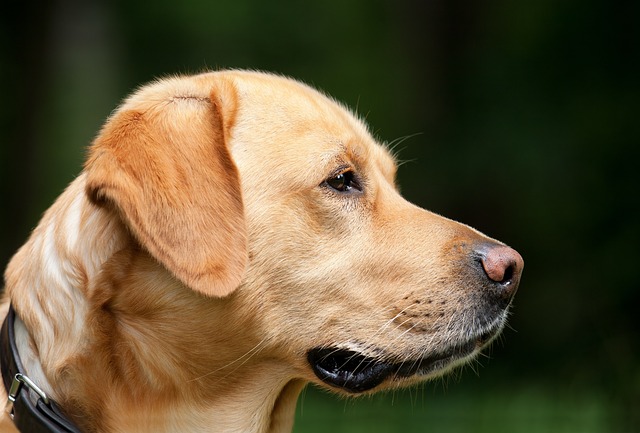
That moment of dread on a walk is all too familiar for many new dog owners. You see another dog approaching down the sidewalk of your neighborhood
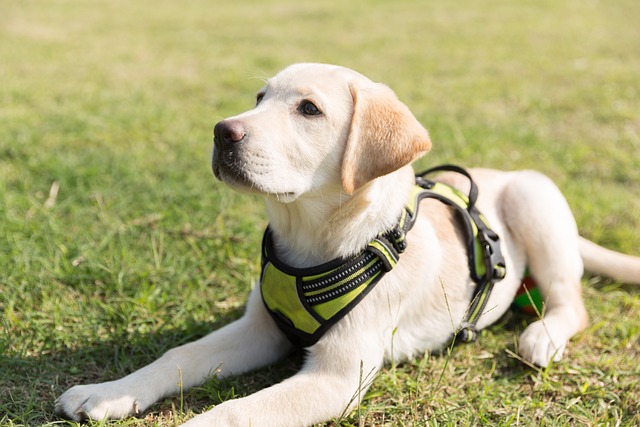
If the sight of another dog on your neighborhood walk makes your heart sink as your own dog erupts into a frenzy of barking and lunging, you're not alone.