
How do i train my dog to be obedient?
Watching your dog dart across the park ignoring your calls isn’t just frustrating—it can put them at risk near busy streets or public spaces.
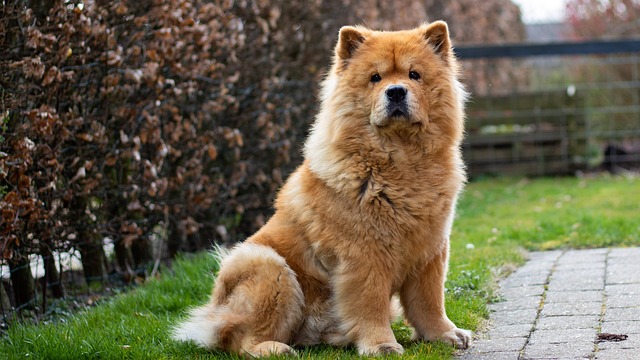
Chow Chows, with their lion-like manes and independent streaks, require a training approach that respects their unique temperament—especially when it comes to potty training. Unlike some breeds that thrive on constant praise, these fluffy companions respond best to consistency and clear boundaries, traits that align with the structured routines many pet owners in urban and suburban areas already follow.
Start by establishing a schedule that syncs with your Chow’s natural rhythms. Puppies under six months need frequent breaks: immediately after waking, after meals, and following play sessions. Take them to the same spot each time—whether it’s a patch of grass in your yard or a designated area in a shared park. The familiar scent will signal it’s time to go, reducing accidents indoors.
When accidents happen—and they will, especially with young pups—resist the urge to scold. Chows are sensitive to harsh tones, which can create fear around potty time. Instead, calmly clean the area with an enzymatic cleaner to eliminate odors; lingering smells might encourage repeat mistakes. Keep a log of successful trips outside—note times of day and activities beforehand—to spot patterns and adjust your schedule.
 Outdoor etiquette matters, too, especially in communities with strict pet laws. Always carry waste bags and promptly clean up after your Chow. Many cities fine owners who leave pet waste unattended, and failing to comply can strain relationships with neighbors. In shared spaces like apartment complexes, stick to designated pet relief areas to avoid conflicts.
As your Chow matures, gradually extend the time between potty breaks. Adult Chows can typically hold it for 6-8 hours, but avoid leaving them alone for longer stretches—this isn’t just about training, but their health and comfort. Reward consistency with small treats or extra playtime; positive reinforcement builds trust, making your Chow more likely to alert you when they need to go out, whether by pawing at the door or vocalizing softly.
Remember, patience is key. Some Chows take longer to master potty training than others, thanks to their stubborn side. Stay consistent with routines, keep training sessions short and upbeat, and always prioritize kindness over frustration. With time, your fluffy companion will learn to do their business where they should—keeping your home clean and your neighborhood happy.
Watching your dog dart across the park ignoring your calls isn’t just frustrating—it can put them at risk near busy streets or public spaces.
New puppy owners often find themselves rushing to clean up accidents before they set in, and that’s where puppy pad training becomes a game-changer.
If you've noticed your dog's waistline disappearing and your veterinarian has mentioned those few extra pounds, your first instinct might be to simply reduce the amount of food in their bowl.

Training a dog to use a designated spot indoors isn’t as daunting as many new owners fear, but it does take consistency and an understanding of your pet’s needs.
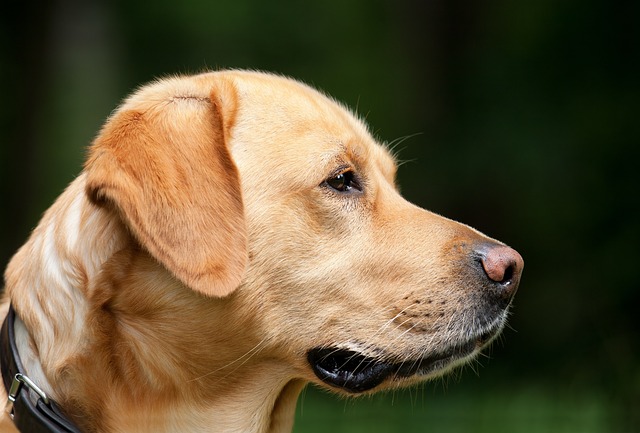
That moment of dread on a walk is all too familiar for many new dog owners. You see another dog approaching down the sidewalk of your neighborhood
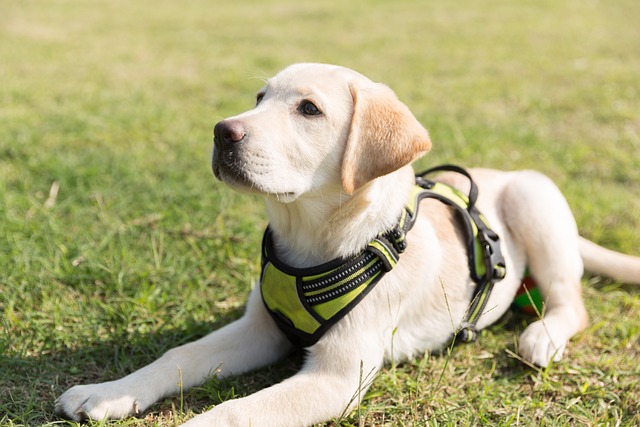
If the sight of another dog on your neighborhood walk makes your heart sink as your own dog erupts into a frenzy of barking and lunging, you're not alone.