

How do i train my dog to be obedient?
Watching your dog dart across the park ignoring your calls isn’t just frustrating—it can put them at risk near busy streets or public spaces.
Dogs, those furry bundles of energy, can sometimes turn our living rooms into chew toy battlegrounds or our morning walks into tug-of-war matches. It’s not that they’re being “bad”—more like they haven’t quite figured out what we need from them. Training a dog out of unwanted habits starts with understanding that every growl, jump, or stolen sock is their way of communicating. Maybe they’re bored, anxious, or just really, really excited to see the mailman.
The key isn’t to scold but to redirect. When your pup lunges at guests, instead of yelling, try stepping in front of them and offering a favorite toy. Most dogs respond better to “yes” than “no”—so when they pause, even for a second, light up. A treat, a scratch behind the ears, that high-pitched voice they love—these tell them, “This is what gets me good stuff.” It’s simple, but consistency matters. If one family member lets them beg at the table while another shuts it down, they’ll just keep testing the waters.
Timing is everything, too. Catch them in the act of doing something right—like sitting calmly when the doorbell rings—and reward that instant. Waiting even 30 seconds can confuse them; they might think the treat is for the tail wag, not the patience. And remember, outdoor habits need extra attention. Many areas have rules about keeping dogs controlled in public, so training them to walk nicely on a leash isn’t just polite—it keeps everyone safe, including your pup.
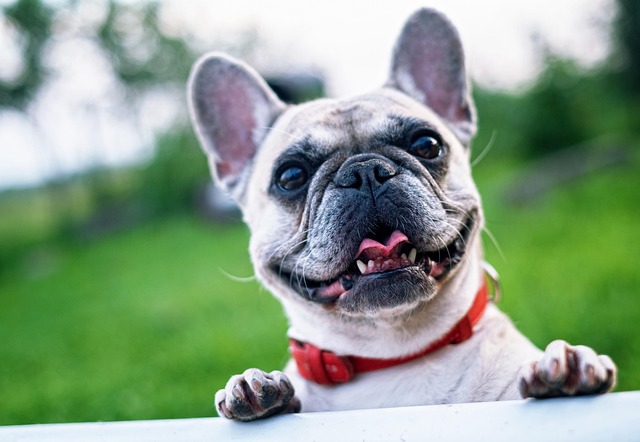 Sometimes, bad behavior is a cry for help. A dog that chews the couch while you’re at work might be suffering from separation anxiety. One that barks nonstop at the neighbor’s cat could be understimulated. Try adding an extra walk or a puzzle feeder filled with kibble—burning off energy often quiets the chaos. It’s not about fixing them overnight; it’s about building trust. They need to know you’re paying attention, even when they’re not acting out.
Older dogs can unlearn habits too, though it might take a little longer. If your rescue pup has a thing for digging up the flower bed, try creating a designated digging spot with soft sand. Bury a few toys there, and praise them like they’ve just found buried treasure when they use it. It works because it meets their need to dig without ruining your roses. And always keep local guidelines in mind—some places have strict rules about barking hours or off-leash areas, so tailoring training to fit those keeps everyone in good standing.
There will be setbacks. A week of perfect walks might suddenly turn into a chase after a squirrel. That’s normal. Laugh it off, reset, and start again. Getting frustrated only makes them tense, which makes training harder. Think of it as a dance—sometimes you step on each other’s toes, but you keep moving together. Over time, those missteps get fewer, and the rhythm gets smoother.
Training isn’t just about stopping the “bad” stuff—it’s about growing closer. When your dog learns to look to you for guidance, it builds a bond that makes every messy moment worth it. They’re not being difficult; they’re learning, just like we are. With a little patience, a lot of treats, and the right focus, you’ll both get there.
Watching your dog dart across the park ignoring your calls isn’t just frustrating—it can put them at risk near busy streets or public spaces.

New puppy owners often find themselves rushing to clean up accidents before they set in, and that’s where puppy pad training becomes a game-changer.
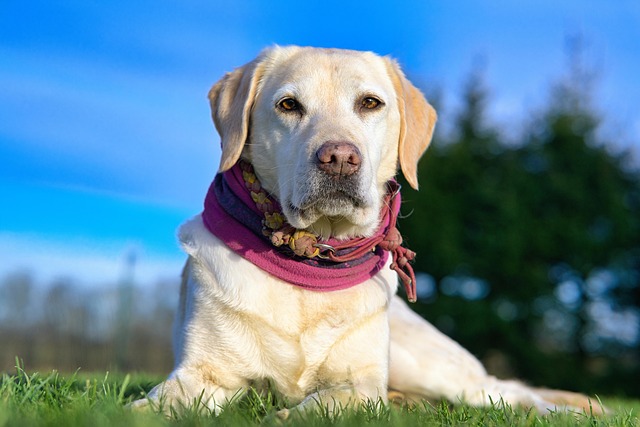
If you've noticed your dog's waistline disappearing and your veterinarian has mentioned those few extra pounds, your first instinct might be to simply reduce the amount of food in their bowl.

Training a dog to use a designated spot indoors isn’t as daunting as many new owners fear, but it does take consistency and an understanding of your pet’s needs.
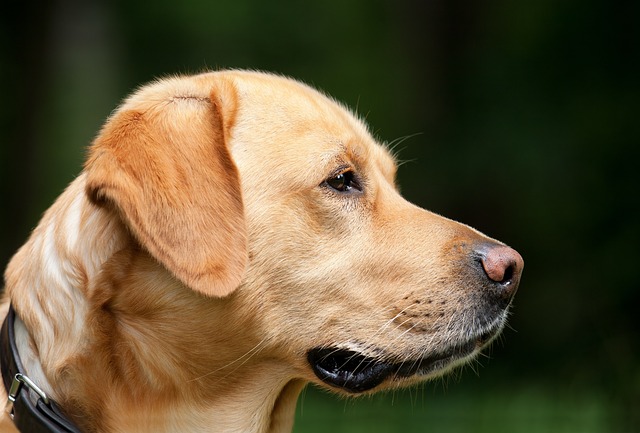
That moment of dread on a walk is all too familiar for many new dog owners. You see another dog approaching down the sidewalk of your neighborhood
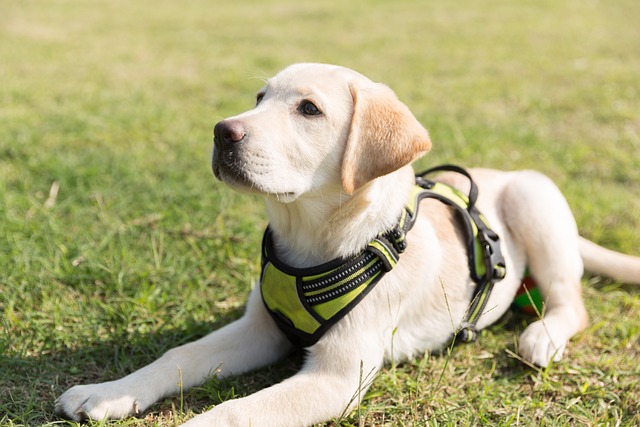
If the sight of another dog on your neighborhood walk makes your heart sink as your own dog erupts into a frenzy of barking and lunging, you're not alone.