
How do i train my dog to be obedient?
Watching your dog dart across the park ignoring your calls isn’t just frustrating—it can put them at risk near busy streets or public spaces.
If you’ve ever opened your door to guests only to have your puppy turn into a furry tornado—jumping, nipping, and darting between legs—you’ve probably wished for a magic solution. Last month, my friend Sarah faced this with her 9-week-old Golden Retriever, Max, whose excitement at visitors left her apologizing instead of chatting. Then she tried training him to sit on a mat, and within two weeks, Max learned to pause, trot to his mat, and sit calmly when the doorbell rang. Training a dog to sit on a mat isn’t just about manners; it’s about giving them a clear, happy role in busy moments, turning chaos into connection.
Dogs learn best through consistency and positive reinforcement, and the mat becomes their “success signal.” Their brains are wired to repeat behaviors that bring rewards, and a mat—soft, familiar, and always in the same spot—gives them a physical cue they can trust. Think of it as their “job”: when they sit on the mat, good things happen (treats, praise, pets), so they’ll keep doing it. Veterinarian Dr. Lopez in Denver explains: “Dogs crave predictability. The mat becomes a safe zone where they know exactly what’s expected, reducing anxiety in overwhelming situations—like when kids run through the house or the mailman arrives.” This works for all breeds, from tiny Yorkies to large Labs, because it taps into their natural instinct to seek out secure spots.
Start with the right setup. Choose a mat that’s soft, washable, and sized for your dog—2x3 feet works for small breeds, 3x4 feet for larger pups. Sarah picked a fleece mat for Max, placing it in the living room corner (not by the door or food bowl, to avoid distractions). Let your dog sniff the mat freely at first—no pressure. When Max first stepped on his mat, Sarah waited quietly, and when he sat down (even for a second), she gave him a tiny piece of freeze-dried chicken, said “Good sit!” in a warm voice, and petted his ears. That mix of treat, praise, and touch made him want to repeat the action. Start with short sessions: 10 seconds at first, then build to 30 seconds, then 2 minutes. If he got up, Sarah gently guided him back with a hand under his belly (no scolding) and rewarded him for trying—patience beats frustration every time.

As they learn, add small distractions to proof the behavior. Clap your hands softly, or have a family member walk by. When Max stayed seated through Sarah’s husband walking past, he got an extra treat and a “Wow, great job!” This teaches them the mat rule applies even when things get busy. By week three, Max would run to his mat when he heard the doorbell, tail wagging, because he knew treats waited there—no shoving or scolding needed. Remember: positive reinforcement builds trust, while punishment (yelling, pushing) makes them fear the mat, undoing all your work.
Living in an apartment makes this training extra useful. Place the mat on a quiet side of the room to avoid noisy distractions (important for thin walls in cities like Seattle or Chicago), keeping neighbors happy with less barking. For puppies still getting their rabies vaccine series (required by law in all states to stay healthy), mat training provides mental exercise when outdoor walks are limited. When walks resume, always pack poop bags—good manners start at home, and cleaning up is your duty in every neighborhood. And don’t forget: a well-trained dog on a mat is less likely to jump on neighbors or visitors, making community interactions joyful for everyone.
Sarah now laughs when guests arrive, watching Max proudly sit on his mat, waiting for his reward. It’s not perfect—he still sneaks a nose boop now and then—but it’s progress built on kindness, not control. Training a dog to sit on a mat isn’t just about teaching a trick; it’s about building a partnership where your pup knows “this is my spot, and here, I’m loved.”
Watching your dog dart across the park ignoring your calls isn’t just frustrating—it can put them at risk near busy streets or public spaces.
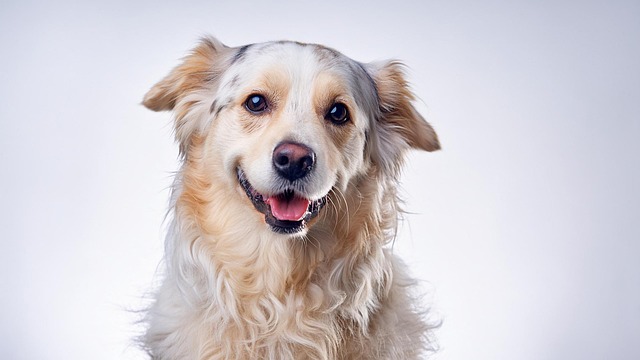
New puppy owners often find themselves rushing to clean up accidents before they set in, and that’s where puppy pad training becomes a game-changer.
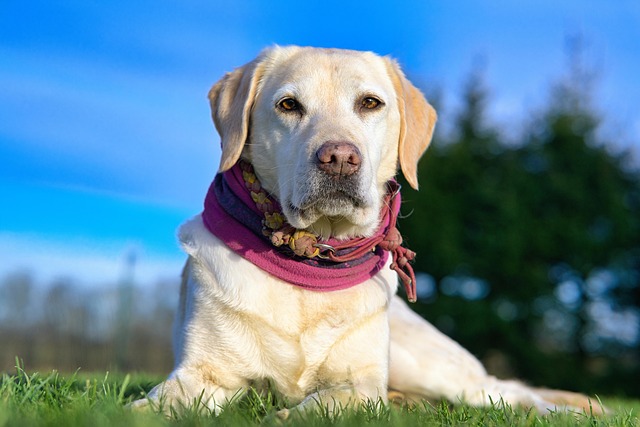
If you've noticed your dog's waistline disappearing and your veterinarian has mentioned those few extra pounds, your first instinct might be to simply reduce the amount of food in their bowl.

Training a dog to use a designated spot indoors isn’t as daunting as many new owners fear, but it does take consistency and an understanding of your pet’s needs.
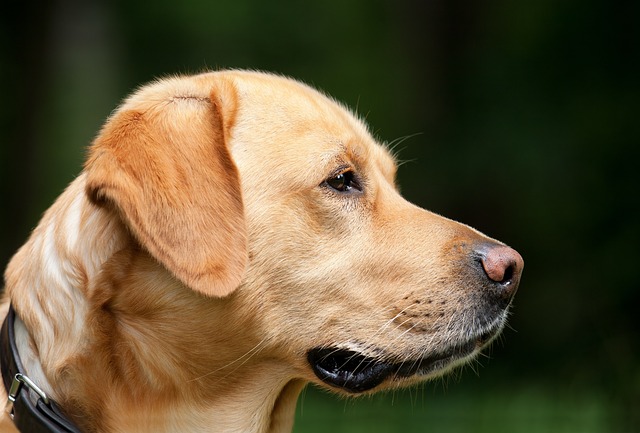
That moment of dread on a walk is all too familiar for many new dog owners. You see another dog approaching down the sidewalk of your neighborhood
If the sight of another dog on your neighborhood walk makes your heart sink as your own dog erupts into a frenzy of barking and lunging, you're not alone.