
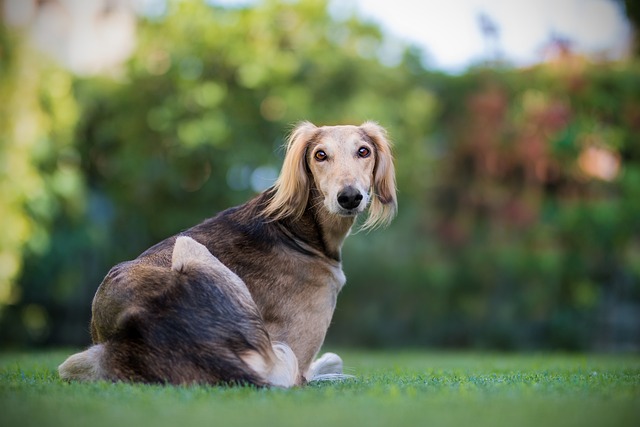
How do i train my dog to be obedient?
Watching your dog dart across the park ignoring your calls isn’t just frustrating—it can put them at risk near busy streets or public spaces.
Seeing your furry friend bare their teeth or growl at others is a heart-wrenching moment. Aggressive behavior in dogs isn't a choice—it's often a cry for help masked by fear, territorial instincts, or past trauma. Understanding the root cause is the first step in transforming your pup into a well-behaved companion.
Many dog owners mistake dominance for aggression, but true aggression stems from vulnerability. A rescue dog with a rough past might lash out when cornered, while a small breed could show teeth as a defense mechanism. Take note of triggers—whether it's other animals, sudden movements, or new people—and document these patterns. This awareness forms the foundation of your training strategy.
Safety always comes first. Before attempting any training, invest in tools like a sturdy leash, a well-fitted muzzle, and a safe space for your dog to retreat. If aggression spikes around food or toys, practice "leave it" commands from a distance using high-value treats. Gradually decrease the distance as your dog learns impulse control, rewarding calm behavior with praise and small rewards.
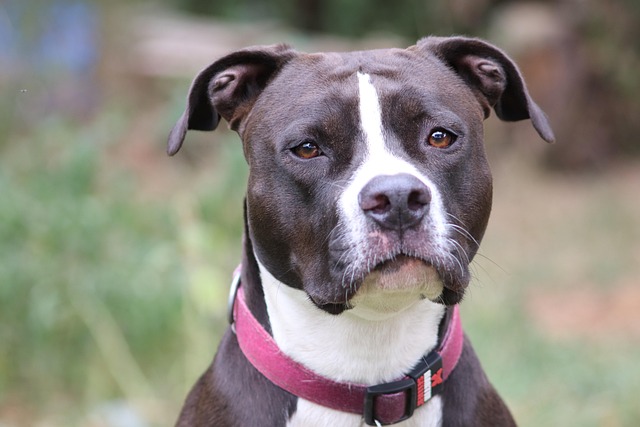 Positive reinforcement is key. Replace punishment-based methods with rewards for good behavior. When your dog ignores a trigger or approaches a new person without reacting, celebrate with their favorite snack and enthusiastic pets. Consistency matters—set aside 10-15 minutes each day for short, focused training sessions rather than long, overwhelming ones.
Socialization plays a crucial role, but it must be done right. Start with controlled introductions to calm environments and friendly dogs. Avoid crowded dog parks until your pup has better self-control. Consider enrolling in a professional obedience class where trainers can guide you through structured socialization exercises.
Remember, local laws regarding dog behavior vary. In many areas, owners are legally responsible for their pet's actions. Keep vaccination records up to date and ensure your dog is microchipped—these steps protect both your pet and others. If aggression persists despite your efforts, consult a certified professional dog trainer or behaviorist. They can provide personalized strategies and may identify underlying medical issues.
Training a dog out of aggression takes time, patience, and unconditional love. Every small victory—like a wagging tail instead of a growl—marks progress. By addressing the root cause, prioritizing safety, and using positive methods, you'll not only improve your dog's behavior but also strengthen the bond between you. Your furry friend deserves a chance to shine, and with the right approach, they can become the friendly companion you always knew they could be.
Watching your dog dart across the park ignoring your calls isn’t just frustrating—it can put them at risk near busy streets or public spaces.
New puppy owners often find themselves rushing to clean up accidents before they set in, and that’s where puppy pad training becomes a game-changer.
If you've noticed your dog's waistline disappearing and your veterinarian has mentioned those few extra pounds, your first instinct might be to simply reduce the amount of food in their bowl.

Training a dog to use a designated spot indoors isn’t as daunting as many new owners fear, but it does take consistency and an understanding of your pet’s needs.
That moment of dread on a walk is all too familiar for many new dog owners. You see another dog approaching down the sidewalk of your neighborhood
If the sight of another dog on your neighborhood walk makes your heart sink as your own dog erupts into a frenzy of barking and lunging, you're not alone.