
How do i train my dog to be obedient?
Watching your dog dart across the park ignoring your calls isn’t just frustrating—it can put them at risk near busy streets or public spaces.
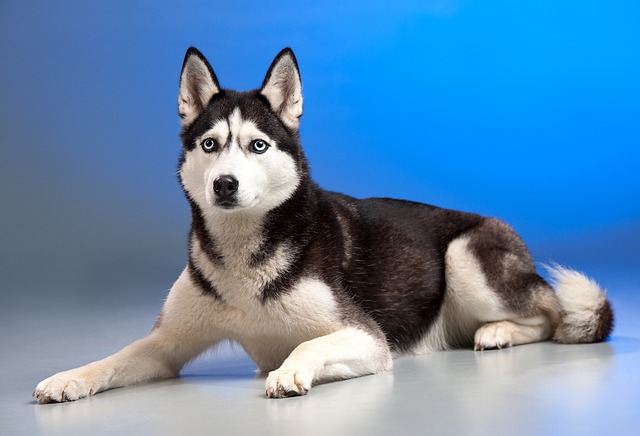
Watching your fluffy husky puppy clamp down on your hand during playtime might feel cute at first—until their sharp puppy teeth break the skin. Huskies are naturally playful and mouthy, especially as pups; their biting often stems from teething pain or excess energy, not aggression. But letting this behavior continue can turn into a problem as they grow—adult huskies have strong jaws, and even gentle nips can hurt.
The key is to teach them what’s “okay” to bite early on. Keep soft, chewable toys nearby (like rubber Kongs stuffed with peanut butter) and redirect their mouth to a toy whenever they nip your hand or clothes. For example, if your pup latches onto your sleeve during a walk, calmly pull your arm away and offer them a toy instead. Praise them enthusiastically when they chew the toy—positive reinforcement helps them learn fast that toys, not hands, are for biting.
Local leash laws and public safety rules matter here too. Many areas require puppies to be on a leash in public spaces, and uncontrolled biting could lead to complaints from neighbors or even fines. If you take your husky to a dog park, make sure they’re trained to stop biting on command (try a simple “no bite” cue) before letting them play with other dogs. This not only keeps you compliant but also prevents your pup from scaring or hurting other pets.
 Consistency is crucial—everyone in your home should follow the same rules. If one family member lets the puppy nibble their fingers while another scolds them, your pup will get confused. Avoid rough play like tug-of-war until they’ve mastered bite inhibition; this type of play can encourage more biting. Instead, opt for calm games like fetch, which let them burn off energy without using their mouth on you. For teething pups, frozen washcloths can soothe their sore gums and reduce the urge to bite.
Training your husky puppy not to bite takes time, but it’s worth it to build a safe, happy bond with your dog. Remember, puppies learn best with patience—never yell or hit them for biting, as this can make them fearful or more aggressive. With consistent redirection, positive praise, and adherence to local rules, your husky will grow into a well-behaved adult who knows that biting isn’t acceptable. Before you know it, playtime will be fun for both of you—no more sore hands required.
Watching your dog dart across the park ignoring your calls isn’t just frustrating—it can put them at risk near busy streets or public spaces.
New puppy owners often find themselves rushing to clean up accidents before they set in, and that’s where puppy pad training becomes a game-changer.
If you've noticed your dog's waistline disappearing and your veterinarian has mentioned those few extra pounds, your first instinct might be to simply reduce the amount of food in their bowl.

Training a dog to use a designated spot indoors isn’t as daunting as many new owners fear, but it does take consistency and an understanding of your pet’s needs.
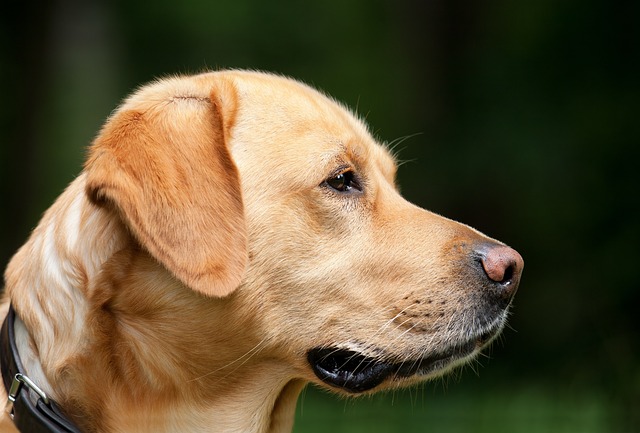
That moment of dread on a walk is all too familiar for many new dog owners. You see another dog approaching down the sidewalk of your neighborhood
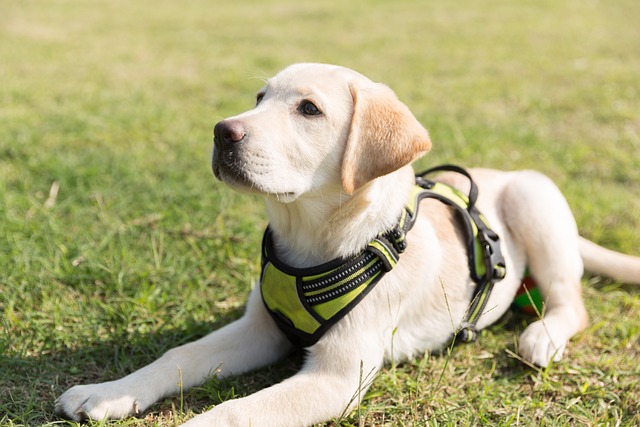
If the sight of another dog on your neighborhood walk makes your heart sink as your own dog erupts into a frenzy of barking and lunging, you're not alone.