
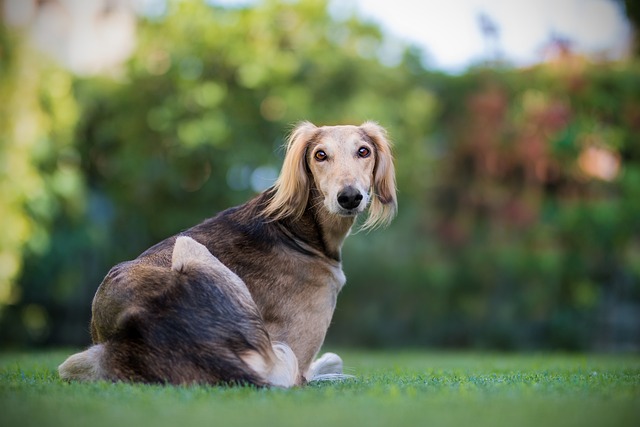
How do i train my dog to be obedient?
Watching your dog dart across the park ignoring your calls isn’t just frustrating—it can put them at risk near busy streets or public spaces.
There’s a quiet magic in training an older Border Collie—their wise eyes still spark with curiosity, even as their steps slow. It’s not about recapturing youth, but honoring their sharp mind while adapting to aging bodies. Let’s explore gentle, playful methods that keep them engaged, because these dogs thrive on purpose at any age.
Start with short, focused sessions—10-15 minutes in a calm space. My 10-year-old Tess lights up at "training time" not for tricks, but for our one-on-one bond. Use strong-smelling treats like liver paste to grab their fading sense of smell, and keep distractions minimal—their once-iron focus may waver with age.
Arthritis or stiffness might make "Stay" or "Down" harder. Break commands into tiny steps: ask for a sit, praise instantly, and gradually extend duration. When Tess developed a limp, I let her lower into "Down" at her own pace—celebrating every wobbly success. Patience rebuilds trust far better than frustration.
Senior Border Collies crave mental challenges more than physical feats. Try scent work with hidden treats in cardboard boxes, or target training (touching your hand on cue) to guide them gently—no jumping needed. Teach calm commands like "Gentle" for taking treats softly; these reinforce manners without straining joints.
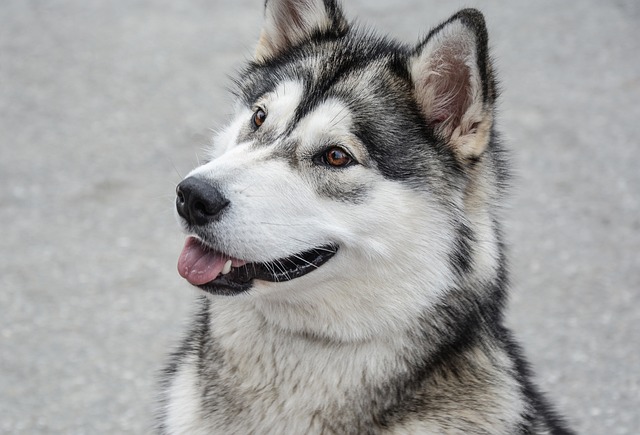 Aches and sensory changes require patience. Train on soft surfaces like carpet to cushion joints, and pair verbal cues with clear hand signals—Tess now follows my palm for "Stay" more than my voice as her hearing fades. Insert short breaks for belly rubs or water to keep sessions stress-free—this is partnership, not practice.
Older dogs may prefer quiet interactions. Invite calm friends over, rewarding relaxed behavior (loose tail, soft body) with praise. In leash-law regions, use a harness (gentler on shoulders) and practice "Heel" at a slow pace. When Tess used to bark at cyclists, we now stand quietly, turning it into a lesson in peaceful observation.
Boredom is a senior Border Collie’s enemy. Swap meals for puzzle feeders to turn eating into a game, or teach them to retrieve toys by name—Tess still distinguishes "Bunny" from "Ball" at 10. New walking routes with fresh scents engage their natural curiosity without exhausting them.
Regular vet checks (mandatory in countries like Germany) monitor for joint pain or cognitive changes. If your dog has arthritis, work with your vet on a training plan—supplements like glucosamine are common in the US/EU to support mobility. Ensure treats and harnesses meet safety standards (AAFCO certification, CE marking) to keep training safe and compliance.
Some days, Tess naps instead of training—and that’s okay. Training a senior dog is about small joys: the moment she follows a hand signal, or brings her toy to play. Their value isn’t in commands, but in the bond you’re nurturing. Older Border Collies may move slower, but their eagerness to learn and love remains unchanged.
As their guardian, you’re crafting their golden years with patience and adaptability. Honor their limits, celebrate their resilience, and let every training session be a moment of connection. Age may slow their steps, but it can’t dampen the spirit of a breed born to work alongside humans.
Watching your dog dart across the park ignoring your calls isn’t just frustrating—it can put them at risk near busy streets or public spaces.

New puppy owners often find themselves rushing to clean up accidents before they set in, and that’s where puppy pad training becomes a game-changer.
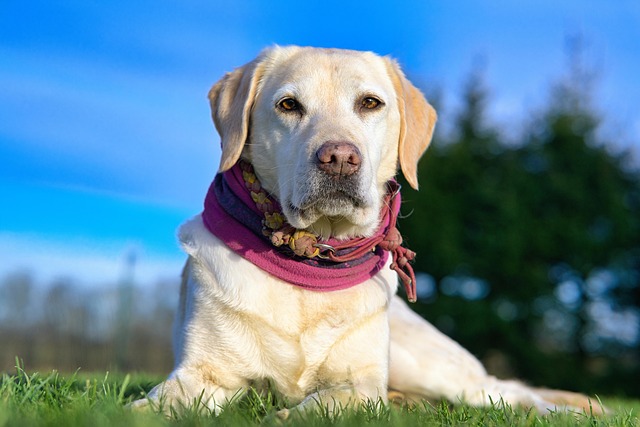
If you've noticed your dog's waistline disappearing and your veterinarian has mentioned those few extra pounds, your first instinct might be to simply reduce the amount of food in their bowl.
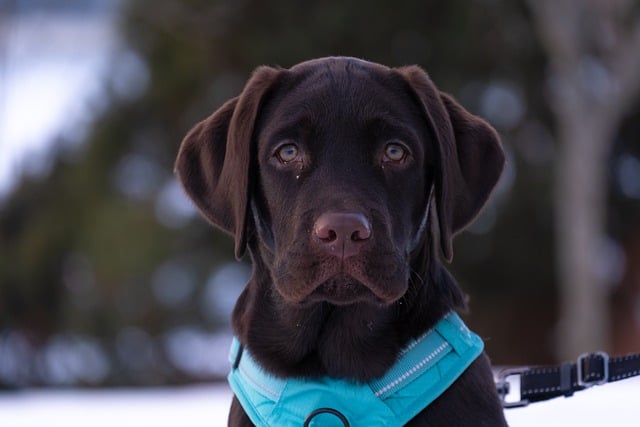
Training a dog to use a designated spot indoors isn’t as daunting as many new owners fear, but it does take consistency and an understanding of your pet’s needs.
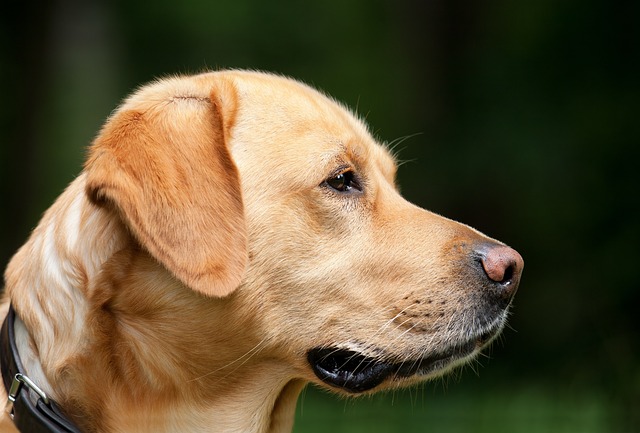
That moment of dread on a walk is all too familiar for many new dog owners. You see another dog approaching down the sidewalk of your neighborhood
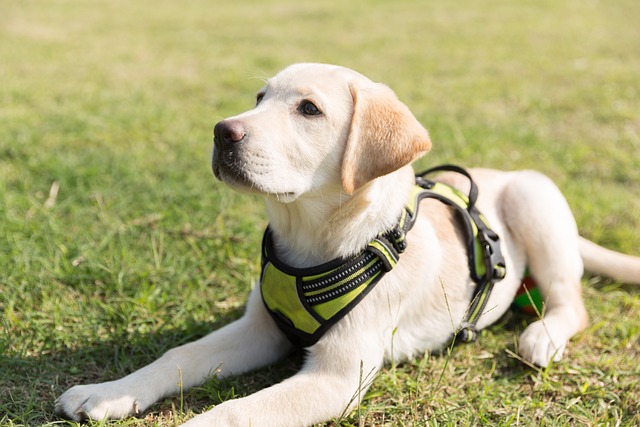
If the sight of another dog on your neighborhood walk makes your heart sink as your own dog erupts into a frenzy of barking and lunging, you're not alone.