
How do i train my dog to be obedient?
Watching your dog dart across the park ignoring your calls isn’t just frustrating—it can put them at risk near busy streets or public spaces.
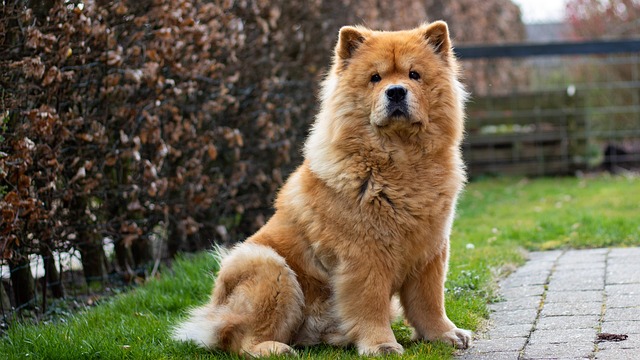
Chow Chows have a mind of their own, which makes potty training a unique challenge. Those fluffy coats and stubborn streaks mean you’ll need patience, but consistency turns even the most independent pup into a reliable companion. Start by syncing their schedule with yours—after meals, naps, and playtime are prime windows. Most Chows need to relieve themselves within 15 to 30 minutes of eating, so head outside right away.
Pick a spot in your yard or a designated area during walks—Chows thrive on routine, and a familiar spot helps them associate it with potty time. Bring treats, but not just any; these pups respond best to small, high-value rewards like freeze-dried chicken. When they go in the right place, praise them loudly—Chows love feeling like they’ve pleased their person.
Accidents happen, especially with puppies. If you catch them mid-mistake, a firm “no” and a quick trip outside works better than scolding later. Rubbing their nose in it? That’s not just ineffective—it breaks their trust. Clean messes with an enzymatic cleaner to erase odors; Chows are drawn to familiar scents, and leftover smells invite repeat incidents.
 In many European cities, letting your dog poop on sidewalks without cleaning up can land you a fine—some as high as €150. In parts of the U.S., like New York, failing to scoop can cost $250 or more. Keep biodegradable bags handy, and make it part of the routine. It’s not just about following laws; it shows respect for your community, which matters when you’re out with your Chow.
Older Chows or rescue dogs might need extra time. If they’ve spent months in a shelter, they may not understand outdoor rules. Go slow—short, frequent trips outside, paired with calm encouragement. Avoid rushing them; Chows hate feeling pressured, and stress will only delay progress.
By the end, it’s about building a rhythm they understand. Wake up, go out. Eat breakfast, go out. After a long walk, check if they need to go again. With time, your Chow will start signaling—maybe a nudge at the door or a focused stare. When that happens, you’ll know the training’s clicked. And isn’t that worth the wait?
Watching your dog dart across the park ignoring your calls isn’t just frustrating—it can put them at risk near busy streets or public spaces.
New puppy owners often find themselves rushing to clean up accidents before they set in, and that’s where puppy pad training becomes a game-changer.
If you've noticed your dog's waistline disappearing and your veterinarian has mentioned those few extra pounds, your first instinct might be to simply reduce the amount of food in their bowl.

Training a dog to use a designated spot indoors isn’t as daunting as many new owners fear, but it does take consistency and an understanding of your pet’s needs.
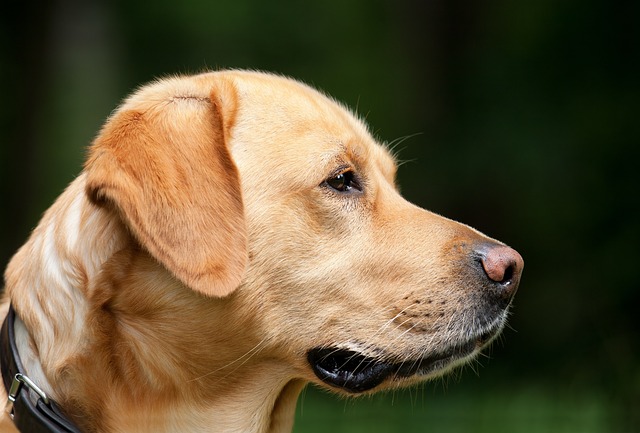
That moment of dread on a walk is all too familiar for many new dog owners. You see another dog approaching down the sidewalk of your neighborhood
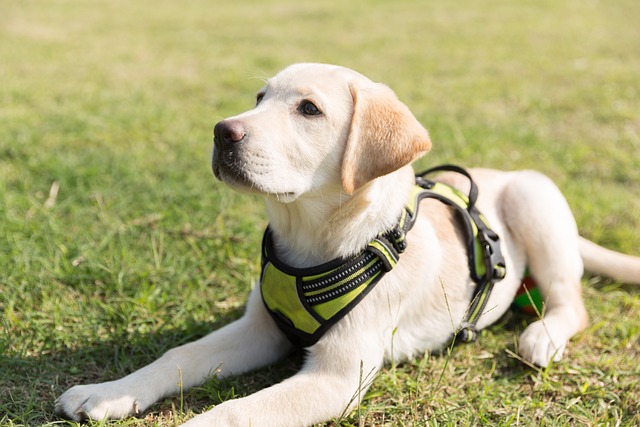
If the sight of another dog on your neighborhood walk makes your heart sink as your own dog erupts into a frenzy of barking and lunging, you're not alone.