
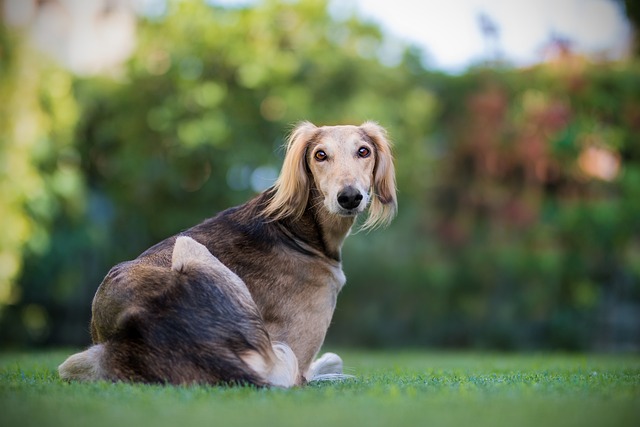
How do i train my dog to be obedient?
Watching your dog dart across the park ignoring your calls isn’t just frustrating—it can put them at risk near busy streets or public spaces.
When the dog at home suddenly bared its teeth and growled, or even attacked passers-by, many owners were frightened and filled with self-blame and anxiety. In fact, the aggressiveness of dogs is not an unchangeable nature, but the result of a variety of factors. Understanding these deep reasons and intervening in training in a scientific and emotional way can not only reshape the dog's behavior pattern, but also establish a deeper level of trust between the owner and the pet.
Aggression is a survival instinct of dogs. In the process of evolution, it helps dogs protect their territory, food and offspring. But in modern society, this instinct is often over-released due to environmental changes. From a biological point of view, the aggressive behavior of dogs is regulated by genes, hormone levels and brain neurotransmitters. For example, the guarding nature of some dog breeds formed by historical breeding makes them more vigilant against unfamiliar things; and unneutered male dogs may also show stronger aggressiveness under the influence of male hormones. However, genes do not determine everything, and the acquired environment and training play an important role in shaping the behavior of dogs.
Environmental factors are an important trigger for dog aggression. Dogs that have been abused or abandoned are in a state of fear and stress for a long time, and the amygdala in the brain will be abnormally active, misjudging many normal stimuli as threats, resulting in defensive attacks. Dogs that have been kept in a small space for a long time and lack social interaction will also become sensitive and irritable due to the unfamiliarity of the outside world. In addition, pain is also a factor that cannot be ignored. When a dog suffers from chronic arthritis or oral disease, physical discomfort will make it anxious, and any touch may trigger an aggressive reaction. These situations remind us that behind the dog's aggression, there is often unspeakable pain and anxiety.
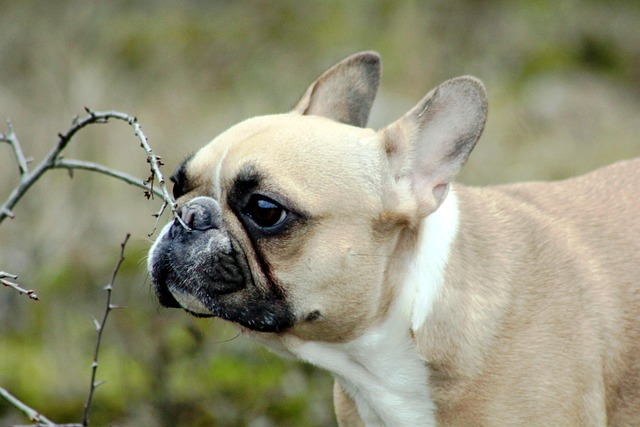
If you want to change a dog's aggressive behavior, you first need to establish a solid bond of trust. The owner must learn to interpret the dog's body language. When its ears are pressed back, its tail is clamped, and the whites of its eyes are exposed, this is a signal of fear; while raising its hair and growling and barking is a warning. In the face of these situations, avoid using coercive means such as beating, scolding, and dragging, which will only increase the dog's fear and further escalate its aggression. Instead, give it enough sense of security, approach it with a gentle tone and slow movements, and let the dog feel your kindness. You can try to help it relax its tense nerves with gentle caressing and snack rewards in a quiet environment.
Desensitization training is an effective way to reduce the aggression of dogs. Its core is to gradually adapt the dog to the stimuli that once caused it fear or anger. If the dog is sensitive to strangers, you can initially let the stranger appear at a distance. When the dog remains calm, immediately give snacks and praise. As the training progresses, gradually shorten the distance between the stranger and the dog, and make sure the dog is in an acceptable state every time. This process requires great patience and may progress slowly, but every small progress is worth celebrating. Because this is not only a change in behavior, but also a process for the dog to re-establish trust in the world.
Positive reinforcement training is the key to reshaping dog behavior. Dogs are essentially animals that crave recognition. When they behave in a gentle and friendly manner, timely giving delicious snacks, warm hugs and sincere praise will make them understand that this behavior can bring pleasant results. For example, when a visitor arrives, the dog does not immediately bark and attack, but sits quietly. At this time, the owner should immediately reward the dog. By repeating this positive feedback, the dog will gradually form new behavioral habits, replacing aggression with gentleness. At the same time, avoid inadvertently reinforcing the dog's aggressive behavior. For example, when the dog barks at passers-by, the owner is afraid and hurriedly pulls away. In the eyes of the dog, this may be a reward for its "protecting the owner" behavior.
Socialization training is crucial to reducing dog aggression, especially from the puppy stage. Let the dog be exposed to different people, animals and sounds in a safe and controllable environment to enrich its cognitive experience. You can take it to the dog park to play with gentle companions; invite friends to visit your home to let the dog get used to the presence of strangers. During the social process, pay close attention to the dog's reaction. If there are signs of tension, take it away in time to avoid leaving negative memories. With the accumulation of social experience, the dog will gradually understand that most things will not pose a threat to it, thereby reducing aggressive behavior.
In addition to behavioral training, the dog's living environment and physical and mental health should not be ignored. Provide it with sufficient exercise and mental stimulation, ensure enough walking and playing time every day, consume excess energy, and avoid behavioral problems caused by boredom and depression. Take the dog for regular physical examinations to detect and treat potential health problems in a timely manner. At the same time, create a stable and warm family atmosphere so that the dog can feel cared for and safe. Because a dog with a stable heart, healthy and happy, is more willing to face the world with a friendly attitude.
Training a dog to reduce aggression is a journey full of love and patience, and there is no shortcut. In this process, the owner may experience countless setbacks, but every progress of the dog, even if it is just a slight change, is worth cheering. Please believe that as long as you use scientific methods and sincere love to guide, the once aggressive dog will eventually become that gentle, cute, and lovable furry child.
Watching your dog dart across the park ignoring your calls isn’t just frustrating—it can put them at risk near busy streets or public spaces.
New puppy owners often find themselves rushing to clean up accidents before they set in, and that’s where puppy pad training becomes a game-changer.
If you've noticed your dog's waistline disappearing and your veterinarian has mentioned those few extra pounds, your first instinct might be to simply reduce the amount of food in their bowl.

Training a dog to use a designated spot indoors isn’t as daunting as many new owners fear, but it does take consistency and an understanding of your pet’s needs.
That moment of dread on a walk is all too familiar for many new dog owners. You see another dog approaching down the sidewalk of your neighborhood
If the sight of another dog on your neighborhood walk makes your heart sink as your own dog erupts into a frenzy of barking and lunging, you're not alone.