
How do i train my dog to be obedient?
Watching your dog dart across the park ignoring your calls isn’t just frustrating—it can put them at risk near busy streets or public spaces.
Dogs, these lovely creatures, are like little angels in our lives. With their enthusiasm and loyalty, they add endless joy and warmth to our days. From the moment they bounce around to greet us when we get home to when they quietly snuggle at our feet, every instant makes us deeply appreciate the happiness of having them. Training a dog to fetch specific items not only enhances the dog's skills but also further deepens the emotional bond between humans and dogs, making this companionship even more wonderful.
To train a dog to fetch specific items, first, select a suitable starting item. This item is preferably something the dog is familiar with and interested in, such as its favorite toy ball. Because dogs are more motivated to chase and interact with things they are familiar with and like. When starting the training, choose a quiet environment with few distractions so that the dog can focus more on the training. You can gently pick up the ball, wave it in front of the dog to attract its attention, and at the same time, say in a cheerful and excited tone, "Look, this is your ball!" to make the dog pay full attention to this item.
Then, gently throw the ball a short distance and issue a clear and concise command at the same time, such as "Go get it." Driven by the instinctive desire to chase toys, the dog may run after the ball. Once it gets close to the ball, even if it just sniffs it with its nose, immediately give enthusiastic encouragement, such as loudly praising "Great job," and you can also give some small treats as a reward. If the dog successfully picks up the ball in its mouth, give an even more enthusiastic response. Not only should you give more treats as a reward, but also gently stroke it and praise it in a joyful tone to let the dog understand that the behavior of picking up the ball can bring great pleasure and rewards.
 When the dog gradually gets used to picking up the ball and coming back to you, it's time to increase the difficulty and introduce the concept of "specific items." Select another item that has an obvious difference in appearance from the ball, such as a small plush doll. First, put the ball and the doll in front of the dog at the same time, point to the doll and say, "This is the doll. Go get the doll." Then throw the doll and issue the command "Go get it" again. If the dog runs over and picks up the doll in its mouth, give extremely enthusiastic rewards to reinforce its behavior of picking up the right item. However, if it mistakenly picks up the ball, don't scold or show disappointment. Instead, calmly put the ball back in place, re-emphasize "Get the doll," and then throw the doll again to guide the dog to perform the correct behavior.
Consistency is crucial during the training process. The commands should always be concise, clear, and unified. Don't say "Go get it" today and change it to "Fetch it back" tomorrow. Stable commands help the dog understand your intentions. Moreover, the way of rewarding the dog after it performs the correct behavior each time should also be consistent, so that the dog can clearly know what kind of behavior will lead to what kind of rewards. At the same time, the training time should not be too long. About 10 to 15 minutes each time is appropriate because a dog's attention span is limited, and too long a training session can easily make them feel tired and bored. You can conduct 2 to 3 such short training sessions every day. If you keep at it for a period of time, the dog will gradually master the skill of fetching specific items.
Emotions also play a vital role in training. Dogs are very sensitive animals and can keenly sense their owners' emotions. When you are full of patience, love, and positive expectations, the dog will be more willing to cooperate with the training. During the training process, make more eye contact with the dog, communicate with it in a gentle tone, and let it feel your care and attention. When the dog encounters difficulties or makes mistakes, don't be impatient. Believe in its ability to learn and progress, and replace criticism and punishment with encouragement and guidance. For example, if the dog fails to pick up the specific item correctly several times, don't show frustration. Instead, keep trying different guiding methods, such as more vividly showing the item or changing the direction and distance of throwing the item to help the dog find the right way.
As the training progresses, you can further expand the training scenarios and difficulty levels. Gradually shift from a quiet indoor environment to an outdoor environment with some distractions, such as a park. In the park, the dog may be distracted by other people and animals, as well as the sounds of the surrounding environment. At this time, it needs to focus more on your commands. When starting outdoor training, the distractions should not be too great. You can choose a corner with fewer people and relatively quiet for training. As the dog's adaptability increases, gradually add more distracting factors. At the same time, you can increase the types and quantities of items to be fetched. For example, throw out a doll, a ball, and a small stick at the same time, and let the dog fetch different items in turn according to your commands. This can further exercise the dog's understanding and execution abilities.
Training a dog to fetch specific items is a journey full of love and patience. During this process, we learn from and grow together with our dogs. Every time the dog successfully completes the command, the excited glimmer in its eyes and the way it wags its tail waiting for praise make us feel endless warmth and a sense of accomplishment. Through such training, the dog not only learns a practical skill, but more importantly, the emotional connection between us and them becomes deeper and stronger, allowing this companionship between humans and dogs to shine even more brightly through the years.
Watching your dog dart across the park ignoring your calls isn’t just frustrating—it can put them at risk near busy streets or public spaces.
New puppy owners often find themselves rushing to clean up accidents before they set in, and that’s where puppy pad training becomes a game-changer.
If you've noticed your dog's waistline disappearing and your veterinarian has mentioned those few extra pounds, your first instinct might be to simply reduce the amount of food in their bowl.

Training a dog to use a designated spot indoors isn’t as daunting as many new owners fear, but it does take consistency and an understanding of your pet’s needs.
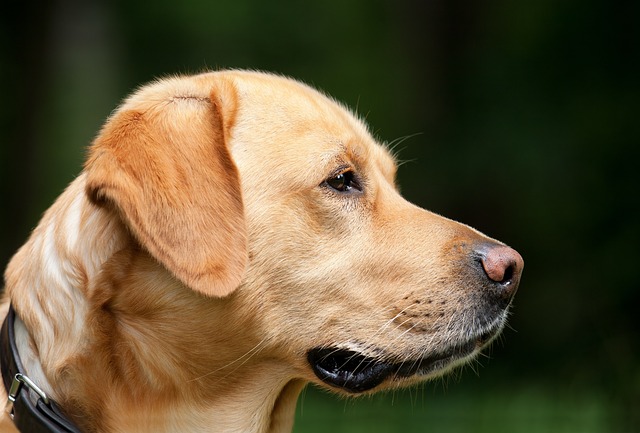
That moment of dread on a walk is all too familiar for many new dog owners. You see another dog approaching down the sidewalk of your neighborhood
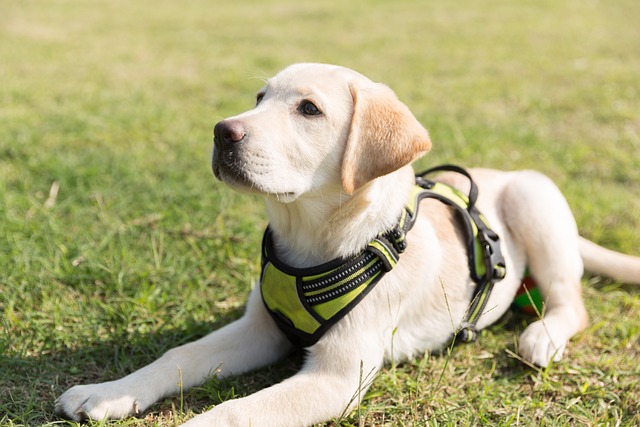
If the sight of another dog on your neighborhood walk makes your heart sink as your own dog erupts into a frenzy of barking and lunging, you're not alone.