
How do i train my dog to be obedient?
Watching your dog dart across the park ignoring your calls isn’t just frustrating—it can put them at risk near busy streets or public spaces.
Our dogs’ love for food is adorable, but it can pose risks—whether it’s dangerous items they find outside or table scraps from visitors. Teaching them to refuse food isn’t just a trick; it’s a vital safety skill. Here’s how to start, with patience and positivity at the core.
Begin training in a quiet space with two types of treats: high-value ones your dog adores and plainer ones for practice. The "Leave It" command is your foundation. Close a plain treat in your fist—when your pup sniffs or paws, say "Leave It" calmly. The moment they back off, reward them with a high-value treat from your other hand. This links self-control to a reward they can’t resist.
Next, try placing a treat on the ground and covering it. Use "Leave It" again, waiting for them to pause or look at you. Praise warmly and offer a hand-fed reward. As they get the hang of it, remove your hand gradually—soon, they’ll wait for your okay before approaching food on the floor.
For when they’ve already picked up something, "Drop It" is key. Offer a favorite toy or treat when they have an item in their mouth, saying "Drop It." The instant they release it, give the new reward. This teaches them that letting go leads to something better than what they’re holding.
 Consistency is non-negotiable. Every family member should use the same commands and rules—no sneaky snacks from guests! Dogs thrive on routine, and mixed signals will only confuse them. Take training outdoors slowly, starting in low-distraction spots like a quiet park. If they eye food on the ground, use "Leave It," redirect their focus to you, and celebrate when they listen.
Avoid punishment entirely. Yelling or scolding creates anxiety, breaking trust and slowing progress. Stick to rewards—treats, praise, or a game—to reinforce good behavior. Remember, each dog learns at their own speed. Some pick it up in weeks; others need months. Stay patient—your calm encouragement makes all the difference.
While local pet laws vary, the core goal remains: keeping your dog safe from harmful substances and helping them navigate the world politely. As you practice, you’ll notice them becoming more attentive to your cues, whether on a walk or at home. This training strengthens your bond, too—they’ll learn to trust your guidance over every tempting crumb.
Keep sessions short, fun, and focused. A few 5-10 minute drills daily are more effective than long, tiring sessions. Celebrate small wins, and soon your pup will understand that refusing food isn’t a restriction—it’s a way to stay safe, earn your praise, and enjoy happier adventures together. With time, that "leave it" will become second nature, giving you peace of mind and them a sense of calm control.
Watching your dog dart across the park ignoring your calls isn’t just frustrating—it can put them at risk near busy streets or public spaces.
New puppy owners often find themselves rushing to clean up accidents before they set in, and that’s where puppy pad training becomes a game-changer.
If you've noticed your dog's waistline disappearing and your veterinarian has mentioned those few extra pounds, your first instinct might be to simply reduce the amount of food in their bowl.

Training a dog to use a designated spot indoors isn’t as daunting as many new owners fear, but it does take consistency and an understanding of your pet’s needs.
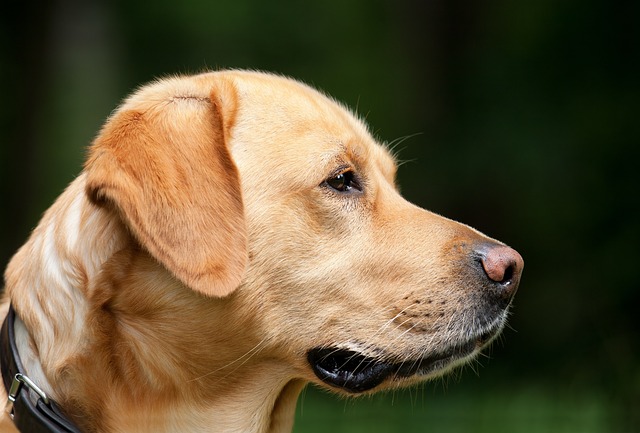
That moment of dread on a walk is all too familiar for many new dog owners. You see another dog approaching down the sidewalk of your neighborhood
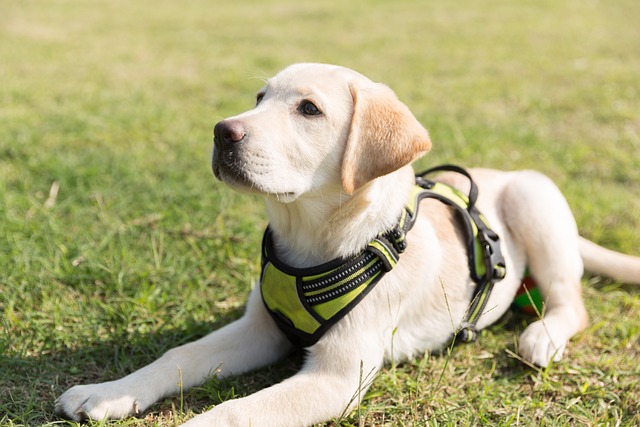
If the sight of another dog on your neighborhood walk makes your heart sink as your own dog erupts into a frenzy of barking and lunging, you're not alone.