
What is glaucoma in a dog?
You might notice your dog squinting more at mealtime or avoiding bright sunlight—these small changes could be early signs of a serious eye condition.
Dogs can catch colds too, and watching your pup sniffle or cough can tug at any pet parent’s heartstrings. The first step is knowing what to look for: runny noses, watery eyes, a mild cough, or lethargy are classic signs. Keep an eye on their temperature—normal is between 99.5 and 102.5°F; anything over 103°F means it’s time to pay closer attention. Notice if they’re eating less or skipping meals, too—loss of appetite often signals something needs checking.
Comfort is key when your dog’s under the weather. Create a cozy spot away from drafts, maybe with their favorite blanket or bed. Avoid letting them lie on cold floors, especially in winter—tile or concrete can make their symptoms worse. A warm, quiet corner where they can rest undisturbed helps their body fight off the virus, just like it does for us when we’re sick.
Hydration matters more than you might think. A dog with a cold might not drink as much, but dehydration can complicate their recovery. Try offering fresh water in a shallow bowl, or add a splash of low-sodium chicken broth (no onions or garlic, which are toxic) to entice them. If they’re really picky, use a syringe to gently squirt small amounts of water into their mouth—just be careful not to overwhelm them.
 Never reach for your own cold meds to help your pup. Many common human drugs, like decongestants or pain relievers, are dangerous for dogs and could lead to serious health issues. Even “natural” remedies need a vet’s okay—some herbs safe for humans can harm dogs. Local regulations often require veterinary approval for pet medications, so skipping that step isn’t just risky for your dog; it could land you in trouble legally.
Knowing when to call the vet is crucial. If your dog’s cold lasts more than 48 hours, or if they start wheezing, have thick yellow/green discharge, or refuse water entirely, don’t wait. Puppies, seniors, or dogs with existing conditions (like asthma) need extra care—their symptoms can escalate quickly. A vet can rule out more serious issues, like kennel cough or allergies, and prescribe safe treatments.
Small, consistent steps make the biggest difference. Wipe their runny nose with a soft cloth to keep their snout from getting raw. Offer small, easy-to-eat meals if they’re not hungry—think boiled chicken or plain rice. Most importantly, spend time with them—gentle pets and quiet snuggles can ease their stress, which helps their immune system work better.
Recovery takes time, but with patience and the right care, your dog will be back to chasing squirrels in no time. Always trust your gut—if something feels off, your vet is your best resource. After all, keeping your pup healthy means following both your heart and the guidelines that keep them safe.
You might notice your dog squinting more at mealtime or avoiding bright sunlight—these small changes could be early signs of a serious eye condition.
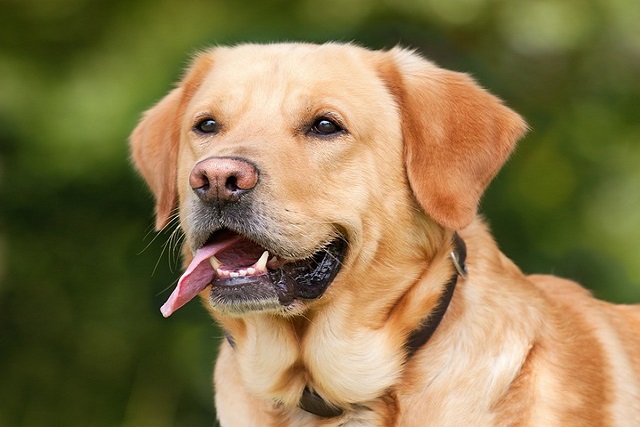
Let’s set the scene: It’s a sweltering Phoenix afternoon—105°F outside—and you rushed your 2-year-old Lab mix, Cooper, on a quick walk to “get it over with.”
Let’s get real: You’re in your Miami apartment, watching your 3-year-old Corgi, Loki, struggle to climb the stairs to your second-floor unit.
Many dog owners brush off occasional scratching as just “dog behavior,” but persistent itching often signals something more—like a food allergy.
You might first notice your dog scratching more than usual—chewing at their paws until the fur looks thin, or rubbing their face against the couch nonstop.
Let’s be real: You’re standing in your Chicago apartment, watching your 3-year-old Beagle, Max, huff and puff just to climb onto the couch.