
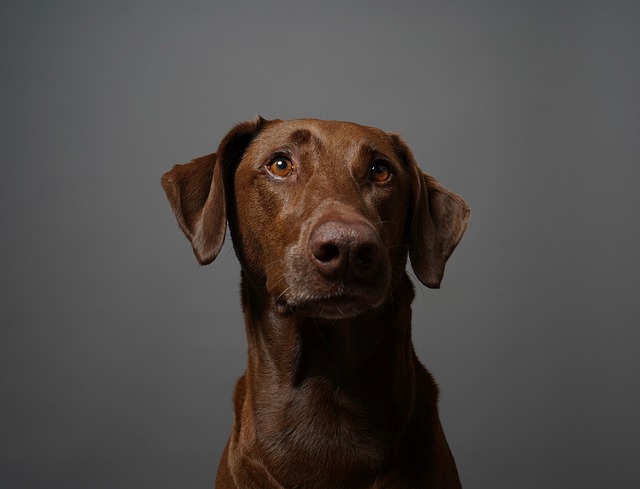
What is glaucoma in a dog?
You might notice your dog squinting more at mealtime or avoiding bright sunlight—these small changes could be early signs of a serious eye condition.
Waking up to the sound of your pup retching, then finding a messy spot on their bed—few things rattle a new dog parent like these signs. If your dog is suddenly vomiting, having diarrhea, or acting listless, there’s a good chance it’s acute gastroenteritis in dogs. This common issue hits fast, but with the right steps, most pups bounce back quickly.
Acute gastroenteritis in dogs happens when the stomach and intestines get inflamed, usually from something they shouldn’t have eaten. Maybe it was that leftover pizza crust from the counter, a sip of stagnant water during a walk, or even stress from a move to a new apartment. The gut’s lining gets irritated, so the body tries to flush out the problem with vomiting or diarrhea—think of it as their system hitting a “reset” button.
First, take a deep breath and focus on hydration. Skip food for 12–24 hours to let their stomach settle, but never withhold water. Offer small sips frequently—using ice cubes can help if they’re reluctant to drink. If they keep it down, try a bland meal after the fast: boiled chicken and rice, no salt or butter. Start with tiny portions; a handful for a Chihuahua, a cup for a Lab. This gentle mix eases the gut back into working.
 Know when to call the vet—this isn’t a “tough it out” situation. If your dog vomits more than 3 times in a row, has blood in their stool, or seems too weak to stand, head in right away. Many U.S. states have laws emphasizing timely vet care for sick pets, and for good reason: dehydration or infections can turn serious fast. Plus, vets might run tests to rule out parasites or toxins, which home care can’t fix.
Even in the messiest moments, stay kind. Your pup doesn’t mean to soil the rug—discomfort makes control hard. Scolding will only stress them more; instead, clean up calmly with an enzyme cleaner (apartment neighbors will thank you for nixing odors). While they recover, skip long walks, but a slow trip to the yard helps—just bag every stool, extra important when they’re ill to keep germs from spreading in the community.
Most cases clear up in 2–3 days with these steps. To prevent repeats, keep trash secured, avoid table scraps, and stick to a consistent diet. And remember: regular vet check-ups, including up-to-date vaccines, are your best defense. A little vigilance goes a long way in keeping your dog’s tummy—and your peace of mind—in good shape.
You might notice your dog squinting more at mealtime or avoiding bright sunlight—these small changes could be early signs of a serious eye condition.
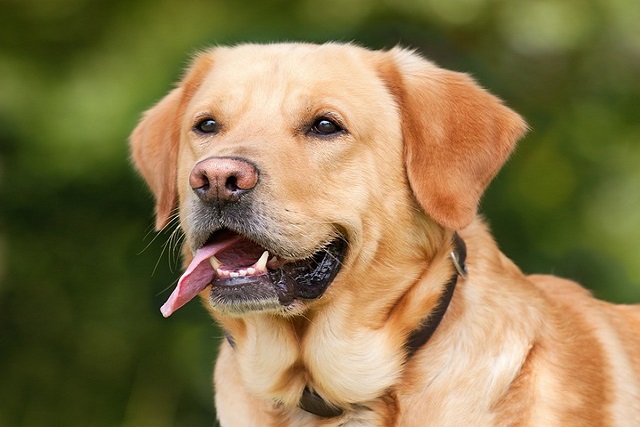
Let’s set the scene: It’s a sweltering Phoenix afternoon—105°F outside—and you rushed your 2-year-old Lab mix, Cooper, on a quick walk to “get it over with.”

Let’s get real: You’re in your Miami apartment, watching your 3-year-old Corgi, Loki, struggle to climb the stairs to your second-floor unit.
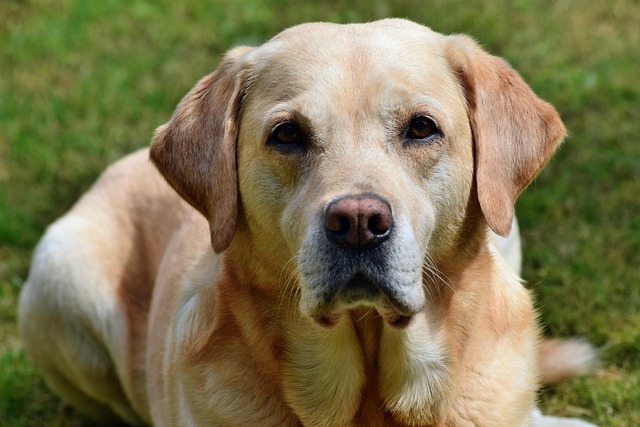
Many dog owners brush off occasional scratching as just “dog behavior,” but persistent itching often signals something more—like a food allergy.

You might first notice your dog scratching more than usual—chewing at their paws until the fur looks thin, or rubbing their face against the couch nonstop.

Let’s be real: You’re standing in your Chicago apartment, watching your 3-year-old Beagle, Max, huff and puff just to climb onto the couch.