
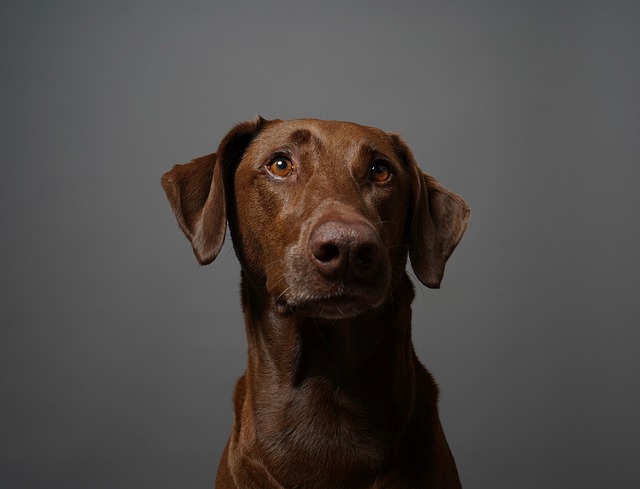
What is glaucoma in a dog?
You might notice your dog squinting more at mealtime or avoiding bright sunlight—these small changes could be early signs of a serious eye condition.
Seeing your dog struggle to breathe can be terrifying. That raspy, labored sound as they gasp for air triggers every pet owner's worst fears. While some cases demand immediate veterinary attention, many mild breathing difficulties can be managed at home with the right knowledge. Let's walk through what causes these scary moments and how you can help your furry friend when they need you most.
Dogs develop breathing problems for various reasons—allergies, infections, heart disease, or even stress. Short-nosed breeds like Bulldogs or Pugs often face challenges due to their anatomy, while others might struggle after exertion or exposure to irritants. Watch for rapid, shallow breaths, flared nostrils, or a blue-tinged tongue, which signals oxygen deprivation. Recognizing these signs early gives you the best chance to intervene before things escalate.
If your dog is struggling but still alert, start by keeping them calm. Panic worsens breathing difficulties, so speak softly and avoid sudden movements. Move them to a cool, well-ventilated space—heat and humidity can make breathing harder. A humidifier or steamy bathroom (without the dog inside) might help loosen mucus if congestion is the issue. Hydration is key; offer small amounts of water to prevent dehydration, which thickens secretions and complicates breathing.
Never ignore worsening symptoms. If your dog collapses, their gums turn pale or blue, or they seem disoriented, rush to the vet immediately. These are signs of life-threatening distress. Even if home care provides temporary relief, underlying conditions like heart disease or pneumonia require professional diagnosis and treatment. Delaying care could turn a manageable issue into an emergency.
Prevention plays a huge role in long-term respiratory health. Maintain a smoke-free environment, avoid strong fragrances, and keep your dog at a healthy weight—excess pounds strain their breathing. Regular vet check-ups catch early signs of trouble, especially for breeds prone to respiratory issues. With attentive care and quick action when needed, you can help your dog breathe easier for years to come.
You might notice your dog squinting more at mealtime or avoiding bright sunlight—these small changes could be early signs of a serious eye condition.

Let’s set the scene: It’s a sweltering Phoenix afternoon—105°F outside—and you rushed your 2-year-old Lab mix, Cooper, on a quick walk to “get it over with.”

Let’s get real: You’re in your Miami apartment, watching your 3-year-old Corgi, Loki, struggle to climb the stairs to your second-floor unit.

Many dog owners brush off occasional scratching as just “dog behavior,” but persistent itching often signals something more—like a food allergy.

You might first notice your dog scratching more than usual—chewing at their paws until the fur looks thin, or rubbing their face against the couch nonstop.

Let’s be real: You’re standing in your Chicago apartment, watching your 3-year-old Beagle, Max, huff and puff just to climb onto the couch.