
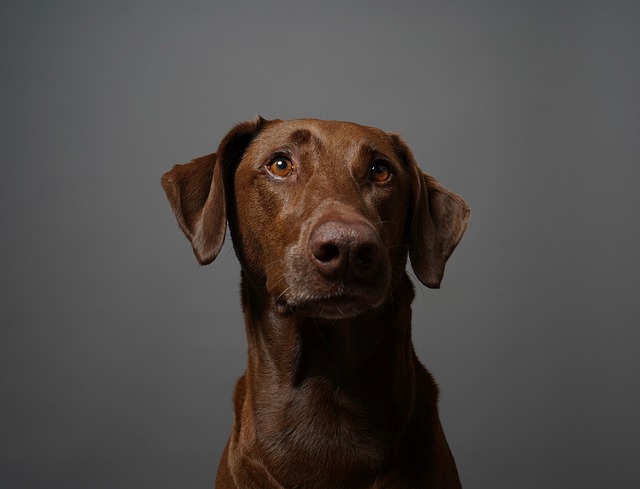
What is glaucoma in a dog?
You might notice your dog squinting more at mealtime or avoiding bright sunlight—these small changes could be early signs of a serious eye condition.
Dogs are the most loyal companions of humans. When they drag one of their hind legs and limp with difficulty, every owner's heart will be tightly grasped. This pain not only tortures pets, but also makes the owners who live with them day and night extremely anxious. In the face of the common but not negligible problem of dog hind leg lameness, the dual care of science and emotion is indispensable. We need to use professional knowledge and warm companionship to help them out of trouble.
First of all, understanding the cause of dog hind leg lameness is the key to solving the problem. From a medical point of view, the factors that cause dog hind leg lameness are complex and diverse, covering a variety of situations from soft tissue injury to bone lesions. Muscle strain is one of the more common causes. Dogs are naturally lively and active. Excessive force when running and jumping, or sudden changes in the direction of movement may cause hind leg muscle strain. In addition, joint sprains should not be ignored, especially when dogs are engaged in intense exercise, such as fast turns and sudden stops, the hind leg joints are under great pressure and are prone to sprains. Large dogs such as Labradors and Golden Retrievers gradually develop hip dysplasia as they age, which can cause their hind legs to limp, and the lameness symptoms will be more obvious after activities. Small dogs are prone to patellar dislocation, which is determined by the characteristics of their bone structure. Patellar dislocation can cause leg pain and lameness when dogs walk. More seriously, some systemic diseases, such as canine distemper and rheumatoid arthritis, may also cause lameness in the dog's hind legs. These diseases not only affect the health of the legs, but also pose a serious threat to the dog's overall physical condition.
When the dog's hind legs are found to be lame, the owner's first reaction is often anxiety and worry. But at this time, it is crucial to stay calm. The owner needs to carefully observe the dog's symptoms, record the time when the lameness occurs, whether it is regular, and whether it is accompanied by other abnormal manifestations, such as fever, loss of appetite, and mental depression. At the same time, gently touch the dog's hind legs and pay attention to the dog's reaction. If the dog shows obvious resistance, howling or pain when touching a certain part, then this part is likely to be the location of injury or lesions. But during the touch process, be sure to pay attention to gentle movements to avoid causing secondary injuries to the dog. If the dog's lameness is mild, only occurs occasionally, and is relieved after rest, the owner can let the dog rest properly, reduce the amount of activity, and observe whether the lameness symptoms will gradually disappear. However, if the lameness persists, or the dog has severe pain, swelling, inability to stand, etc.the dog must be taken to the pet hospital immediately.
In the pet hospital, a professional veterinarian will conduct a comprehensive and detailed examination. The first is a detailed physical examination. The veterinarian will check the appearance of the dog's legs to see if there are wounds, swelling, deformities, etc., and will also check the activity of the leg joints to determine whether the range of motion of the joints is normal. In order to diagnose the cause more accurately, the veterinarian may recommend some imaging examinations, such as X-rays, CT or MRI. X-rays can clearly show the morphology and structure of the bones, helping to determine whether there are problems such as fractures, dislocations, and bone hyperplasia; CT and MRI can observe the condition of soft tissues in more detail, which is of great value for diagnosing diseases such as muscle strains, ligament injuries, and herniated discs. In addition, the veterinarian may also conduct laboratory tests such as blood tests and joint fluid analysis to rule out the possibility that systemic diseases cause lameness.
Once the cause of the disease is determined, the veterinarian will develop a corresponding treatment plan. For soft tissue injuries such as muscle strains and joint sprains, cold compresses are usually used in the early stage to reduce swelling and pain. Wrap an ice pack in a towel and apply it to the injured area for 15-20 minutes each time, 3-4 times a day, for 1-2 days. 2-3 days after the injury, you can switch to hot compresses to promote blood circulation and accelerate injury repair. At the same time, the veterinarian may prescribe some anti-inflammatory and analgesic drugs to help the dog relieve pain. During the dog's recovery period, strictly limit its activities and avoid strenuous exercise to provide sufficient recovery time for the injured tissue.
For dogs with hip dysplasia, the treatment plan will depend on the severity of the condition. Mild hip dysplasia can be relieved by medication, physical therapy and weight control. Medication mainly uses some drugs to protect joint cartilage and reduce inflammation; physical therapy includes massage, acupuncture, hydrotherapy, etc., which can enhance muscle strength and improve joint mobility. For dogs with severe conditions, surgical treatment may be required, such as hip replacement. The treatment of patellar dislocation also requires choosing the appropriate method according to the degree of dislocation. Mild dislocation can be treated conservatively, such as using joint protectors and conducting rehabilitation training, while severe dislocation usually requires surgical reduction and fixation.
In the treatment and rehabilitation process of dogs, the owner's companionship and care play a vital role. Whether it is the gentle comfort during injections and medication, or the patient guidance during rehabilitation training, every move of the owner conveys care and support. Providing a comfortable and quiet resting environment for dogs and ensuring that they have enough sleep will help their bodies recover. In terms of diet, it is necessary to ensure balanced nutrition and appropriately increase foods rich in protein, vitamins and minerals, such as high-quality dog food, chicken, fish, vegetables, etc., to promote the repair of injured tissues. At the same time, according to the advice of the veterinarian, take the dog for regular review, understand the recovery situation, and adjust the treatment plan in time.
Dog hind leg lameness is a problem that the owner needs to pay great attention to. Through scientific diagnosis, professional treatment and warm companionship, we will definitely be able to help these lovely fur children overcome pain, regain vitality, and run happily in the sun again. Every time we take good care of them, it is an affectionate response to this precious friendship. Let us protect their health and happiness with love and expertise.
You might notice your dog squinting more at mealtime or avoiding bright sunlight—these small changes could be early signs of a serious eye condition.
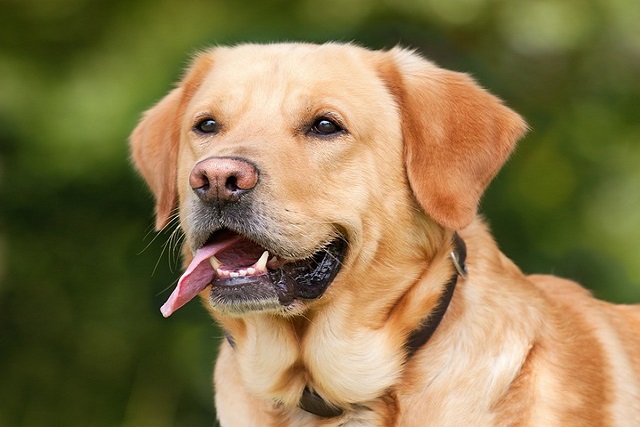
Let’s set the scene: It’s a sweltering Phoenix afternoon—105°F outside—and you rushed your 2-year-old Lab mix, Cooper, on a quick walk to “get it over with.”
Let’s get real: You’re in your Miami apartment, watching your 3-year-old Corgi, Loki, struggle to climb the stairs to your second-floor unit.
Many dog owners brush off occasional scratching as just “dog behavior,” but persistent itching often signals something more—like a food allergy.
You might first notice your dog scratching more than usual—chewing at their paws until the fur looks thin, or rubbing their face against the couch nonstop.
Let’s be real: You’re standing in your Chicago apartment, watching your 3-year-old Beagle, Max, huff and puff just to climb onto the couch.