

How can I tell if my dog's heatstroke is serious
Let’s be real: It’s a sticky August morning in Los Angeles, and you took your 2-year-old Golden Retriever, Max, for a walk a little later than usual
Noticing your dog’s ears are clogged with thick, yellowish wax—or maybe they’re scratching more than usual? While some ear wax is normal (it protects their ears from dirt and bacteria), too much can signal irritation, infection, or poor airflow. Let’s explore how to address this gently and effectively, keeping your pup’s comfort front and center.
First, understand what “normal” looks like. Healthy ear wax is usually light brown, soft, and odorless, with no redness or swelling. Excessive wax—thick, sticky, discolored (green/yellow), or smelly—often comes with head shaking, ear rubbing, or your dog pulling away when you touch their ears. These signs mean it’s time to act, but rushing in without care can do more harm than good.
Skip the DIY urges and start with a vet visit. It’s tempting to grab a cotton swab, but stop! Poking into the ear canal can push wax deeper, scratch delicate skin, or even burst the eardrum. Your vet will check for infections, mites, or allergies—common causes of overproduction. In the EU and US, veterinary groups stress that only licensed professionals should handle deep ear issues to avoid legal risks and protect your dog’s health.
Clean safely under vet guidance. If your dog’s ears are otherwise healthy but have minor buildup, your vet might recommend a dog-specific ear cleanser (never human products, which throw off pH balance). Tilt their head sideways, add a few drops to the canal, and massage the base for 20–30 seconds. Let them shake it out, then wipe the outer ear with a soft cloth—no inserting anything into the canal. Repeat as directed, usually once or twice a week.
 Treat the root cause, not just the wax. Infections need prescription drops or oral meds. For breeds prone to buildup (like Cocker Spaniels or Basset Hounds), regular cleaning becomes part of their routine to prevent moisture-trapping and bacterial growth. Allergies? Your vet might suggest hypoallergenic food or anti-inflammatory meds to reduce ear inflammation and wax production.
Avoid dangerous home remedies at all costs. Hydrogen peroxide, alcohol, or olive oil can dry out skin or create a breeding ground for yeast. Over-the-counter “wax removal” products without vet approval often irritate sensitive canals. Ignoring persistent buildup can lead to hearing loss or chronic infections, so don’t delay that vet visit—your dog’s ears deserve expert care.
Prevent future issues with regular care. Make weekly ear checks part of grooming, especially for floppy-eared or long-haired breeds. After baths or swimming, dry ears gently with a vet-approved drying solution to keep moisture out (a major wax trigger). Trim fur around ear openings for better airflow—ask a groomer for help if you’re unsure.
Calm anxious pups during cleaning. Some dogs stress over ear care, so use treats and soft praise to create positive associations. If they resist, wrap them in a towel for gentle restraint (never force it). Patience builds trust, and a relaxed dog makes the process safer and less stressful for both of you.
Excessive ear wax is your dog’s way of saying their ears need attention. By prioritizing professional advice and gentle routines, you’re tackling the cause, not just the symptom. Every careful step shows your pup you’re looking out for their comfort, turning a routine task into an act of love.
With time and consistency, their ears will stay balanced and healthy, free from the discomfort of excess wax. Trust your vet’s expertise, stay gentle, and remember: your proactive care ensures those ears—floppy, pointy, or somewhere in between—keep twitching happily for years to come. You’ve got this, and your pup is better for it.
Let’s be real: It’s a sticky August morning in Los Angeles, and you took your 2-year-old Golden Retriever, Max, for a walk a little later than usual

You're enjoying a summer afternoon at the park when you notice your dog has stopped panting and appears disoriented - their gums are bright red

Let’s paint the picture: You’re in your Denver apartment, watching your 4-year-old Boston Terrier, Ruby, plop down mid-play session with her favorite toy

Many dog owners notice their pets nails seem shorter after regular walks,but how much does this daily activity actually help?The answer depends on where you walk—concrete sidewalks or asphalt streets gently file nails as a dog's paws hit the ground
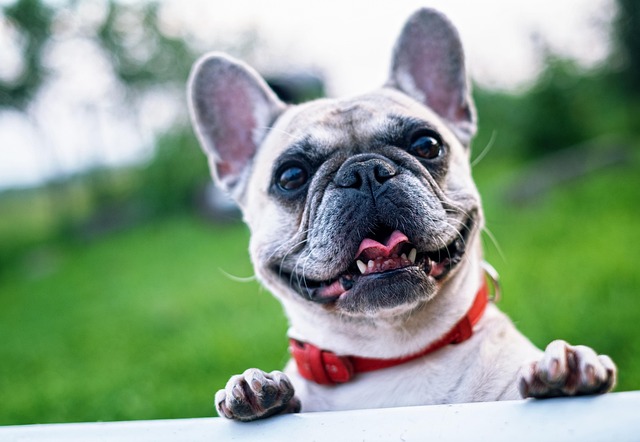
Most dog owners notice their pup scooting across the carpet at some point, but few connect it to impacted anal glands. These small sacs near a dog’s rectum secrete a scent for marking territory

Most vets agree that regular dog teeth cleaning is key to avoiding painful dental issues later. For healthy adult dogs, a professional cleaning at the vet’s office every 12 to 18 months usually works well.