

What is glaucoma in a dog?
You might notice your dog squinting more at mealtime or avoiding bright sunlight—these small changes could be early signs of a serious eye condition.
Watching your dog struggle with stiff movements or hesitate before jumping onto their favorite spot? That subtle shift in behavior often whispers the first clues of joint discomfort. Actually, it’s heartbreaking to see our lively companions slow down. Joint pain in dogs isn't just about aging; it can stem from injuries, genetics like hip dysplasia, or conditions like arthritis. You might notice them lagging on walks, licking a specific joint, or even showing reluctance to climb stairs. That cheerful bounce fading impacts more than mobility—it dims their spark, making simple joys like fetch or greeting you at the door feel like chores.
When Buddy winces getting up, conventional veterinary care is usually step one. Vets often prescribe NSAIDs—medications that tackle inflammation and pain effectively. They’re powerful helpers, truly. However, they’re not magic bullets. Potential side effects on kidneys or stomachs mean careful monitoring is non-negotiable. For severe cases, especially involving torn ligaments or advanced dysplasia, surgery might enter the conversation. Procedures like TPLO can be transformative, offering renewed stability. Yet, the costs, recovery time, and anesthesia risks demand serious thought. It’s a partnership; you and your vet weighing relief against risks, always prioritizing your dog’s whole health picture.
Beyond the clinic, a world of supportive care exists, weaving seamlessly into medical plans. Think holistic treatments for joint pain in dogs not as replacements, but as gentle allies. Acupuncture? Surprisingly, many dogs drift into relaxed naps during sessions, its fine needles potentially easing inflammation and boosting circulation. Therapeutic massage isn’t just luxury—kneading tense muscles around sore joints can improve flexibility and offer deep comfort. Then there’s their world: simple environmental tweaks. Placing grippy mats on slippery floors, providing an orthopedic bed that cradles aching joints, or using a ramp instead of stairs. These adjustments whisper, "I see you, I’m here," making their daily navigation less painful.
What goes into your dog’s bowl profoundly influences those creaky joints. Nutrition and supplements for joint health are foundational. Look for diets rich in omega-3 fatty acids—think fish oil or flaxseed—nature’s potent anti-inflammatories. Glucosamine and chondroitin sulfate, often bundled in joint supplements, act like building blocks, supporting cartilage repair and lubrication. Green-lipped mussel extract is another rising star, packed with beneficial nutrients. Don’t forget antioxidants like vitamins C and E; they combat cell damage contributing to joint wear. It’s not just adding a pill; it’s crafting meals that actively nourish their moving parts from within. Quality matters immensely here.
Movement might seem counterintuitive when joints hurt, but the right kind is medicine. Physical therapy for dogs with joint pain isn't about intensity; it's about intelligent, guided motion. Think controlled leash walks on soft surfaces, building endurance gently. Hydrotherapy—walking or swimming in warm water—is fantastic! The buoyancy supports their weight while water resistance builds muscle without pounding joints. At home, simple range-of-motion exercises, like gently flexing and extending a leg, can maintain flexibility. Certified canine rehab therapists are gold, designing personalized programs. Regular, appropriate activity keeps muscles strong, actually taking pressure off those vulnerable joints and reducing stiffness. It’s about motion as mindful healing.
Crafting a lasting solution for joint pain in dogs rarely fits a single mold. A truly effective plan harmonizes conventional wisdom with supportive holistic strategies, tailored uniquely to *your* dog. That spry Beagle recovering from a ligament tear needs different support than your senior Lab with arthritis. Start with your vet’s diagnosis and medical recommendations—that’s the bedrock. Then, layer in the natural remedies for canine joint pain you feel confident about: maybe that fish oil supplement, weekly swims, and a cozy heated bed. Track their response meticulously. Does Max seem brighter after starting glucosamine? Does Bella navigate the kitchen more easily with the new rug? Constant communication with your vet is crucial—updating them on supplements and therapies ensures everything works synergistically, safely. It’s a dynamic dance, adjusting steps as their needs evolve, all aimed at one thing: reclaiming their joyful woof and wag.
You might notice your dog squinting more at mealtime or avoiding bright sunlight—these small changes could be early signs of a serious eye condition.
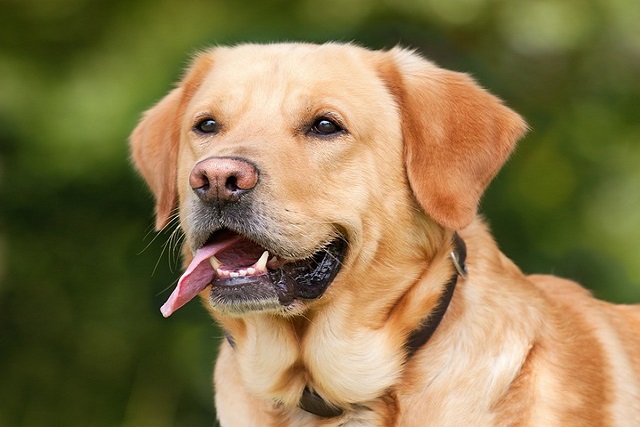
Let’s set the scene: It’s a sweltering Phoenix afternoon—105°F outside—and you rushed your 2-year-old Lab mix, Cooper, on a quick walk to “get it over with.”
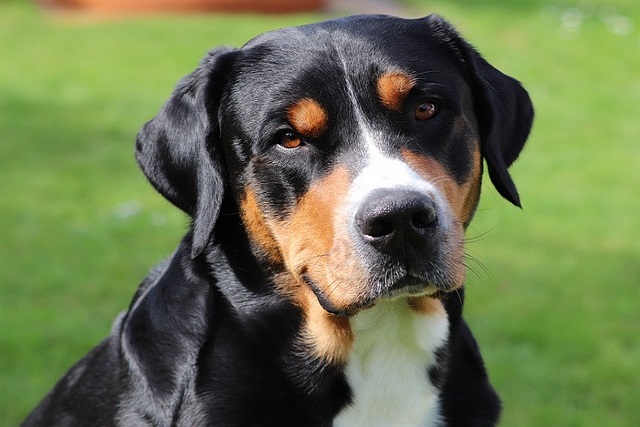
Let’s get real: You’re in your Miami apartment, watching your 3-year-old Corgi, Loki, struggle to climb the stairs to your second-floor unit.
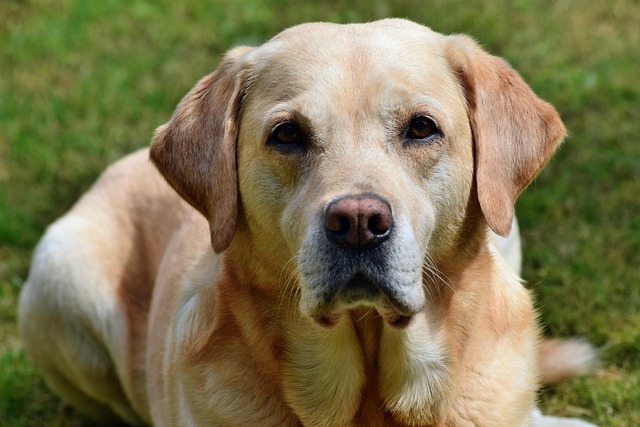
Many dog owners brush off occasional scratching as just “dog behavior,” but persistent itching often signals something more—like a food allergy.

You might first notice your dog scratching more than usual—chewing at their paws until the fur looks thin, or rubbing their face against the couch nonstop.
Let’s be real: You’re standing in your Chicago apartment, watching your 3-year-old Beagle, Max, huff and puff just to climb onto the couch.