
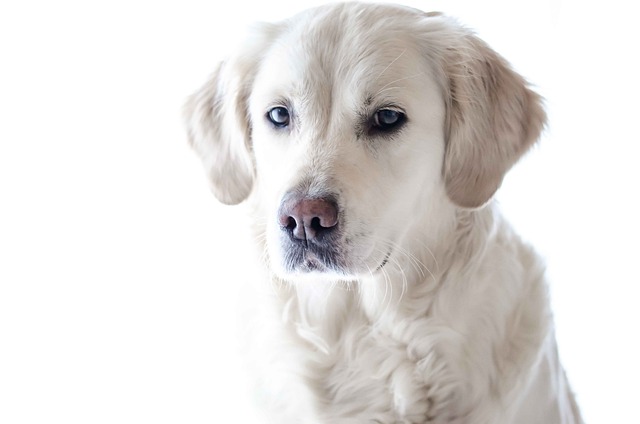
How can I tell if my dog's heatstroke is serious
Let’s be real: It’s a sticky August morning in Los Angeles, and you took your 2-year-old Golden Retriever, Max, for a walk a little later than usual
If you’ve ever watched your pup slip a little on your kitchen tile or noticed clumps of dirt stuck between their toes after a walk, you might be wondering if trimming their paw hair is necessary. The truth is, long paw hair isn’t just a cosmetic issue—it can trap debris, lead to painful matting, or even throw off their balance on smooth floors. For new dog owners, grabbing a pair of scissors might feel intimidating, but with a little patience, it’s a simple task you can do at home.
First, let’s break down why this matters for your dog’s comfort. When paw hair grows past the paw pads, it can act like a tiny “shoe” that catches on carpets or gets tangled with grass burrs during walks—something any dog parent who’s pulled a sticky burr from their pup’s toes knows is no fun. Behaviorally, dogs with overgrown paw hair might start avoiding certain surfaces (like hardwood floors) because they feel unsteady, which can limit their movement at home. This is especially important for apartment dwellers, where smooth floors are common.
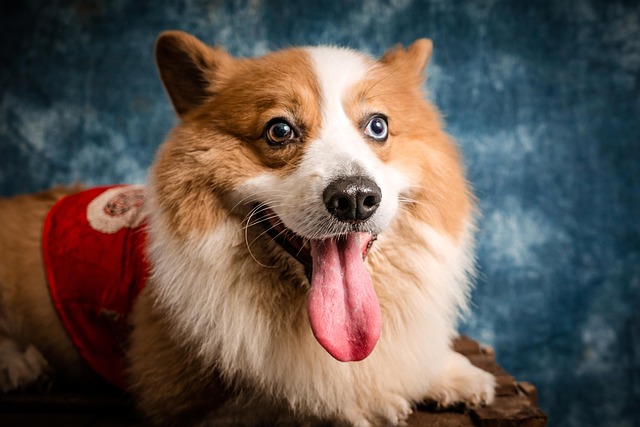 Now, let’s get to the steps for trimming dog paw hair with scissors. Start by gathering the right tools: a pair of small, rounded-tip grooming scissors (never sharp kitchen scissors—they’re too risky) and a towel to gently rest your dog’s paw on. Have a few treats handy too—positive reinforcement goes a long way here. Next, let your dog sniff the scissors to get comfortable, then lift one paw and gently spread their toes. Trim the hair that hangs past the paw pads, taking small snips—you can always trim more later, but you can’t undo a cut that’s too short. If your dog gets antsy, take a break; rushing will only make them nervous.
It’s also important to tie this to local norms and care habits. In many places, keeping your dog’s paws well-groomed ties into being a responsible pet owner—just like cleaning up after them on walks or keeping their vaccines up to date. Avoid any rough handling: physical correction isn’t just against most positive training guidelines; it can make your dog fear grooming time forever. Instead, if they wiggle, pause and give them a treat for calming down—this builds trust. For apartment dogs, regular paw trims also mean less dirt tracked onto carpets, which keeps your space cleaner and your pup happier.
Remember, every dog is different. Some might love sitting still for a paw trim, while others need shorter sessions. If you’re unsure about any step, or if your dog has very thick or matted paw hair, it’s okay to ask a professional groomer for help—they have the experience to make the process smooth. The goal isn’t perfection; it’s keeping your dog’s paws healthy and comfortable. With a little practice, trimming dog paw hair with scissors will become just another part of your regular care routine.
Let’s be real: It’s a sticky August morning in Los Angeles, and you took your 2-year-old Golden Retriever, Max, for a walk a little later than usual
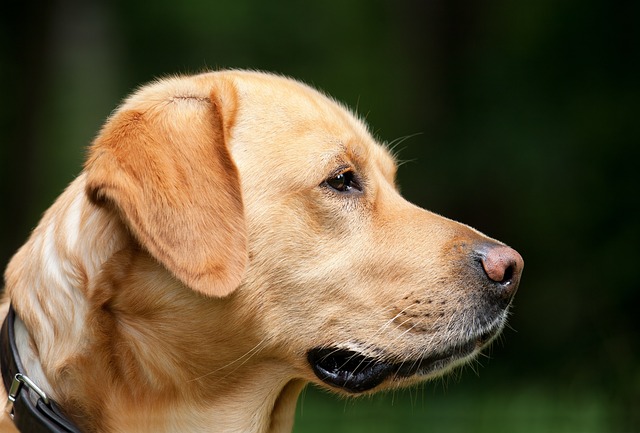
You're enjoying a summer afternoon at the park when you notice your dog has stopped panting and appears disoriented - their gums are bright red
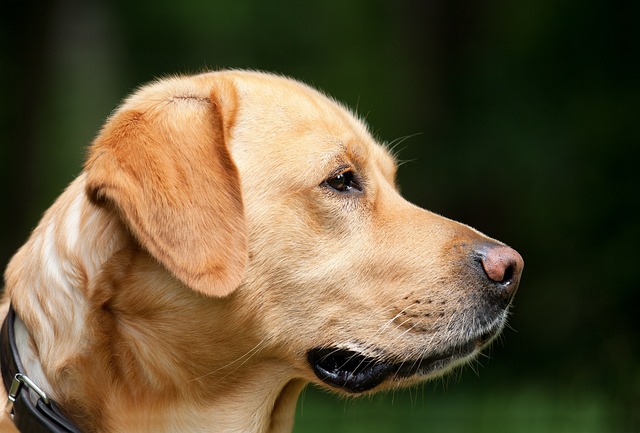
Let’s paint the picture: You’re in your Denver apartment, watching your 4-year-old Boston Terrier, Ruby, plop down mid-play session with her favorite toy

Many dog owners notice their pets nails seem shorter after regular walks,but how much does this daily activity actually help?The answer depends on where you walk—concrete sidewalks or asphalt streets gently file nails as a dog's paws hit the ground
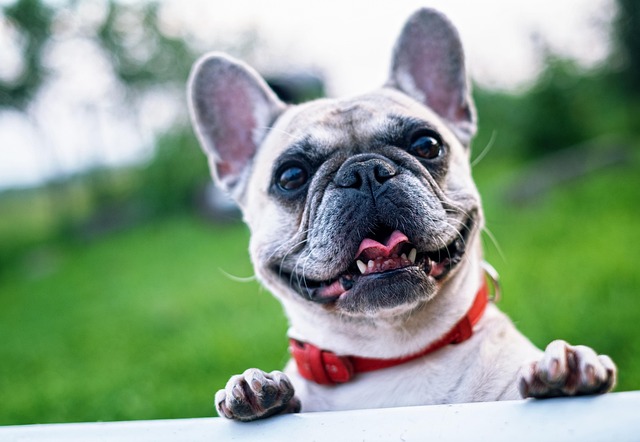
Most dog owners notice their pup scooting across the carpet at some point, but few connect it to impacted anal glands. These small sacs near a dog’s rectum secrete a scent for marking territory
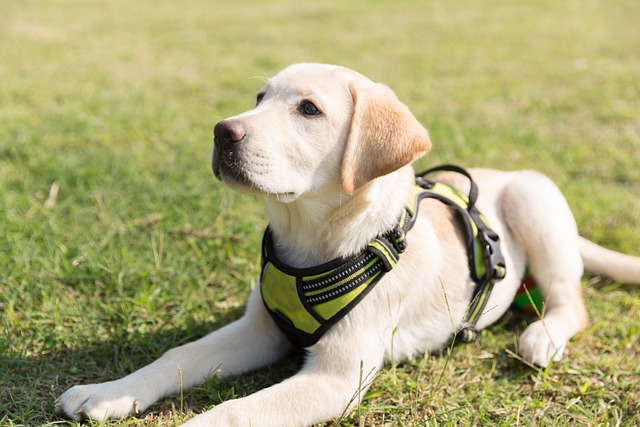
Most vets agree that regular dog teeth cleaning is key to avoiding painful dental issues later. For healthy adult dogs, a professional cleaning at the vet’s office every 12 to 18 months usually works well.