
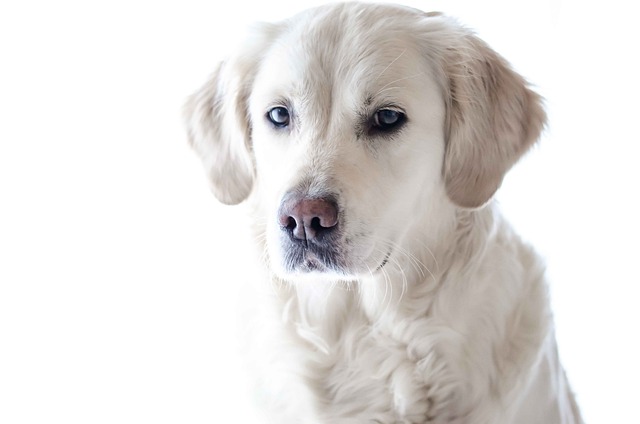
How can I tell if my dog's heatstroke is serious
Let’s be real: It’s a sticky August morning in Los Angeles, and you took your 2-year-old Golden Retriever, Max, for a walk a little later than usual
There’s something oddly intimidating about facing those thick, curled claws on a big dog who’s not too keen on having their paws handled. If you’re staring at your dog’s overgrown nails and wondering if you really need to load them into the car and head to a groomer, let me share a bit of reassurance: you can absolutely trim large overgrown dog nails at home, with the right approach and a dash of patience. Actually, learning how to safely trim overgrown dog nails at home isn’t just a way to save money—it’s a skill that can seriously improve your dog’s comfort, health, and confidence in you. But before jumping in, let’s talk about why those long nails are a bigger deal than they might seem.
When a dog’s nails get too long, every step becomes uncomfortable—sometimes even painful. You might notice your dog’s gait changing, or maybe they start slipping more on hardwood floors. Over time, those overgrown nails can force the toes apart, strain the joints, and even lead to chronic pain or injury. In severe cases, the quick (that sensitive, live part of the nail) grows longer right along with the nail, making it tricky to trim back without causing bleeding. While professional groomers are wonderful, the truth is, not every dog needs a trip to the salon for nail care. Many dogs, especially those with anxiety or mobility issues, do better at home, in their own safe space, with someone they trust holding the clippers.
So, let’s get practical. The first step in DIY dog nail care for overgrown nails is gathering your supplies. You’ll want a sturdy pair of clippers designed specifically for large dogs—think guillotine-style or heavy-duty scissor-style. Some folks swear by electric grinders or nail files, especially for smoothing edges and getting closer to the quick without the risk of cracking. I always recommend having styptic powder or a styptic pencil within arm’s reach... just in case you nick the quick. A flashlight can help if your dog has dark nails, making it easier to spot where the quick ends. Before you even touch a paw, find a spot where both you and your dog feel comfortable—maybe on a non-slip mat in the living room, or even outside on the porch if that’s your dog’s favorite place. The goal is to keep the atmosphere calm, without sudden movements or loud noises. Give yourself time to assess each nail. Look for signs of splitting, discoloration, or injuries. If a nail seems especially sensitive or damaged, you might want to leave it for your vet or a professional.
Now, about those gradual dog nail trimming techniques. The key word here is gradual. If your dog’s nails are really overgrown, you won’t be able to cut them down to a healthy length in one session—nor should you try. Instead, aim to trim just a tiny sliver from the tip of each nail. I mean, think the width of a dime or less. If you look at the nail from the side, you’ll often see a chalky, white ring around a darker center. Stop trimming as soon as you see that center getting closer; that’s the quick. Take a break between each paw, and if your dog gets antsy, reward them with a treat or a favorite toy. In cases where the quick has grown out with the nail, regular, incremental trims—maybe every five to seven days—will encourage the quick to recede over time. It’s not an overnight fix, but it’s the safest way to trim large overgrown dog nails without causing pain or bleeding. If you’re using a grinder, move slowly and avoid staying in one spot too long to prevent heat buildup.
Keeping your dog relaxed during this process is half the battle. Some dogs love having their paws handled, while others... not so much. You might be wondering, how do you keep a wriggly, anxious dog still? Start by handling your dog’s paws when you’re not trimming, just to build positive associations. Always speak in a calm, upbeat tone. Use treats as both a distraction and a reward—peanut butter on a lick mat works wonders. If your dog pulls away, don’t force things; give them a moment and try again. Watch for signs of stress: lip licking, yawning, trembling, or pulling the paw away. When you spot these, pause and offer comfort. Sometimes, it helps to have a helper gently hold your dog or offer treats, but never use force. Your goal is to make nail trims a non-event, not a battleground. Over time, most dogs will learn that nail trims mean good things happen.
Once you’ve managed to get those nails under control, maintaining healthy nails between trims is so much easier. Routine is your friend here. Check your dog’s nails every week or two, and keep up with regular, small trims rather than letting things get out of hand again. Walking your dog on rough surfaces like concrete can help wear nails down naturally, though not every dog will get enough abrasion from daily walks alone. If you notice sharp edges after clipping, a gentle nail file can smooth things out. And don’t forget to make nail care part of your overall grooming routine—pair it with brushing or ear cleaning so it becomes just another normal thing. The more consistently you trim, the shorter the quick will become, and the easier the process will be for both of you.
Honestly, trimming large overgrown dog nails at home can feel daunting at first, but with a bit of practice—and a lot of treats—it gets easier. You’ll be giving your dog the gift of comfortable, healthy paws, and strengthening the trust between you. Just remember: go slow, keep it positive, and don’t hesitate to call your vet if something doesn’t seem right. There’s no shame in asking for help, but you might just surprise yourself with what you and your dog can accomplish together.
Let’s be real: It’s a sticky August morning in Los Angeles, and you took your 2-year-old Golden Retriever, Max, for a walk a little later than usual

You're enjoying a summer afternoon at the park when you notice your dog has stopped panting and appears disoriented - their gums are bright red

Let’s paint the picture: You’re in your Denver apartment, watching your 4-year-old Boston Terrier, Ruby, plop down mid-play session with her favorite toy

Many dog owners notice their pets nails seem shorter after regular walks,but how much does this daily activity actually help?The answer depends on where you walk—concrete sidewalks or asphalt streets gently file nails as a dog's paws hit the ground
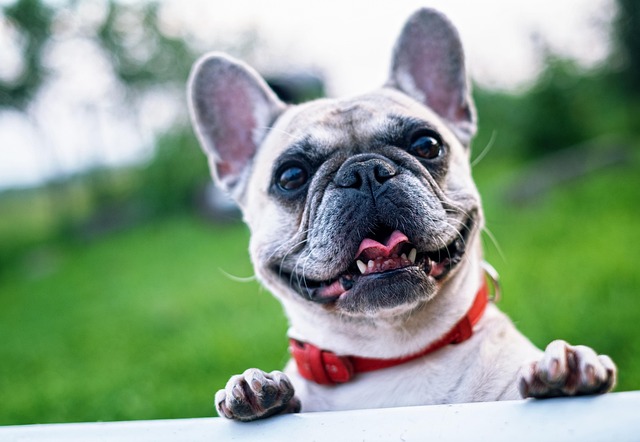
Most dog owners notice their pup scooting across the carpet at some point, but few connect it to impacted anal glands. These small sacs near a dog’s rectum secrete a scent for marking territory
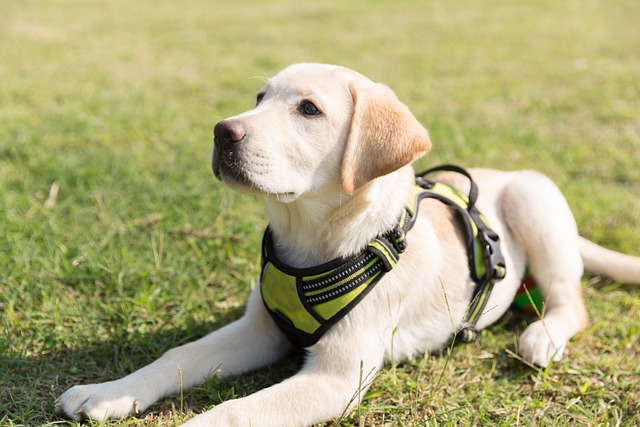
Most vets agree that regular dog teeth cleaning is key to avoiding painful dental issues later. For healthy adult dogs, a professional cleaning at the vet’s office every 12 to 18 months usually works well.