
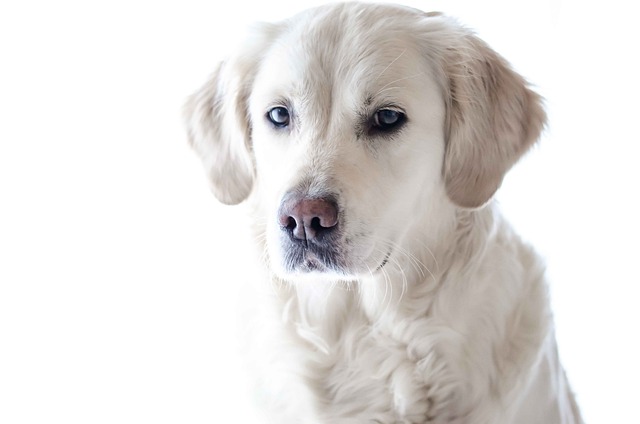
How can I tell if my dog's heatstroke is serious
Let’s be real: It’s a sticky August morning in Los Angeles, and you took your 2-year-old Golden Retriever, Max, for a walk a little later than usual
Every pet owner regards dogs as an important member of the family, and their health and happiness are always on our mind. In the critical moment when dogs cannot drink water on their own, learning to use a syringe to replenish them with water is like mastering a key to protect life. It is not only a professional maintenance skill, but also a reflection of our deep affection for dogs.
There are many reasons why dogs cannot drink water on their own, and illness is one of the most common factors. When dogs suffer from oral diseases, oral ulcers and pain caused by swollen gums will make them painful when swallowing, thus resisting drinking water; vomiting and diarrhea caused by gastrointestinal discomfort make them weak and lose interest in drinking water; and some systemic diseases, such as kidney disease and diabetes, will seriously affect the dog's body functions, causing them to become dehydrated but unable to drink water normally. In addition, elderly and weak dogs may also have difficulty drinking water due to the decline of various body functions. Faced with such a situation, the owner is full of anxiety and heartache, and wishes he could bear this pain for the dog, and feeding water with a syringe has become the most direct help we can do for them.
Before using a syringe to feed water to a dog, it is essential to make adequate preparations. First, you need to choose a suitable syringe. Generally speaking, a 5-10 ml medical syringe is more suitable. A syringe that is too small requires frequent extraction and water addition, which increases the difficulty of operation; a syringe that is too large is difficult to control the amount of water, which can easily cause the dog to choke on water. Before use, the syringe must be strictly cleaned and disinfected. It can be boiled in hot water for 5-10 minutes, or soaked in a special disinfectant to ensure that the syringe is clean and sterile to avoid bacterial infection and aggravate the dog's condition. At the same time, prepare drinking water at a suitable temperature. The water temperature should be close to the dog's body temperature, about 38-39 degrees Celsius. Too cold or too hot water will make the dog feel uncomfortable.
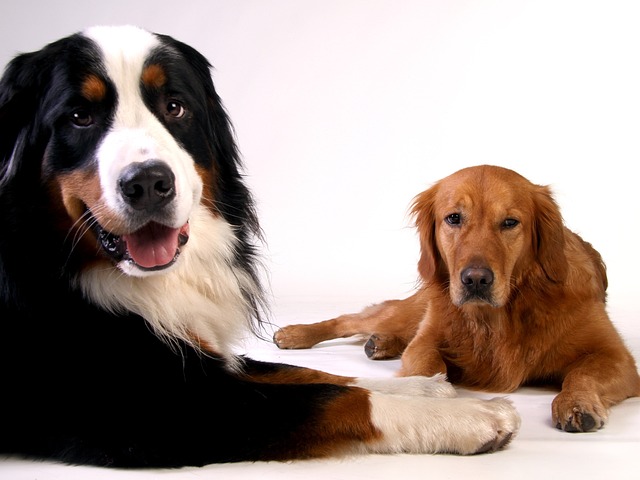 In the process of feeding water, establishing good interaction and trust with the dog is the basis for smooth progress. When a dog is unwell, his emotions tend to become sensitive and anxious, and he may resist unfamiliar operations. The owner can first gently stroke the dog's head and back, and soothe it in a gentle tone, so that it can feel the owner's love and sense of security. Hold the dog gently in your arms, or let it lie comfortably on the mat, and try to keep its body relaxed. If the dog is nervous, you can first put a finger with water to its mouth and let it lick it to get familiar with the taste of water and ease its resistance.
During the specific operation, hold the dog's head gently with one hand, and be careful not to use too much force to avoid making the dog feel uncomfortable or even struggling. Use your thumb and index finger to gently open the corner of the dog's mouth to form a small gap, slowly insert the tip of the syringe into the dog's mouth, and slowly inject water along the inside of the cheek. Never aim the syringe directly at the dog's throat to quickly inject water, which can easily cause the dog to choke on water, causing coughing, difficulty breathing, and even serious consequences such as aspiration pneumonia. The amount of water injected each time should not be too much, generally 0.5-1 ml is appropriate. Pause for a while after the injection to observe whether the dog swallows smoothly before the next injection. The whole process should be patient and meticulous, and pay close attention to the dog's reaction. Once it is found that it has abnormal conditions such as choking, struggling, etc., the injection should be stopped immediately, and the dog's back should be gently patted to help it relieve discomfort.
For some particularly resistant dogs, feeding water may be a long and difficult process. They may keep shaking their heads, struggling, and even whimpering. At this time, the owner must remain calm and patient. You can try to feed water in multiple times, injecting a small amount each time, and then continue after a period of time to give the dog enough time to adapt. You can also add a small amount of pet-specific nutrient solution or broth that the dog likes to the water to increase the attractiveness of the water, but be careful not to add too many irritating ingredients. In this process, every persistence of the owner and every gentle comfort is full of love and care for the dog.
When I see the dog gradually recover and regain vitality through our syringe feeding, the sense of accomplishment and joy is hard to describe in words. Feeding water to the dog with a syringe is not just a simple water replenishment operation. It is the owner's firm protection when the dog is most vulnerable; it is our action to interpret our love and responsibility for them.
Let’s be real: It’s a sticky August morning in Los Angeles, and you took your 2-year-old Golden Retriever, Max, for a walk a little later than usual
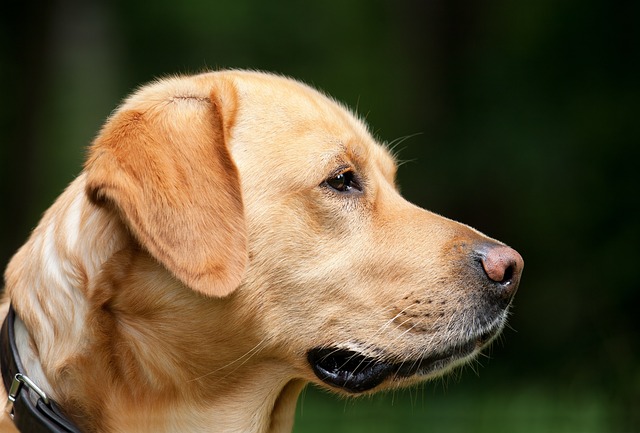
You're enjoying a summer afternoon at the park when you notice your dog has stopped panting and appears disoriented - their gums are bright red
Let’s paint the picture: You’re in your Denver apartment, watching your 4-year-old Boston Terrier, Ruby, plop down mid-play session with her favorite toy

Many dog owners notice their pets nails seem shorter after regular walks,but how much does this daily activity actually help?The answer depends on where you walk—concrete sidewalks or asphalt streets gently file nails as a dog's paws hit the ground
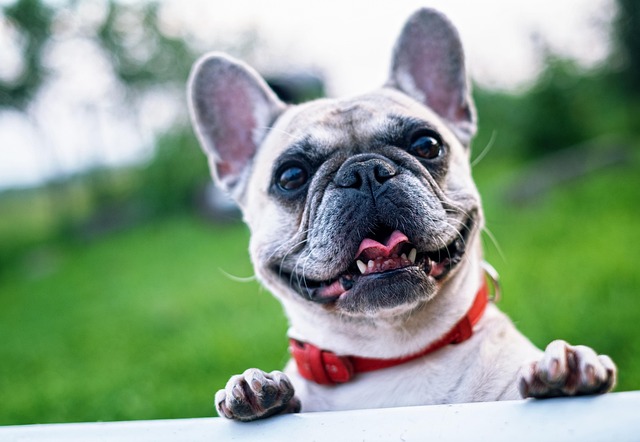
Most dog owners notice their pup scooting across the carpet at some point, but few connect it to impacted anal glands. These small sacs near a dog’s rectum secrete a scent for marking territory
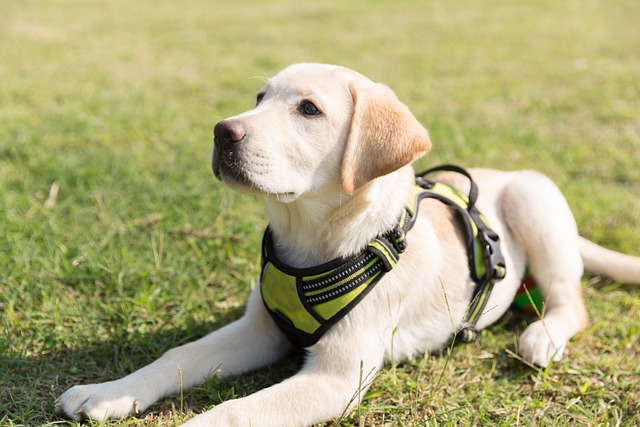
Most vets agree that regular dog teeth cleaning is key to avoiding painful dental issues later. For healthy adult dogs, a professional cleaning at the vet’s office every 12 to 18 months usually works well.