
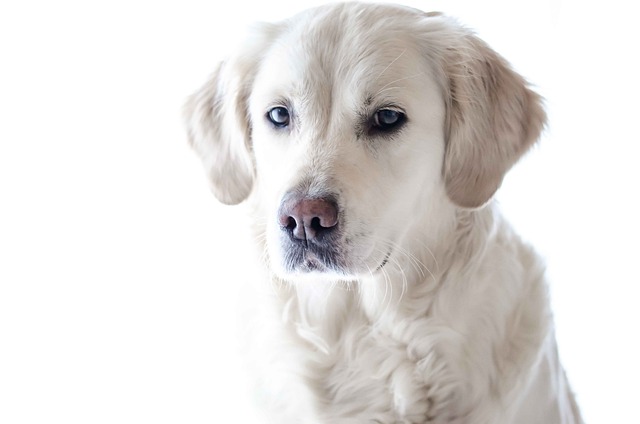
How can I tell if my dog's heatstroke is serious
Let’s be real: It’s a sticky August morning in Los Angeles, and you took your 2-year-old Golden Retriever, Max, for a walk a little later than usual
Tired of your pup turning walks into a tug-of-war? Leash pulling isn’t just exhausting—it risks fines under local leash laws and harms your dog’s neck. The good news? Simple wrapping techniques, paired with patience, can transform chaotic outings into calm adventures. Let’s explore how.
Dogs pull due to excitement or instinct, but most Western countries require leashed control in public. Pulling endangers them (traffic, other animals) and violates laws that demand manageable behavior. The key? Teach your dog walking beside you is more rewarding than lunging.
Start with the short leash wrap: When your dog pulls, stop moving. Hold the leash in your dominant hand, leaving 12-18 inches of slack. Wrap the loose leash once around your palm to shorten the grip, bringing them close. No yanking—this calm cue signals pulling halts progress. Reward with "let’s go" and a treat when they relax beside you.
For intense pullers, try the figure-eight wrap: Create a loop over your palm and thumb, pass the leash under, forming an eight shape. This gives control without choking. Skip choke chains (discouraged by animal welfare guidelines) – opt for chest harnesses that distribute pressure safely instead.
 Consistency matters. Practice daily in quiet areas, like your yard, for 10-15 minutes. Gradually add distractions (joggers, dogs) while staying within leash length laws (often 6 feet max in public parks). Compliance keeps walks legal and safe.
Positive reinforcement is key: Praise warmly and treat when they walk calmly. Avoid scolding—anxiety worsens pulling. Use a clicker or "yes!" to mark good behavior, building a positive association with walking by your side.
Retractable leashes? Handy but banned in crowded spots due to risks. If using one, master locking the handle quickly when they bolt. Always check local rules—many cities fine retractable leash use in busy areas, preferring fixed leashes for control.
Pair wraps with a no-pull harness for strong pullers. Front-clip harnesses redirect momentum; when they pull, wrap the leash, say "this way," and reward when they turn toward you. It’s a team effort that builds trust over time.
Mind your body language: Relaxed posture and a loose grip (until wrapping) keep energy calm. Change directions randomly to keep your dog attentive—key for respecting others’ space.
Avoid common mistakes: Don’t wrap too tight (neck strain) or quit early. Training varies—some dogs improve in a week, others a month. Struggling? Consult a certified, force-free trainer (standard in many countries for ethical practice).
Leash wrapping builds communication, not just control. Combine techniques, reinforce positively, and follow local laws for walks that are safe, enjoyable, and compliant. Celebrate small wins—soon, you’ll both love stress-free outings. Your arms (and your pup’s neck) will thank you!
Let’s be real: It’s a sticky August morning in Los Angeles, and you took your 2-year-old Golden Retriever, Max, for a walk a little later than usual
You're enjoying a summer afternoon at the park when you notice your dog has stopped panting and appears disoriented - their gums are bright red
Let’s paint the picture: You’re in your Denver apartment, watching your 4-year-old Boston Terrier, Ruby, plop down mid-play session with her favorite toy

Many dog owners notice their pets nails seem shorter after regular walks,but how much does this daily activity actually help?The answer depends on where you walk—concrete sidewalks or asphalt streets gently file nails as a dog's paws hit the ground
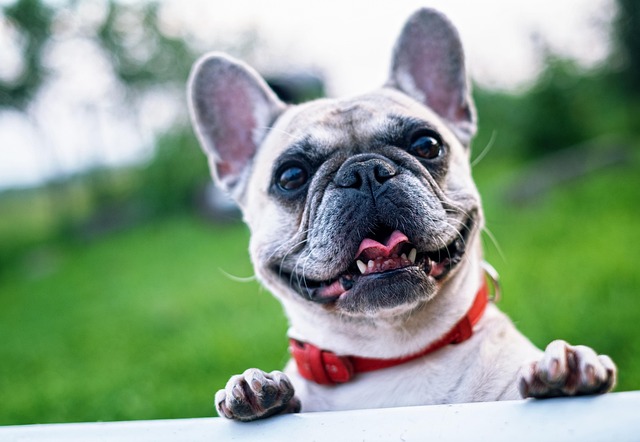
Most dog owners notice their pup scooting across the carpet at some point, but few connect it to impacted anal glands. These small sacs near a dog’s rectum secrete a scent for marking territory
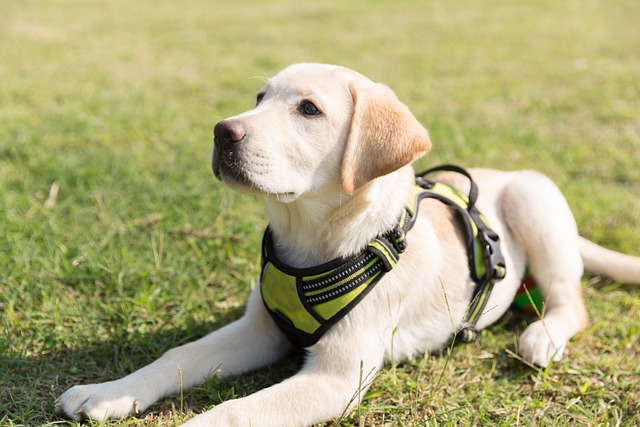
Most vets agree that regular dog teeth cleaning is key to avoiding painful dental issues later. For healthy adult dogs, a professional cleaning at the vet’s office every 12 to 18 months usually works well.