
What is glaucoma in a dog?
You might notice your dog squinting more at mealtime or avoiding bright sunlight—these small changes could be early signs of a serious eye condition.
Every dog owner has experienced that moment of panic when their beloved companion suddenly seems "off." But when it comes to bloat, also known as Gastric Dilatation-Volvulus (GDV), those subtle behavioral changes you might initially dismiss could literally be a matter of life and death. This isn't your typical upset stomach or the result of eating too quickly – bloat is one of the most serious emergency conditions that can affect dogs, and understanding how a dog acts with bloat could save your furry family member's life.
Actually, what makes bloat so dangerous is how quickly it progresses. Within hours, a dog can go from showing mild discomfort to being in critical condition. The stomach fills with gas and potentially twists, cutting off blood supply to vital organs. Large breed dogs like German Shepherds, Great Danes, and Golden Retrievers are particularly susceptible, though any dog can develop this condition. For American pet owners who often view their dogs as family members, recognizing these early warning signs becomes absolutely crucial.
Here's what many veterinarians wish more dog owners understood: the dramatic symptoms we often associate with bloat – like obvious distended abdomen or collapse – represent the later stages of this condition. By the time you notice these severe signs, precious time has already been lost. The real key lies in recognizing those subtle, early behavioral changes that might seem insignificant at first glance.
Most people expect bloat to be immediately obvious, but dogs experiencing early stages often display surprisingly subtle dog bloat symptoms. You might notice your dog seems restless, unable to settle in their usual favorite spots. They may pace around the house, moving from room to room without any clear purpose. This restlessness isn't the excited energy of wanting to play or go for a walk – it's an uncomfortable, anxious type of movement that feels different from their normal behavior patterns.
The challenge for many American dog owners is that these early signs can easily be mistaken for other common issues. A dog who's pacing might simply seem bored, especially if you've been working long hours and haven't provided their usual exercise routine. That slight change in posture might look like they're just tired from a busy day at the dog park. However, when you know what to look for, these subtle behavioral indicators become much more telling.
When a dog begins experiencing the early stages of bloat, their behavior often reflects the growing discomfort in their abdomen. You might notice them repeatedly looking back at their belly or sides, sometimes with a confused or concerned expression. They may attempt to lie down, only to immediately get back up again, unable to find a comfortable position. This cycle of trying to rest but being unable to settle is one of the most reliable early signs of bloat in dogs.
Drooling becomes another significant indicator, though it's often more subtle than you might expect. Rather than the dramatic, excessive drooling you might see with other conditions, dogs with early bloat often produce thick, ropey saliva that seems to stick around their mouth. They may swallow frequently, and you might notice them licking their lips more than usual. These behaviors reflect the nausea and discomfort building in their digestive system.
Perhaps one of the most concerning signs is when a dog attempts to vomit but produces nothing – not even liquid. This dry heaving or retching motion is technically called unproductive vomiting, and it's a classic symptom of bloat. The dog's body is trying to relieve the pressure in their stomach, but because of the gas buildup and potential twisting, nothing can come up. American dog owners often describe this as their dog seeming like they need to throw up but "can't quite manage it."
Changes in appetite provide another crucial clue about how to recognize dog bloat behavior. A dog experiencing early bloat typically shows complete disinterest in food, even treats that would normally drive them wild with excitement. They might approach their food bowl, sniff, and then walk away without eating. Some dogs may take a few bites but then stop abruptly, as if eating has become uncomfortable or even painful.
Body language speaks volumes during these early stages. Dogs with bloat often adopt a characteristic "prayer position" – front legs stretched out low while their rear end remains elevated. This position seems to provide some relief from the abdominal pressure they're experiencing. You might also notice them standing with their back slightly arched or hunched, creating more space in their abdominal cavity.
The breathing pattern changes as well, though this can be easy to miss if you're not paying close attention. Dogs with developing bloat often breathe more rapidly or shallowly than normal, even when they haven't been exercising. This reflects both the physical discomfort and the body's response to the internal stress of the condition.
What makes early recognition so critical is the rapid progression of this condition. In the veterinary world, we often say that bloat is a "race against time" emergency. Once the stomach begins to twist, blood flow to major organs becomes compromised. Dogs can go into shock, and without immediate surgical intervention, the condition can become fatal within hours.
American pet owners need to understand that this isn't a condition where you can "wait and see" how things develop overnight. The window for successful treatment is relatively narrow, and the difference between catching it early versus waiting too long can literally determine whether your dog survives. Emergency veterinary hospitals across the United States see cases where owners wish they had acted sooner on those subtle warning signs.
The financial implications also matter for many families. Early intervention typically involves stabilizing the dog and performing surgery to untwist the stomach and secure it in place. While this is certainly expensive, it's far less costly than dealing with the complications that arise when bloat progresses to advanced stages, including potential organ damage or the need for more extensive surgical procedures.
So what should you do if you notice these subtle dog bloat warning signs? First, don't second-guess yourself. Trust your instincts about your dog's behavior – you know them better than anyone else. If something feels "off," especially if multiple symptoms align, it's better to err on the side of caution.
Remove all food and water immediately. While this might seem counterintuitive, especially if your dog seems interested in drinking, consuming anything can worsen the condition. The goal is to prevent adding any additional material to an already compromised digestive system.
Contact your veterinarian or emergency animal hospital right away. When you call, specifically mention that you're concerned about possible bloat. This helps the veterinary team prepare for your arrival and can expedite the triage process. Many emergency clinics have protocols in place for suspected bloat cases because they understand the time-sensitive nature of the condition.
During transport to the veterinary hospital, keep your dog as calm and comfortable as possible. Avoid excessive handling or forcing them into uncomfortable positions. Some dogs find car rides stressful under normal circumstances, and the added discomfort of bloat can make travel even more challenging.
Monitor your dog continuously during the trip. If their condition worsens rapidly – if they collapse, become unresponsive, or their gums turn pale or blue – call ahead to let the veterinary team know you're dealing with a critical emergency. This information helps them prepare for immediate intervention upon your arrival.
For American dog owners, it's worth noting that not all veterinary clinics are equipped to handle bloat surgery, especially during overnight hours or weekends. Larger emergency hospitals and veterinary specialty centers typically have the facilities and surgical expertise needed for these cases. Don't hesitate to ask about capabilities when you call, and be prepared to travel to a facility that can provide the necessary care.
Prevention strategies can also play a role in your dog's long-term health. While bloat can't always be prevented, certain management practices can reduce risk. These include feeding smaller, more frequent meals instead of one large daily meal, avoiding vigorous exercise immediately before and after eating, and using elevated food bowls with caution, as some studies suggest they may actually increase risk in certain breeds.
Understanding how a dog acts with bloat empowers you to be your pet's best advocate during a medical emergency. Those subtle behavioral changes – the restlessness, the unsuccessful attempts to vomit, the changes in posture and appetite – these are your dog's way of communicating that something is seriously wrong. By recognizing these early signs and acting quickly, you're giving your beloved companion the best possible chance for a full recovery.
Remember, veterinary professionals are trained to handle these emergencies, but they rely on pet owners to recognize when something isn't right. Your quick action and careful observation of your dog's behavior can make all the difference in ensuring they receive the life-saving treatment they need. When in doubt, don't hesitate to seek professional help – your dog's life may depend on it.
You might notice your dog squinting more at mealtime or avoiding bright sunlight—these small changes could be early signs of a serious eye condition.
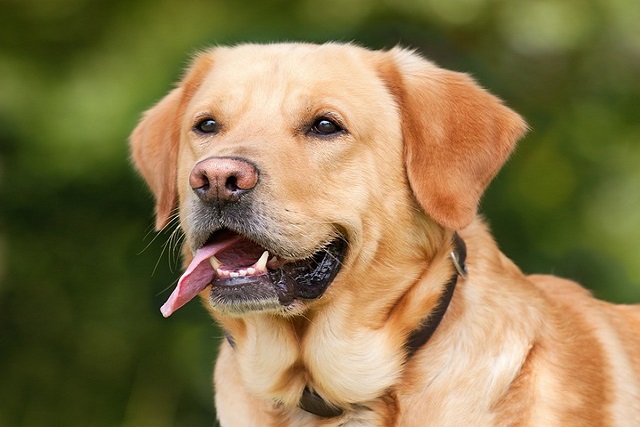
Let’s set the scene: It’s a sweltering Phoenix afternoon—105°F outside—and you rushed your 2-year-old Lab mix, Cooper, on a quick walk to “get it over with.”

Let’s get real: You’re in your Miami apartment, watching your 3-year-old Corgi, Loki, struggle to climb the stairs to your second-floor unit.
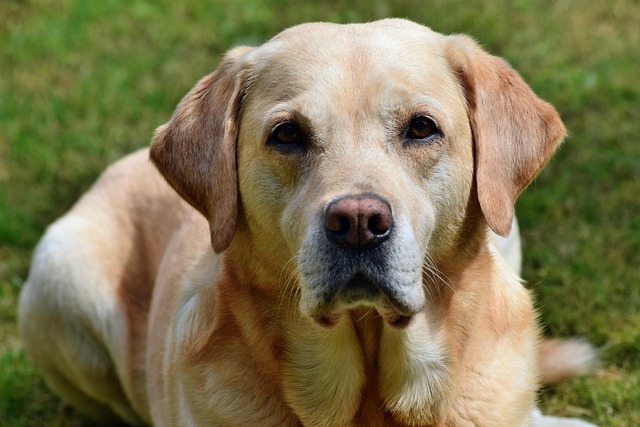
Many dog owners brush off occasional scratching as just “dog behavior,” but persistent itching often signals something more—like a food allergy.

You might first notice your dog scratching more than usual—chewing at their paws until the fur looks thin, or rubbing their face against the couch nonstop.

Let’s be real: You’re standing in your Chicago apartment, watching your 3-year-old Beagle, Max, huff and puff just to climb onto the couch.