
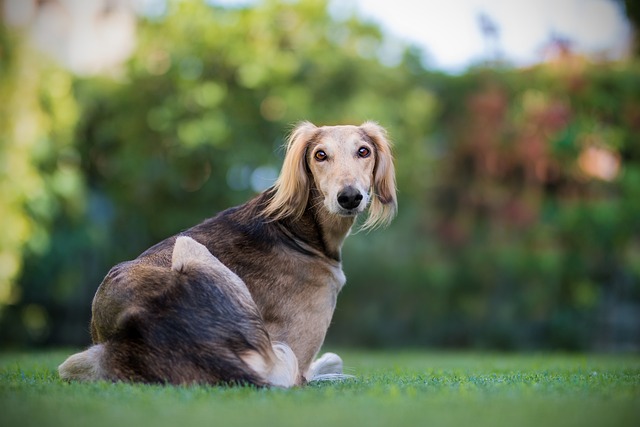
How do i train my dog to be obedient?
Watching your dog dart across the park ignoring your calls isn’t just frustrating—it can put them at risk near busy streets or public spaces.
Imagine bringing home your energetic Labrador puppy, Luna, visions of impressive tricks dancing in your head – rolling over, playing dead, maybe even fetching your slippers! It’s tempting to jump straight into the fun stuff. But trying to teach "shake" before Luna reliably understands "sit" is like trying to build the roof before laying the foundation. The order in which you teach tricks isn't random; it's rooted in canine learning psychology and sets your pup up for success, preventing frustration for both of you.
Think of dog training like building blocks. You start with the fundamental skills that create stability and communication. Animal behaviorists, like those at the Karen Pryor Academy, emphasize mastering foundational obedience skills first. This means teaching your pup that paying attention to you (name recognition, eye contact) is incredibly rewarding before anything else. Next comes a rock-solid recall ("come"), arguably the most critical safety behavior, especially near roads or parks. Then, stationary commands like "sit" and "stay" form the basis for countless tricks and real-world manners. Why? Because these skills build impulse control and teach Luna that listening to you yields fantastic rewards, creating a willing learner. Skipping these is like asking a toddler to solve algebra before learning to count.
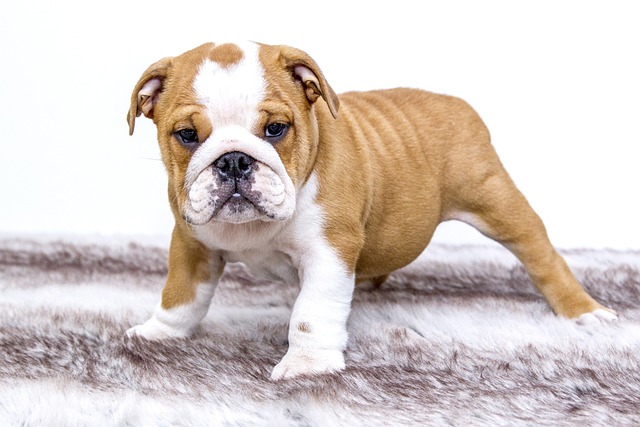
So, how do you translate this into a practical training plan? Start simple in a low-distraction environment like your living room. Day one might be just rewarding Luna every single time she glances at you, pairing it with her name. Once she consistently offers attention, introduce "sit" using a lure (a treat guiding her nose up and back). Practice short, joyful sessions – 3-5 minutes max. Only when "sit" is instant and reliable (say, 9 times out of 10 in your kitchen) do you layer on "stay," beginning with just a second or two. Then, build complexity: add duration to "stay," then distance, then distractions. Tricks like "shake," "down," or "spin" come after these foundations are solid. Remember Mike from Chicago? He struggled teaching his rescue Shepherd "roll over" until they mastered "down-stay" first; suddenly, the complex trick clicked because Luna understood holding position. This structured approach embodies effective dog trick sequence.
While shaping Luna into a trick superstar, remember the broader context of responsible US dog ownership. Positive reinforcement training isn't just the kindest method; it aligns with modern animal welfare ethics and is culturally expected. Harsh corrections or dominance-based methods are widely rejected and can damage your bond. Legally, before enrolling Luna in that fun group trick class at the local community center, ensure her vaccinations, especially rabies (mandatory in all states!), are current. Always carry proof during walks. Speaking of walks, mastering "leave it" (a crucial early skill!) helps avoid scavenging hazards, and always carry bags to scoop her poop immediately – local ordinances in places like Seattle or Austin enforce strict clean-up laws with hefty fines. Apartment dwellers, be mindful of noise during energetic trick sessions; training a "quiet" cue early is invaluable. Practice polite leash walking skills ("heel" variations build on "stay") in your apartment hallway before hitting busy sidewalks, respecting neighbors and other pedestrians. Using a leash in public spaces isn't just courteous; it's often the law outside designated off-leash zones.
Teaching tricks in the right order transforms training from a chore into a delightful bonding experience. By building that strong foundation of trust and communication through positive reinforcement training, you empower Luna to learn confidently. Starting simple, celebrating small wins, and layering skills methodically creates a happy, well-mannered companion capable of amazing things – safely and respectfully integrated into your community.
Watching your dog dart across the park ignoring your calls isn’t just frustrating—it can put them at risk near busy streets or public spaces.
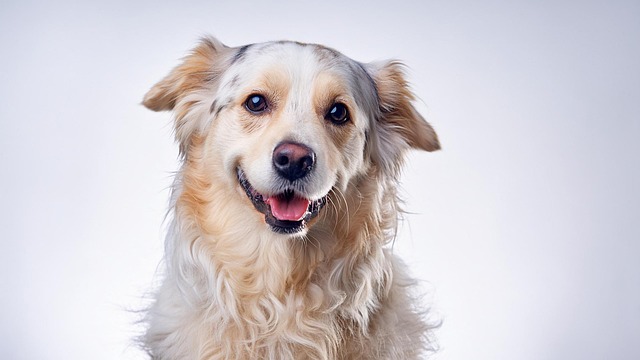
New puppy owners often find themselves rushing to clean up accidents before they set in, and that’s where puppy pad training becomes a game-changer.
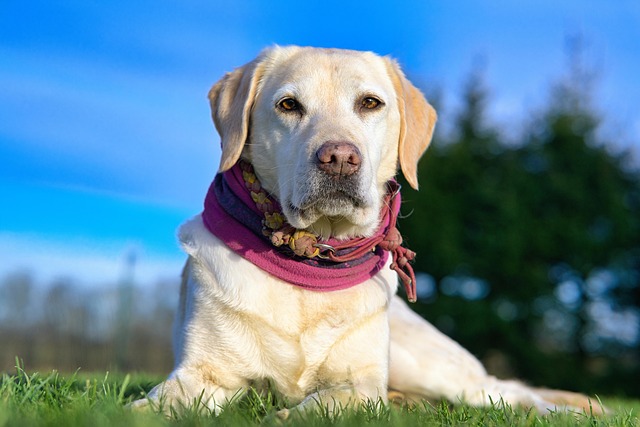
If you've noticed your dog's waistline disappearing and your veterinarian has mentioned those few extra pounds, your first instinct might be to simply reduce the amount of food in their bowl.

Training a dog to use a designated spot indoors isn’t as daunting as many new owners fear, but it does take consistency and an understanding of your pet’s needs.
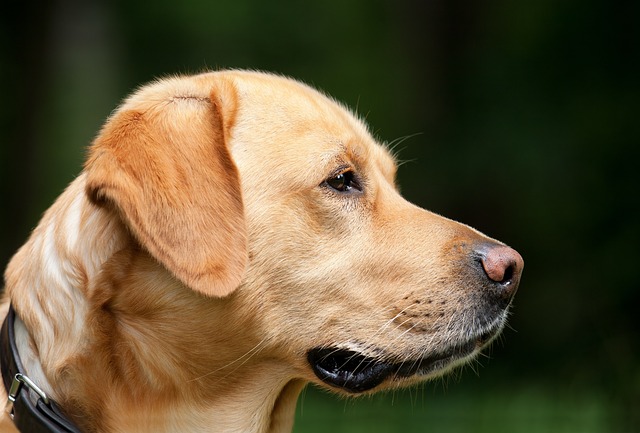
That moment of dread on a walk is all too familiar for many new dog owners. You see another dog approaching down the sidewalk of your neighborhood
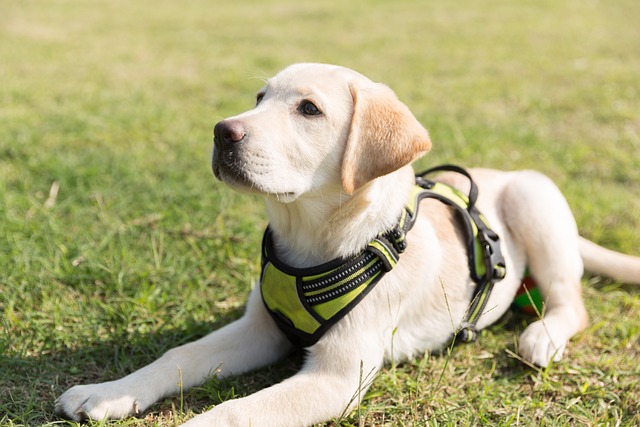
If the sight of another dog on your neighborhood walk makes your heart sink as your own dog erupts into a frenzy of barking and lunging, you're not alone.