

How do i train my dog to be obedient?
Watching your dog dart across the park ignoring your calls isn’t just frustrating—it can put them at risk near busy streets or public spaces.
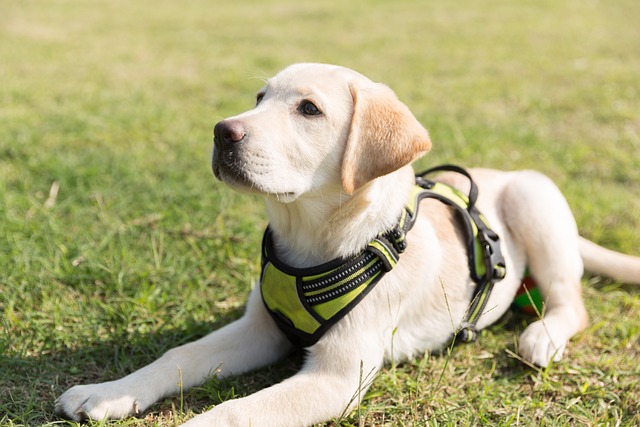
When Sarah picked up her eight-week-old Labrador puppy Max from the breeder, she'd heard the same thing from everyone: "You're so lucky! Labs are the easiest dogs to train." Six months later, as Max bounded through her living room with muddy paws, completely ignoring her "sit" command for the third time that morning, Sarah wondered if she'd somehow gotten a defective Labrador. The truth is, while Labradors consistently rank among the most intelligent and trainable breeds, the reality of training a Labrador Retriever is far more nuanced than popular belief suggests.
Labrador Retrievers possess a unique combination of traits that can work both for and against training efforts. Their legendary food motivation stems from centuries of selective breeding for dogs who would work tirelessly alongside hunters, often in harsh conditions where high caloric needs were essential for survival. This same drive that makes them respond enthusiastically to treat-based training can also lead to counter-surfing, garbage raiding, and an almost comical ability to find food in the most unlikely places. Understanding this biological imperative helps explain why your Lab might master "sit" in record time when treats are involved, yet seem selectively deaf when called away from something interesting in the park.
Their retrieving instincts present another fascinating training dynamic. Labs were bred to have "soft mouths" for carrying game birds without damage, which translates to a natural tendency to pick up and carry objects. However, this same instinct can manifest as destructive chewing during puppyhood or an obsessive need to carry something during walks. Many new Lab owners mistake this natural behavior for defiance, when it's actually an opportunity to channel innate abilities into positive training outcomes.
The social nature of Labradors creates both advantages and challenges in training scenarios. Their eagerness to please and strong pack drive makes them highly responsive to positive reinforcement and family dynamics. Yet this same social orientation can make them easily distracted by other dogs, people, or environmental stimuli during training sessions. A Lab might perform flawlessly in the quiet of your backyard but seem to forget everything they've learned the moment they encounter another dog at the local park.
Despite their reputation for trainability, Labrador owners frequently report specific challenges that can test even experienced dog handlers. Their high energy levels mean that insufficient physical and mental stimulation often manifests as training regression or selective hearing. A tired Lab is a trainable Lab, but achieving that balance requires more than a quick walk around the block. Labs need purposeful exercise that engages both their bodies and minds, whether through retrieval games, swimming, or structured training sessions that incorporate physical activity.
Many owners underestimate the mental stimulation requirements of this intelligent breed. Labs were bred to work independently in challenging environments, making decisions about bird retrieval while maintaining focus on their handler's directions. Modern pet Labs still possess this working intelligence, and without appropriate outlets, they often create their own entertainment through behaviors owners find problematic. This might manifest as excessive barking, digging, or the dreaded teenage phase where a previously well-trained young adult suddenly seems to forget all their manners.
The consistency factor in Labrador Retriever training tips cannot be overstated, particularly given their social intelligence. Labs are masters at reading human behavior and will quickly identify which family members enforce rules and which ones offer easier paths to desired outcomes. If one person allows jumping on the couch while another forbids it, your Lab will learn to be selectively obedient based on who's present. This isn't stubbornness—it's intelligence applied to understanding household dynamics.
Effective training strategies for Labs must account for their unique learning style and energy requirements. Short, frequent training sessions work better than lengthy ones, as Labs can become overstimulated or lose focus during extended periods. Incorporating training into daily activities—practicing "wait" before meals, "sit" before going through doors, or recall during play sessions—helps reinforce learning without feeling like work for either dog or owner.
The timing of rewards matters significantly with Labs due to their high food drive and quick thinking. Delayed rewards can confuse the association between behavior and consequence, while immediate positive reinforcement creates clear learning pathways. This is particularly important when learning how to train a Labrador puppy, as early experiences shape lifelong habits and responses.
Environmental management plays a crucial role in successful Lab training. Removing temptations rather than constantly correcting behavior sets both dog and owner up for success. This might mean securing garbage cans, putting shoes away, or using baby gates to manage access to certain areas during the training process. Remember, in many American communities, there are legal requirements for cleaning up after your dog in public spaces, and a well-trained Lab who responds reliably to basic commands makes these responsibilities much easier to manage.
Positive reinforcement aligns perfectly with both effective dog training principles and American cultural values around animal welfare. Using punishment-based methods not only violates many local ordinances regarding animal treatment but also tends to backfire with Labs, who may become anxious or shut down rather than learning desired behaviors. Labs respond exceptionally well to praise, play, and food rewards, making positive training methods both ethically sound and practically effective.
Long-term success in training Labs requires understanding that learning is an ongoing process rather than a destination. Even well-trained adult Labs benefit from regular practice sessions, new challenges, and continued mental stimulation. Labrador behavioral traits and training needs evolve throughout their lives, from the boundless energy of puppyhood through the more settled patterns of their senior years.
Consistent training for Labradors also means adapting techniques as your dog matures and your relationship deepens. What works for a six-month-old puppy may need modification for a two-year-old adolescent going through their independent phase. Successful Lab owners learn to read their dog's individual personality, energy levels, and learning style, adjusting their approach accordingly while maintaining core expectations and boundaries.
The investment in proper training pays dividends throughout your Lab's life, typically twelve to fourteen years of companionship. A well-trained Lab becomes not just a pet but a true family member who can safely accompany you on adventures, interact appropriately with community members, and serve as an ambassador for responsible dog ownership. The initial time and effort spent establishing clear communication and expectations creates a foundation for a relationship built on mutual respect and understanding, making those early training challenges seem like a small price for years of joy and partnership.
Watching your dog dart across the park ignoring your calls isn’t just frustrating—it can put them at risk near busy streets or public spaces.

New puppy owners often find themselves rushing to clean up accidents before they set in, and that’s where puppy pad training becomes a game-changer.

If you've noticed your dog's waistline disappearing and your veterinarian has mentioned those few extra pounds, your first instinct might be to simply reduce the amount of food in their bowl.

Training a dog to use a designated spot indoors isn’t as daunting as many new owners fear, but it does take consistency and an understanding of your pet’s needs.

That moment of dread on a walk is all too familiar for many new dog owners. You see another dog approaching down the sidewalk of your neighborhood
If the sight of another dog on your neighborhood walk makes your heart sink as your own dog erupts into a frenzy of barking and lunging, you're not alone.