

How do i train my dog to be obedient?
Watching your dog dart across the park ignoring your calls isn’t just frustrating—it can put them at risk near busy streets or public spaces.
Is it okay to send your dog away for training? If you’re a new dog parent in the US, staring at a chewed couch or struggling to get your pup to “sit” amid their zoomies, this question might weigh on you. Maybe your schedule’s packed with work, or you’re feeling overwhelmed by their jumping on guests. The short answer: it can be—but only if you choose the right program and stay involved. Let’s break down what you need to know.
Dogs learn through consistent patterns, but they also thrive on bonding with their humans. Animal behaviorists call this “social learning”—they pick up cues from the people they trust most. A good boarding training program uses positive reinforcement (think treats, praise, play) to teach skills like “stay” or loose-leash walking, which aligns with how dogs best absorb lessons. But here’s the catch: if you don’t reinforce those skills at home, your pup might forget them. It’s like sending a kid to math camp but never practicing at home—progress fades fast.
So, how to make it work? First, vet the trainer rigorously. Ask if they use punishment (yelling, shock collars)—if yes, walk away. In the US, reputable programs stick to positive methods, as 体罚 is widely seen as inhumane and counterproductive. Look for certifications from organizations like the CCPDT, and ask to sit in on a session. My coworker sent her energetic Lab, Bear, to a program that required her to attend weekly classes too—by the end, Bear not only obeyed commands but responded best to her cues, not just the trainer’s. Start with short stays (2–4 weeks) for basics; longer programs rarely beat consistent home practice.
Now, let’s tie in real-world rules. Any reputable trainer will ask for proof of current rabies vaccines—non-negotiable, as states like Texas fine owners who skip this. When your trained pup comes home, remember: public poop cleanup is still your job. Even a well-behaved dog needs you to carry bags; cities like Atlanta hit offenders with $150 fines, and it’s part of being a good neighbor.
Culturally, avoid programs that isolate dogs for hours. Socialization with other pups (and people) is key, but forced interactions can backfire. Instead, ask for daily playtime reports—your dog should be happy, not stressed. For apartment dwellers, ensure training includes “quiet time” skills; a dog that barks less at neighbors or waits politely for elevators fits better in shared spaces. And when you hit the park, their new “leave it” command will keep them from pestering other dogs—good etiquette goes a long way.
Sending your dog away can jumpstart training, but it’s not a magic fix. Pair it with home practice, trust your gut about the trainer, and remember: the goal is a bond where you and your pup understand each other. With that, those frustrating days will turn into proud ones.
Watching your dog dart across the park ignoring your calls isn’t just frustrating—it can put them at risk near busy streets or public spaces.

New puppy owners often find themselves rushing to clean up accidents before they set in, and that’s where puppy pad training becomes a game-changer.

If you've noticed your dog's waistline disappearing and your veterinarian has mentioned those few extra pounds, your first instinct might be to simply reduce the amount of food in their bowl.

Training a dog to use a designated spot indoors isn’t as daunting as many new owners fear, but it does take consistency and an understanding of your pet’s needs.

That moment of dread on a walk is all too familiar for many new dog owners. You see another dog approaching down the sidewalk of your neighborhood
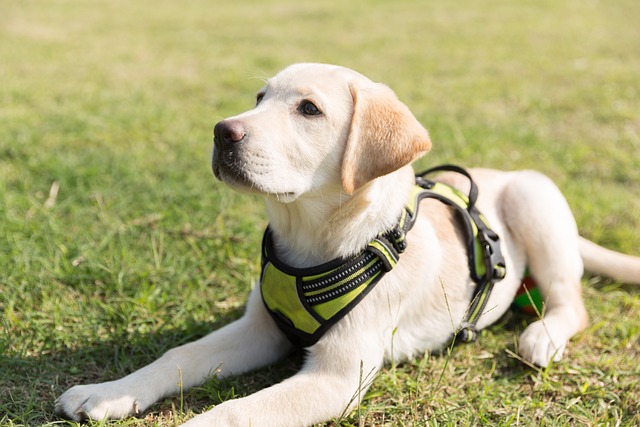
If the sight of another dog on your neighborhood walk makes your heart sink as your own dog erupts into a frenzy of barking and lunging, you're not alone.