
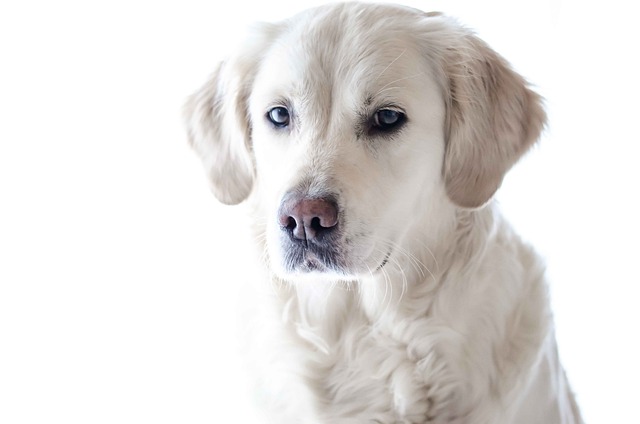
How can I tell if my dog's heatstroke is serious
Let’s be real: It’s a sticky August morning in Los Angeles, and you took your 2-year-old Golden Retriever, Max, for a walk a little later than usual
Watching a puppy that is usually lively and enthusiastic about food become listless and lose its appetite due to diarrhea, the heart of every owner will ache with worry. Diarrhea is not only a physical torment for puppies but also a potential threat to their health. During the process of taking care of a puppy with diarrhea, the choice of diet is of great importance. One common question that often confuses owners is: which is more suitable for a puppy with diarrhea, wet food or dry food?
To figure out whether wet food or dry food is more suitable for puppies with diarrhea, we first need to understand the impact of diarrhea on a puppy's body. Diarrhea can damage the intestinal mucosa of puppies, reduce their digestion and absorption functions, and at the same time, cause the body to lose a large amount of water and electrolytes. At this time, the puppy's stomach and intestines become very fragile and sensitive, and it needs food that is easy to digest, can quickly replenish nutrients and water, and will not put too much burden on the stomach and intestines.
Dry food is a common choice for many pet owners in their daily feeding. It is usually made from raw materials such as grains, meats, and vegetables through high-temperature extrusion. It has the advantages of low water content, relatively balanced nutrients, and being easy to store and feed. However, for puppies with diarrhea, these characteristics of dry food may become unfavorable factors. Due to the dry and hard texture of dry food, when the intestinal function is damaged, puppies have difficulty fully chewing and digesting it. Moreover, digesting dry food requires the puppy's stomach and intestines to secrete more digestive juices, which will undoubtedly increase the burden on the already fragile stomach and intestines. In addition, the low water content of dry food cannot meet the urgent need for water of puppies with diarrhea, and it may lead to an aggravation of the puppy's dehydration.
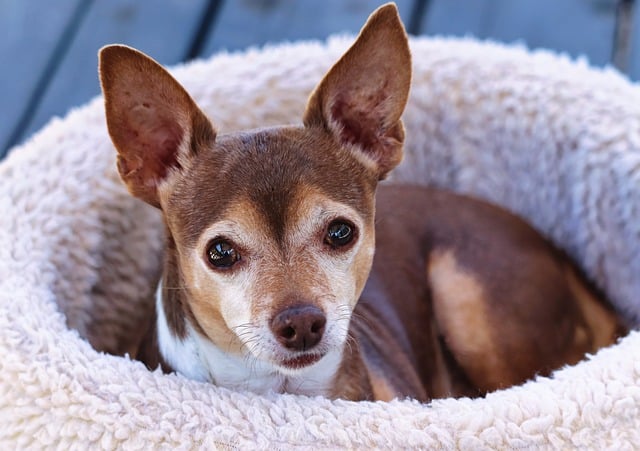 In contrast, the form and nutrient composition of wet food are more in line with the needs of puppies with diarrhea. Wet food generally takes meat as the main raw material, and appropriate amounts of water, vitamins, and minerals are added. It has a soft and delicate texture and is easy to chew and digest. For puppies with damaged intestinal functions, wet food can be absorbed without excessive peristalsis of the stomach and intestines and a large secretion of digestive juices, greatly reducing the burden on the stomach and intestines. At the same time, the water content of wet food is as high as 70% - 80%, which can timely replenish the large amount of water lost by puppies with diarrhea due to defecation and prevent the occurrence of dehydration. Moreover, the rich protein and other nutrients in wet food also help puppies replenish energy during the recovery period and repair the damaged intestinal mucosa.
However, wet food is not perfect either. Due to its high water content, wet food is prone to spoilage after being opened and needs to be consumed as soon as possible or stored properly. In addition, feeding wet food alone for a long time may lead to dental problems in puppies. Because wet food has a soft texture and cannot clean the teeth through chewing and friction like dry food, it is easy for food residues to adhere to the surface of the teeth, and over time, dental plaque and tartar will form.
In actual feeding of puppies with diarrhea, the best choice is often to reasonably combine wet food and dry food. In the early stage of a puppy's diarrhea, when the stomach and intestines are the most fragile, wet food should be the main food. The owner can choose prescription wet food specifically designed for puppies. This kind of wet food has a special formula, is easier to digest and absorb, and also contains nutrients that help repair the intestines. As the puppy's diarrhea symptoms gradually ease and the gastrointestinal function begins to recover, the proportion of dry food can be gradually increased. But be sure to soak the dry food in warm water until it is soft before feeding. This can not only reduce the irritation of dry food to the stomach and intestines but also ensure a certain degree of chewability to help the puppy clean its teeth.
In addition to the choice of food type, the feeding method and frequency are also crucial for puppies with diarrhea. During the period of diarrhea, the principle of feeding small meals frequently should be followed to avoid overfeeding at one time, which will increase the burden on the stomach and intestines. The food for a day can be divided into 4 to 6 feedings, and the amount of each feeding should be appropriate for the puppy to digest easily. At the same time, pay close attention to the puppy's eating situation and defecation status. If it is found that the puppy still refuses to eat, or the diarrhea symptoms do not improve or even worsen, take it to a pet hospital for examination and treatment immediately.
Taking care of a puppy with diarrhea is like a challenging act of loving protection. In the face of the difficult problem of food selection, we not only need to choose the most suitable diet for them based on scientific knowledge but also always pay attention to their physical condition and give them meticulous care. Whether it is wet food or dry food, as long as we take the trouble to understand the needs of puppies, combine them reasonably, and feed them scientifically, we will definitely be able to help them overcome diarrhea, regain their vitality, and continue to accompany us to create more beautiful memories in the days to come.
Let’s be real: It’s a sticky August morning in Los Angeles, and you took your 2-year-old Golden Retriever, Max, for a walk a little later than usual
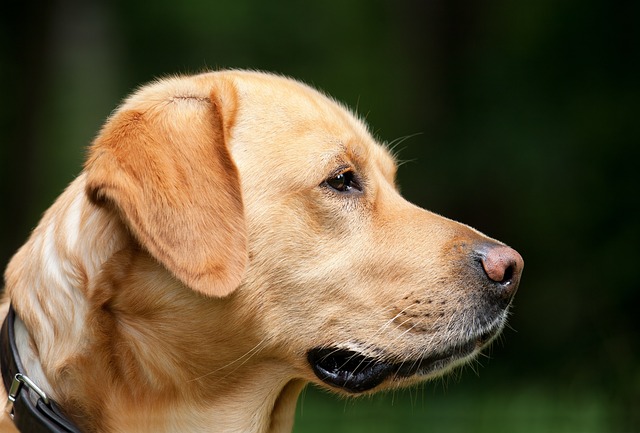
You're enjoying a summer afternoon at the park when you notice your dog has stopped panting and appears disoriented - their gums are bright red
Let’s paint the picture: You’re in your Denver apartment, watching your 4-year-old Boston Terrier, Ruby, plop down mid-play session with her favorite toy

Many dog owners notice their pets nails seem shorter after regular walks,but how much does this daily activity actually help?The answer depends on where you walk—concrete sidewalks or asphalt streets gently file nails as a dog's paws hit the ground
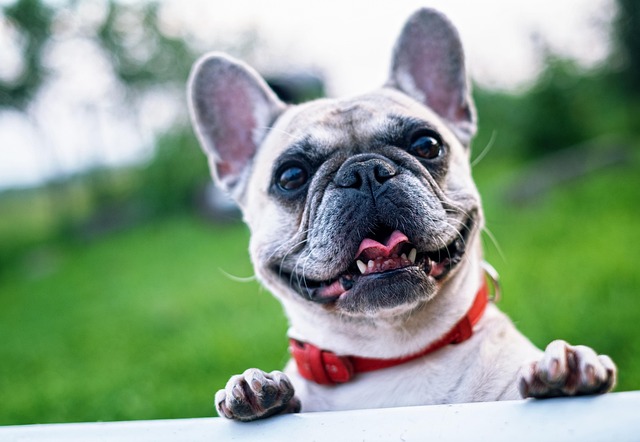
Most dog owners notice their pup scooting across the carpet at some point, but few connect it to impacted anal glands. These small sacs near a dog’s rectum secrete a scent for marking territory
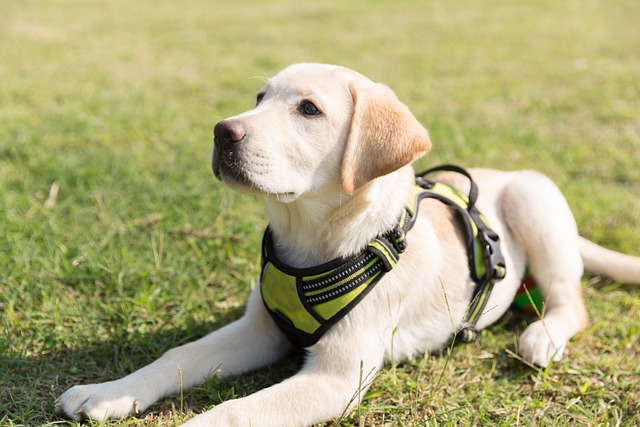
Most vets agree that regular dog teeth cleaning is key to avoiding painful dental issues later. For healthy adult dogs, a professional cleaning at the vet’s office every 12 to 18 months usually works well.