

How can I tell if my dog's heatstroke is serious
Let’s be real: It’s a sticky August morning in Los Angeles, and you took your 2-year-old Golden Retriever, Max, for a walk a little later than usual
Let's be honest, watching your dog vacuum up their dinner in seconds is equal parts impressive and slightly alarming. While it might seem like a quirky habit, that lightning-fast kibble consumption is actually a cause for concern for dog owners across the US, UK, Canada, and Europe. Science tells us it's more than just messy – it can pose genuine health risks and impact your furry friend's well-being. Understanding why it's problematic and what you can do about it is key to responsible pet ownership, fitting smoothly into Western lifestyles and even touching on welfare considerations.
The most immediate danger is choking. Gulping large mouthfuls of food without proper chewing is a hazard. Think about kibble pieces getting lodged or even inhaling bits – it’s a scary situation requiring quick action. More insidious is the risk of bloat, formally known as Gastric Dilatation-Volvulus (GDV). This life-threatening emergency happens when the stomach fills rapidly with air (from gulping) or food, then potentially twists. Deep-chested breeds like Great Danes, German Shepherds, and Weimaraners are especially susceptible, but no dog is truly immune. Fast eating significantly increases this risk. Even without twisting, that sudden stomach distension causes intense discomfort – think painful gas, indigestion, and embarrassing (for you) but uncomfortable (for them) regurgitation moments later. You might notice your dog pacing, drooling excessively, or acting restless right after their speed-demon meal. Long-term, consistently eating too fast can contribute to poor digestion and nutrient absorption. Food simply isn't broken down effectively, meaning your pup might not be getting the full benefit of their carefully chosen, potentially premium food – something many owners in Europe and North America invest heavily in.
Beyond the physical risks, there's a behavioral angle. Mealtime frenzy can sometimes be linked to underlying food anxiety or resource guarding. If a dog feels insecure about their food source, perhaps from past experiences or competition in multi-dog homes (common in many Western households), they might bolt it down defensively. This isn't just about manners; it can escalate into guarding behaviors, making interactions around food bowls tense or even dangerous, especially with children present. Culturally, managing resource guarding is a significant aspect of responsible dog ownership emphasized by trainers and welfare organizations in the West.

So, what can you do? Thankfully, plenty of solutions align with modern pet care practices. Slow feeder bowls are the go-to fix for many. These clever bowls have ridges, mazes, or raised patterns forcing your dog to navigate around obstacles, slowing them down significantly. They come in various styles to suit different snout shapes. Puzzle feeders or snuffle mats turn mealtime into brainwork. Hiding kibble in a fabric mat or inside a toy that requires manipulation engages their natural foraging instincts, providing mental stimulation alongside slower eating – a win-win highly valued in pet enrichment circles. Portion control is crucial. Instead of one huge meal, split their daily ration into smaller, more frequent feedings. This reduces the amount consumed at once, easing pressure on their digestive system. Calm environment matters too. Feed anxious eaters in a quiet, low-traffic area away from other pets to reduce competitive stress. For multi-dog homes, separate feeding spaces are essential welfare practice. If food anxiety seems severe, consulting a certified positive reinforcement trainer or a veterinary behaviorist is highly recommended – proactive behavioral management is a cornerstone of responsible pet care.
Ignoring fast eating isn't wise. While not every speedy eater will suffer bloat, the risks are real and well-documented by veterinarians. Choosing to slow them down demonstrates proactive care, aligning with animal welfare principles embedded in legislation like the UK's Animal Welfare Act or similar frameworks elsewhere, which often include provisions for preventing avoidable suffering. It promotes better digestion, reduces immediate dangers like choking, addresses potential behavioral issues, and ensures your dog actually savors their food (well, as much as a dog can!). Taking those extra steps for a safer, slower mealtime is a simple yet impactful way to show your commitment to your dog's long-term health and happiness.
Let’s be real: It’s a sticky August morning in Los Angeles, and you took your 2-year-old Golden Retriever, Max, for a walk a little later than usual

You're enjoying a summer afternoon at the park when you notice your dog has stopped panting and appears disoriented - their gums are bright red

Let’s paint the picture: You’re in your Denver apartment, watching your 4-year-old Boston Terrier, Ruby, plop down mid-play session with her favorite toy

Many dog owners notice their pets nails seem shorter after regular walks,but how much does this daily activity actually help?The answer depends on where you walk—concrete sidewalks or asphalt streets gently file nails as a dog's paws hit the ground
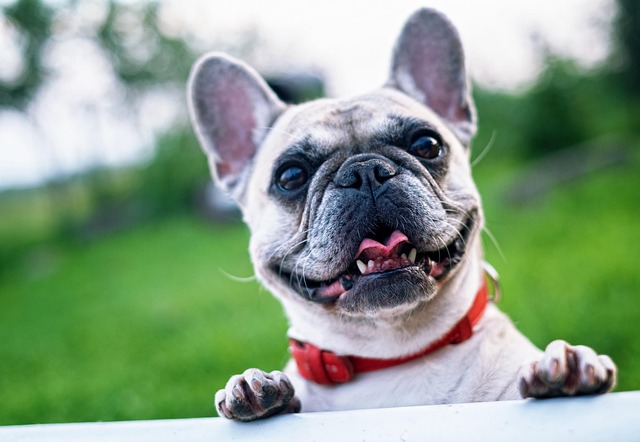
Most dog owners notice their pup scooting across the carpet at some point, but few connect it to impacted anal glands. These small sacs near a dog’s rectum secrete a scent for marking territory

Most vets agree that regular dog teeth cleaning is key to avoiding painful dental issues later. For healthy adult dogs, a professional cleaning at the vet’s office every 12 to 18 months usually works well.