

How can I tell if my dog's heatstroke is serious
Let’s be real: It’s a sticky August morning in Los Angeles, and you took your 2-year-old Golden Retriever, Max, for a walk a little later than usual
If you’ve ever turned your back for two minutes, only to find your dog with a coffee-stained snout and an empty compost bin, you know the panic that sets in. New dog owners, like my cousin who has a curious dachshund named Gus, often freeze—wondering if a few licks of used coffee grounds are dangerous. Last month, Gus raided the kitchen trash while she was on a work call, and she spent 20 minutes Googling “coffee and dogs” with a racing heart. The good news is that small amounts of used coffee grounds are rarely life-threatening, but it’s still important to act quickly and know the signs to watch for.
Used coffee grounds contain caffeine, which is toxic to dogs. Caffeine stimulates their nervous system, and even a little can cause issues like restlessness, rapid breathing, or an upset stomach. The risk depends on your dog’s size: a Chihuahua who eats a cup of grounds is in more danger than a Great Dane who sniffs up a few crumbs. Used grounds have less caffeine than fresh coffee, but they’re still risky—especially if your dog eats a lot. Think of it like chocolate for dogs: a tiny bite might not hurt, but larger amounts can be serious. Gus ate about a tablespoon, which his vet said was too small to cause harm, but she still kept a close eye on him for 24 hours.

If your dog eats used coffee grounds, start by staying calm—panic won’t help either of you. Check how much they ate: a few licks off the floor are less worrying than a whole scoop from the compost. Call your vet or an animal poison control hotline (like the ASPCA’s, which is 24/7) right away. They might ask about your dog’s weight, how much they ate, and when it happened. For small amounts, they may advise watching for symptoms like vomiting, diarrhea, or hyperactivity. Never try to make your dog vomit unless a vet tells you to—this can hurt their throat. Keep them calm and offer plenty of fresh water to help flush things through. In apartments, move any remaining coffee grounds (or other toxins like chocolate) to high shelves to prevent a repeat.
Handling this scare ties into responsible pet habits. Keep your dog’s rabies vaccine current—all U.S. states require it, and a healthy dog is better able to handle minor toxins. When walking, carry poop bags (fines for littering hit $150 in many cities) and use the time to practice “leave it” commands—rewarding your dog for ignoring trash can help prevent future snacking. Never scold a dog for eating something they shouldn’t; they’re just being curious, and positive reinforcement (like treats for dropping items on command) works better. With quick action and a little prevention, most dogs bounce back from a coffee ground mishap without trouble.
Let’s be real: It’s a sticky August morning in Los Angeles, and you took your 2-year-old Golden Retriever, Max, for a walk a little later than usual

You're enjoying a summer afternoon at the park when you notice your dog has stopped panting and appears disoriented - their gums are bright red

Let’s paint the picture: You’re in your Denver apartment, watching your 4-year-old Boston Terrier, Ruby, plop down mid-play session with her favorite toy

Many dog owners notice their pets nails seem shorter after regular walks,but how much does this daily activity actually help?The answer depends on where you walk—concrete sidewalks or asphalt streets gently file nails as a dog's paws hit the ground
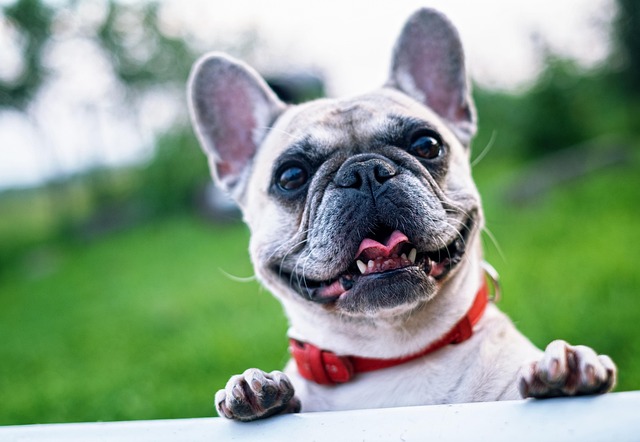
Most dog owners notice their pup scooting across the carpet at some point, but few connect it to impacted anal glands. These small sacs near a dog’s rectum secrete a scent for marking territory
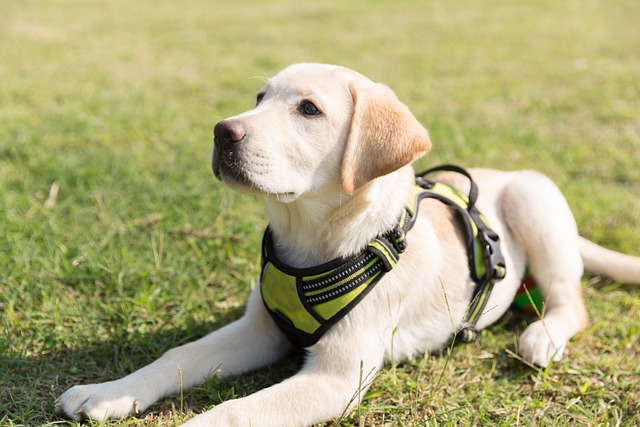
Most vets agree that regular dog teeth cleaning is key to avoiding painful dental issues later. For healthy adult dogs, a professional cleaning at the vet’s office every 12 to 18 months usually works well.