

How can I tell if my dog's heatstroke is serious
Let’s be real: It’s a sticky August morning in Los Angeles, and you took your 2-year-old Golden Retriever, Max, for a walk a little later than usual
When your vet recommends a dog tooth extraction, it’s easy to fixate on the procedure itself—but the days before and after matter just as much for a smooth recovery. Start by skipping food after midnight the night before surgery; most vets require this to prevent vomiting while your dog is under anesthesia, and ignoring it could delay the procedure. You can offer small sips of water until morning, but avoid treats entirely—even a tiny biscuit might put their safety at risk during the operation.
Post-surgery, watch for signs of trouble: excessive bleeding (more than a few drops on their bed), swelling that gets worse after 24 hours, or refusal to drink water. These aren’t just red flags for recovery—they’re also cues to act fast to stay compliant with local animal welfare laws. In places like France or Colorado, failing to address a pet’s post-op pain or complications could be considered neglect, so don’t hesitate to call your vet if something feels off. Stick to the pain meds they prescribe, too—never give human painkillers like ibuprofen, which is toxic to dogs and a violation of basic care guidelines.
 Diet is non-negotiable here: hard kibble, rawhides, or even crunchy treats are off-limits for at least 10 days. Opt for soft, room-temperature food like mashed canned dog food or cooked, shredded chicken (no bones!) to avoid irritating the extraction site. Some owners in the UK and Canada use vet-approved dental recovery diets, which are formulated to be gentle while still providing nutrients—these are a great choice if your dog is a picky eater. Avoid feeding from elevated bowls, too; bending down to eat puts less pressure on their mouth, helping the wound heal faster.
Keep your dog calm for the first week—no rough play, long walks, or jumping on furniture. Their body needs energy to heal, and overexertion can cause bleeding or dislodge the blood clot that forms over the extraction site (a painful issue called dry socket). If you have other pets, separate them during mealtimes to prevent competition—stress from fights over food can slow recovery and even lead to aggressive behavior, which is something many local pet behavior guidelines advise against.
Before the procedure, confirm your vet is licensed and has experience with dog tooth extractions—most regions in Europe and North America require vets to have specific training for dental surgeries, and choosing an unqualified provider could violate local pet care laws. With careful prep, gentle post-op care, and adherence to your vet’s instructions, most dogs bounce back from a tooth extraction in 2-3 weeks. Following these precautions not only keeps your pup comfortable but also ensures you’re meeting legal standards, turning a stressful experience into a manageable one.
Let’s be real: It’s a sticky August morning in Los Angeles, and you took your 2-year-old Golden Retriever, Max, for a walk a little later than usual
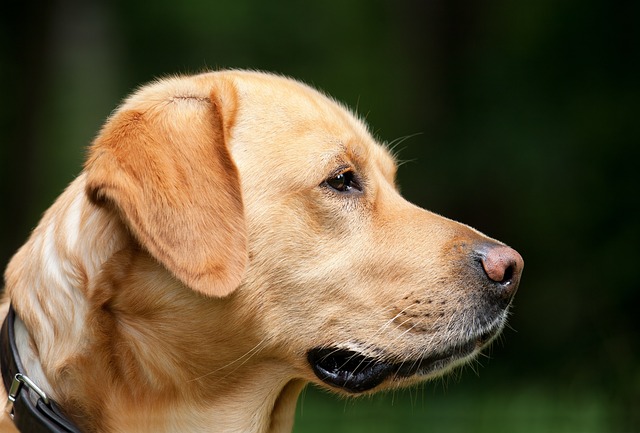
You're enjoying a summer afternoon at the park when you notice your dog has stopped panting and appears disoriented - their gums are bright red
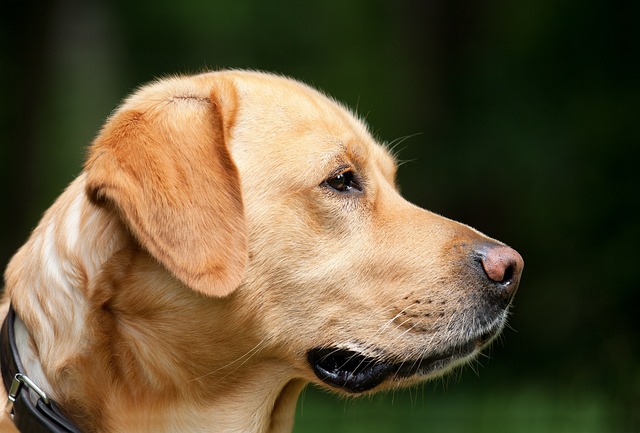
Let’s paint the picture: You’re in your Denver apartment, watching your 4-year-old Boston Terrier, Ruby, plop down mid-play session with her favorite toy

Many dog owners notice their pets nails seem shorter after regular walks,but how much does this daily activity actually help?The answer depends on where you walk—concrete sidewalks or asphalt streets gently file nails as a dog's paws hit the ground
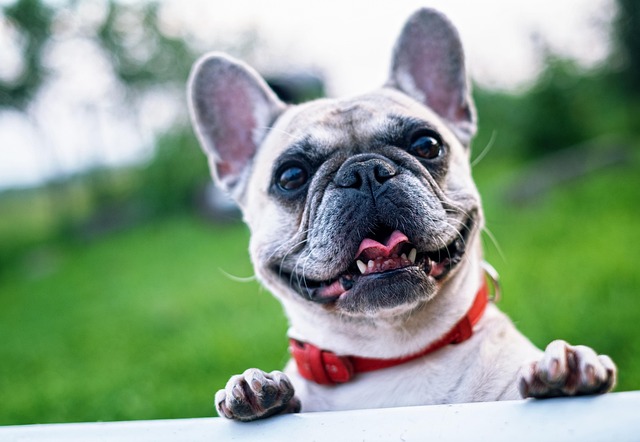
Most dog owners notice their pup scooting across the carpet at some point, but few connect it to impacted anal glands. These small sacs near a dog’s rectum secrete a scent for marking territory
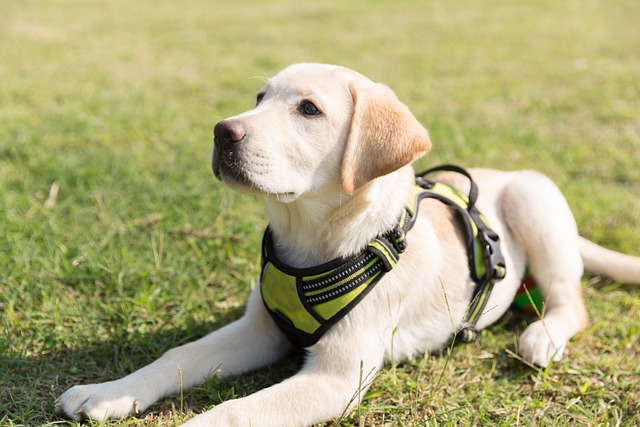
Most vets agree that regular dog teeth cleaning is key to avoiding painful dental issues later. For healthy adult dogs, a professional cleaning at the vet’s office every 12 to 18 months usually works well.