
How can I tell if my dog's heatstroke is serious
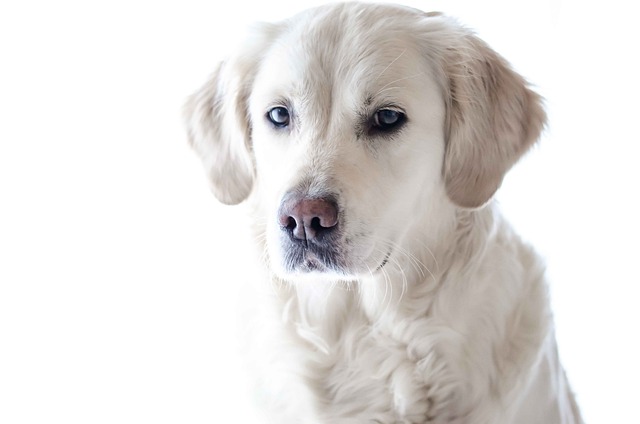
Let’s be real: It’s a sticky August morning in Los Angeles, and you took your 2-year-old Golden Retriever, Max, for a walk a little later than usual
Many folks assume shaving their furry friend down to the skin when summer heat hits is a kindness, a direct path to canine comfort. That belief feels intuitive, doesn't it? Less fur must mean less heat, right? Actually, this common practice deserves a closer look. Understanding your dog's unique coat and how it functions is key to truly helping them beat the heat without unintended consequences.
A dog's fur is far more than just decoration; it's a sophisticated, natural climate control system. Think of that double coat on breeds like Huskies or Golden Retrievers. The dense undercoat acts as insulation, trapping a layer of air close to the skin. This isn't just for winter warmth – it works remarkably well in summer too, shielding them from intense external heat and preventing their body temperature from spiking too quickly. The outer guard hairs provide crucial protection against harmful UV rays, much like built-in sunscreen, and also help repel dirt and water. Shaving disrupts this entire delicate system, stripping away their primary defense against sunburn and overheating. Their coat is designed to work *with* the seasons, not against them.
Removing that protective layer, especially a close shave, exposes your dog to several significant risks. Sunburn becomes a real danger on exposed pink skin, particularly on the belly, ears, and nose, potentially leading to painful burns and increasing skin cancer risk long-term. Without the guard hairs, the skin is also more vulnerable to insect bites, allergens, and abrasions from rough surfaces during walks or play. You might be surprised to learn that shaving can actually *hinder* their natural cooling process. Dogs primarily cool through panting and sweat glands in their paw pads; their coat helps regulate this by providing insulation. Removing it can sometimes make them *more* susceptible to heat stress. Furthermore, shaving can permanently damage the hair follicle in some breeds, leading to patchy, uneven regrowth or altering the texture and color of the coat – a cosmetic issue with functional downsides.
Veterinary dermatologists and canine thermoregulation experts consistently challenge the blanket recommendation for summer shaves. Dr. Sarah Wooten, DVM, emphasizes, "For the vast majority of double-coated breeds, a full shave does more harm than good. Their coat is their thermostat and their sunblock." Research supports this, showing that a dog's natural coat facilitates air circulation close to the skin, aiding evaporative cooling more effectively than bare skin exposed to hot air. The consensus? A one-size-fits-all approach is misguided. Factors like breed, coat type (single vs. double), age, health status, and even the dog's lifestyle and local climate are critical. That said, there are exceptions – some single-coated breeds or dogs with specific medical conditions (like severe matting or certain skin infections) might benefit from clipping under veterinary guidance.
So, what *can* you do to help your pup stay cool and comfortable when temperatures soar? Focus on smart, targeted grooming. Regular, thorough brushing – daily for heavy shedders – is paramount. This removes the loose, dead undercoat (the "winter wool") that traps heat, allowing better air circulation without sacrificing the protective outer layer. For many dogs, especially those with long or thick hair, a professional *trim* (not a shave) can be beneficial. Ask your groomer for a "summer cut" or "sanitary trim," focusing on areas like the belly, inner thighs, around the ears, and the feet to enhance airflow where it matters most. Always prioritize shade and fresh, cool water – hydration is critical. Cooling mats, damp towels for them to lie on, and limiting strenuous exercise to cooler parts of the day are essential strategies. Consider a dog-safe sunscreen for exposed skin on breeds prone to sunburn if they'll be outdoors for extended periods.
Making the right grooming choice for summer boils down to understanding your individual dog. Resist the urge for that dramatic buzz cut based on human logic. Their biology is different. While the sight of a thick coat might make you sweat just looking at it, remember it's their built-in survival gear. Consult your veterinarian or a certified professional groomer who understands coat types. Discuss your dog's specific needs, their breed characteristics, and your local weather patterns. Armed with accurate information and expert advice, you can make informed decisions that truly keep your best friend safe, comfortable, and happily wagging all summer long. Their well-being is worth that extra bit of knowledge.
Let’s be real: It’s a sticky August morning in Los Angeles, and you took your 2-year-old Golden Retriever, Max, for a walk a little later than usual
You're enjoying a summer afternoon at the park when you notice your dog has stopped panting and appears disoriented - their gums are bright red
Let’s paint the picture: You’re in your Denver apartment, watching your 4-year-old Boston Terrier, Ruby, plop down mid-play session with her favorite toy

Many dog owners notice their pets nails seem shorter after regular walks,but how much does this daily activity actually help?The answer depends on where you walk—concrete sidewalks or asphalt streets gently file nails as a dog's paws hit the ground
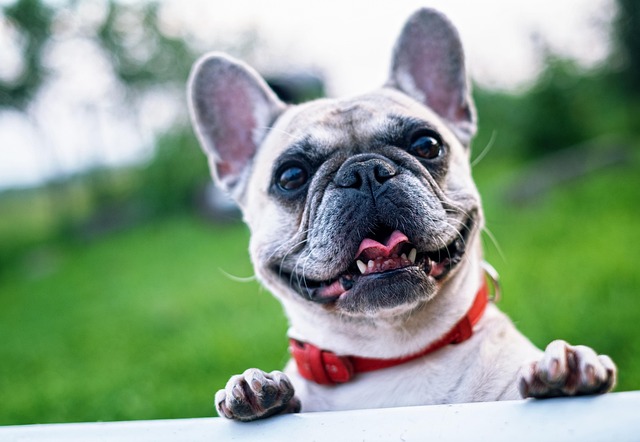
Most dog owners notice their pup scooting across the carpet at some point, but few connect it to impacted anal glands. These small sacs near a dog’s rectum secrete a scent for marking territory
Most vets agree that regular dog teeth cleaning is key to avoiding painful dental issues later. For healthy adult dogs, a professional cleaning at the vet’s office every 12 to 18 months usually works well.