
How can I tell if my dog's heatstroke is serious
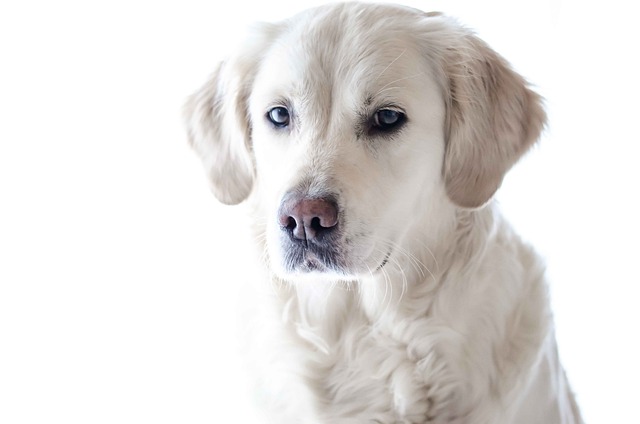
Let’s be real: It’s a sticky August morning in Los Angeles, and you took your 2-year-old Golden Retriever, Max, for a walk a little later than usual
Should I brush dog flaky skin? If you’ve ever sat on your living room floor in Atlanta, running your hand through your labradoodle “Charlie’s” curly coat, only to watch white flakes drift onto your jeans like tiny snowflakes, you’ve probably paused with a brush in hand. Is brushing helping, or just irritating his skin? It’s a common worry for new owners, but the answer is simple: yes, you should brush—if you do it right. Let’s break down why, how, and what to watch for.
First, let’s get why flaky skin happens. A dog’s skin naturally sheds dead cells, which turn into those flakes. When there’s more than usual, it’s often a sign of dryness—maybe from winter heaters in Boston apartments zapping moisture, or summer AC in Phoenix sucking oils from his coat. Brushing does two key things: it lifts those dead cells before they pile up, and it spreads your dog’s natural oils (the waxy stuff that keeps skin soft) across his body. Think of it like combing your own hair to distribute conditioner—gentle, effective, and way better than letting flakes build up. But here’s the catch: brushing too hard or with the wrong tool can scratch tender skin, making flakes worse. It’s all about balance.
So, how to brush properly? Start with the right tool. For short-haired dogs like Charlie, a rubber curry comb works—its soft nubs massage skin without irritation. Long-haired breeds might need a soft bristle brush to get through tangles. My neighbor in Denver uses a rubber comb on her husky “Luna”; she swears by brushing after walks, when Luna’s relaxed, and offers a freeze-dried chicken treat after each pass. “She used to run when she saw the brush,” she says, “now she leans into it.” Keep sessions short—5 minutes max at first—and follow the direction of hair growth. If your dog flinches, lighten up; if he licks your hand or wags his tail, you’re doing it right. Aim for 2-3 times a week—more than that can overstrip oils, less lets flakes build.

Brushing ties into bigger pet responsibilities in the U.S. First, stay on top of vaccines: all states require rabies shots by 4 months old, with fines up to $500 in Los Angeles for skipping them. A healthy dog’s skin handles brushing better, so this matters. When out walking, always carry poop bags—failing to clean up in Chicago can cost $250, and a flaky dog sheds more, so keeping shared spaces tidy is extra important.
Apartment dwellers, note: brushing cuts down on flakes on couches and carpets, keeping your space cleaner (and your landlord happy). If your building has a shared dog run, a well-brushed pup is less likely to leave flakes on other owners’ clothes—polite and practical. And remember, positive reinforcement is key. Never hold your dog down to brush—if he squirms, take a break, play a game, then try again with treats. Scolding only teaches him to fear the brush, making future sessions harder.
With gentle, regular brushing, those flakes will thin out, and your dog will enjoy the attention. When Charlie leans into your hand, his coat smooth and flake-free? That’s the proof: a little care goes a long way for both of you.
Let’s be real: It’s a sticky August morning in Los Angeles, and you took your 2-year-old Golden Retriever, Max, for a walk a little later than usual
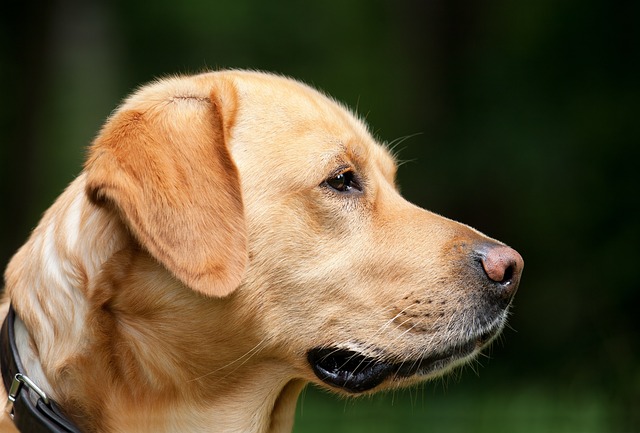
You're enjoying a summer afternoon at the park when you notice your dog has stopped panting and appears disoriented - their gums are bright red
Let’s paint the picture: You’re in your Denver apartment, watching your 4-year-old Boston Terrier, Ruby, plop down mid-play session with her favorite toy

Many dog owners notice their pets nails seem shorter after regular walks,but how much does this daily activity actually help?The answer depends on where you walk—concrete sidewalks or asphalt streets gently file nails as a dog's paws hit the ground
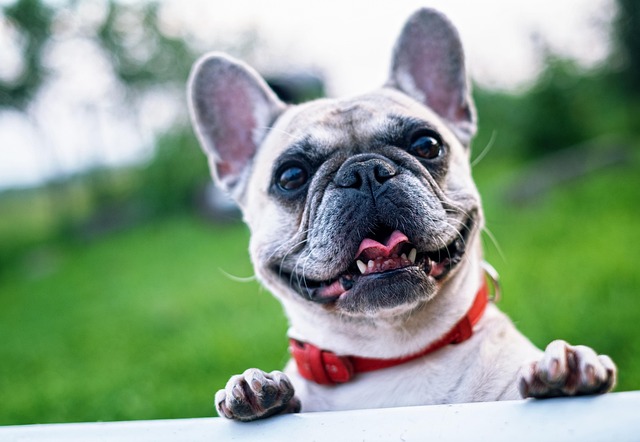
Most dog owners notice their pup scooting across the carpet at some point, but few connect it to impacted anal glands. These small sacs near a dog’s rectum secrete a scent for marking territory

Most vets agree that regular dog teeth cleaning is key to avoiding painful dental issues later. For healthy adult dogs, a professional cleaning at the vet’s office every 12 to 18 months usually works well.