

How do i train my dog to be obedient?
Watching your dog dart across the park ignoring your calls isn’t just frustrating—it can put them at risk near busy streets or public spaces.
In the interaction between humans and dogs, a name is more than just a simple address; it carries a bridge of emotion, trust, and communication. Many owners often overlook a seemingly trivial but crucial detail during dog training: randomly calling the dog's name. This behavior can not only affect training effectiveness but also damage the dog's sensitivity and trust toward its name. A name is the most direct bond between a dog and its owner, and every call should be meaningful and purposeful, rather than an unconscious repetition or emotional outburst.
A dog's name is the key for them to recognize themselves and respond to their owner. When an owner first gives a name to a dog, the foundation of their relationship is laid. Repeating the name and using positive reinforcement help the dog gradually understand that this sound represents itself, and responding to it brings rewards or pleasant experiences. However, if the owner frequently and meaninglessly calls the dog's name during training or daily life—especially in negative situations, such as angrily shouting the name when the dog misbehaves—the dog will gradually become confused or even resistant to this sound. The name, which should be a positive signal, can turn into "noise" and lose its original meaning. Imagine if someone always used your name to scold you; over time, you would also develop resistance to your own name. Dogs feel the same way.
The core of training lies in clear, consistent commands and positive reinforcement. The role of a name is to attract the dog's attention and prepare it for subsequent commands or interactions. If the dog's name is called randomly during training without clear follow-up actions or rewards, the dog will feel confused and even become numb to the name. For example, when training the "sit" command, the owner should first call the dog's name, wait for it to make eye contact, and then issue the "sit" command. If the name is overused, the dog may start to ignore it, reducing training efficiency. Worse, if the name is always associated with negative emotions—such as the owner repeatedly calling it while angry—the dog will learn to avoid the name, as it links the sound to unpleasant experiences.
The emotional impact should not be underestimated. Dogs are highly sensitive animals that can perceive emotions through their owner's tone of voice, expressions, and body language. When a name is used arbitrarily or negatively, dogs feel uneasy and may even develop anxiety. A name should symbolize security and a sense of belonging, not a source of stress. Many behavioral issues, such as ignoring commands or avoiding the owner, may stem from the misuse of a name. A dog that trusts its name will respond to the owner faster and be more willing to cooperate with training, while a dog confused or fearful of its name may exhibit passive or resistant behavior.
So, how should we properly use a dog's name during training? First, every call of the name should have a clear purpose. Whether to issue a command, give a reward, or simply express affection, each use of the name should make the dog feel a connection and meaning. Second, avoid using the name in negative contexts. If the dog makes a mistake, use a neutral tone to stop the behavior instead of repeatedly calling its name. The name should always be associated with positive experiences. Finally, maintain consistency. All family members should use the dog's name in the same way to avoid confusion. If one person calls the name to invite interaction while another uses it to scold, the dog will be unable to adapt.
On a deeper level, the use of a name reflects the respect and understanding between the owner and the dog. Dogs are not toys or objects for venting emotions; they are living beings with feelings and cognitive abilities. When we give them a name, we take on the responsibility of building a healthy relationship with them. A name is the starting point of communication and the cornerstone of trust. Randomly shouting a name is not only a training mistake but also an emotional oversight. Every call should be a cherished act that nurtures this relationship.
In training, details determine success or failure. Properly using a dog's name can be more effective than repeating commands ten times. When a dog hears its name, it pricks up its ears and focuses its gaze, knowing that something worthwhile will follow. This tacit understanding is not accidental but is built through every meaningful interaction. The owner's patience and care will be rewarded with the dog's trust and cooperation. Conversely, arbitrarily misusing the name will only alienate and confuse this relationship.
A name is one of the most important sounds in a dog's world. It represents belonging, love, and responsibility. Avoid randomly calling a dog's name during training as a sign of respect for them and a cherishing of this relationship. When we use the name correctly, dogs will repay us with more focus, trust, and joy. And this is the most beautiful bond between humans and dogs.
Watching your dog dart across the park ignoring your calls isn’t just frustrating—it can put them at risk near busy streets or public spaces.

New puppy owners often find themselves rushing to clean up accidents before they set in, and that’s where puppy pad training becomes a game-changer.

If you've noticed your dog's waistline disappearing and your veterinarian has mentioned those few extra pounds, your first instinct might be to simply reduce the amount of food in their bowl.

Training a dog to use a designated spot indoors isn’t as daunting as many new owners fear, but it does take consistency and an understanding of your pet’s needs.

That moment of dread on a walk is all too familiar for many new dog owners. You see another dog approaching down the sidewalk of your neighborhood
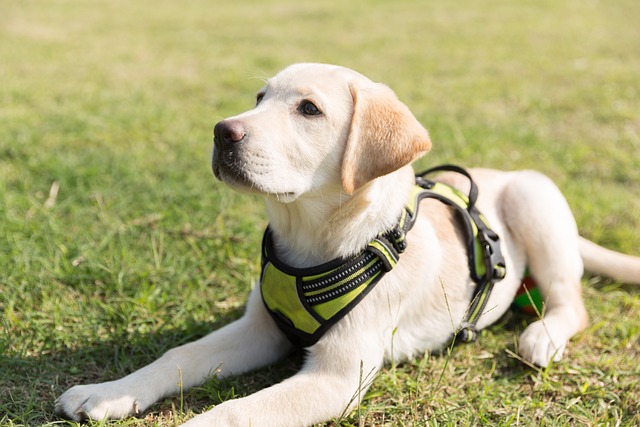
If the sight of another dog on your neighborhood walk makes your heart sink as your own dog erupts into a frenzy of barking and lunging, you're not alone.