

How can I tell if my dog's heatstroke is serious
Let’s be real: It’s a sticky August morning in Los Angeles, and you took your 2-year-old Golden Retriever, Max, for a walk a little later than usual
The summer sun beats down, and your Samoyed’s thick white coat looks like it must be sweltering. It’s tempting to grab the clippers, thinking a short cut will help them stay cool. But before you start trimming, there’s more to consider than just appearances.
Samoyeds evolved in cold climates, and their double coats serve as natural temperature regulators. The outer layer repels heat and sunlight, while the soft undercoat insulates against extreme temperatures—both hot and cold. Shaving removes this built-in protection, leaving their skin vulnerable to sunburn and overheating.
Veterinarians across North America and Europe often caution against shaving double-coated breeds. Without their coat, Samoyeds can suffer from painful sun damage, especially on their ears and bellies. In some regions, animal welfare guidelines discourage unnecessary grooming that compromises a dog’s natural defenses, aligning with laws that prioritize pet health over aesthetics.
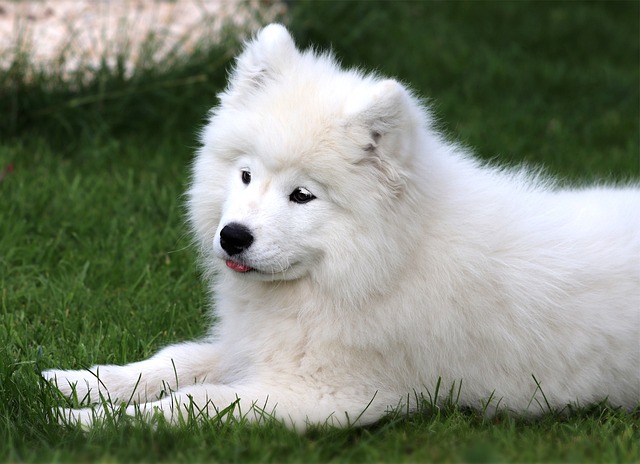 Your Samoyed might pant more in summer, but that’s their body’s way of cooling down. Instead of shaving, try other methods to help them beat the heat. Provide plenty of fresh water, set up shaded areas in your yard, and avoid intense exercise during the hottest parts of the day. A cool towel or kiddie pool can offer relief without risking their coat.
Regular brushing is actually more beneficial than shaving. Removing loose undercoat fur helps their coat breathe better, preventing matting that traps heat. Use a slicker brush or undercoat rake a few times a week—your Samoyed will likely enjoy the attention, and it strengthens your bond.
Some owners worry their Samoyed will be mocked at the dog park for looking “fluffy” in summer, but that’s a human concern, not a canine one. Dogs don’t judge each other’s appearance; they care about play and companionship. Your pup’s comfort should always come first.
If your Samoyed has a medical condition that requires shaving, consult your vet first. They can recommend safe grooming practices and possibly prescribe pet-safe sunscreen for exposed areas. Never attempt a full shave without professional guidance, especially if local regulations require licensed groomers for certain procedures.
As summer fades, their coat will naturally adjust, growing thicker again for cooler weather. Preserving their natural coat year-round supports their overall health and keeps them comfortable in every season. Trust the way they’re built—those fluffy layers are there for a reason.
Watching your Samoyed frolic in the summer breeze, their coat gleaming in the sun, is part of the joy of owning this breed. With proper care and attention to their needs, they’ll thrive through the hottest months—no clippers required.
Let’s be real: It’s a sticky August morning in Los Angeles, and you took your 2-year-old Golden Retriever, Max, for a walk a little later than usual

You're enjoying a summer afternoon at the park when you notice your dog has stopped panting and appears disoriented - their gums are bright red

Let’s paint the picture: You’re in your Denver apartment, watching your 4-year-old Boston Terrier, Ruby, plop down mid-play session with her favorite toy

Many dog owners notice their pets nails seem shorter after regular walks,but how much does this daily activity actually help?The answer depends on where you walk—concrete sidewalks or asphalt streets gently file nails as a dog's paws hit the ground
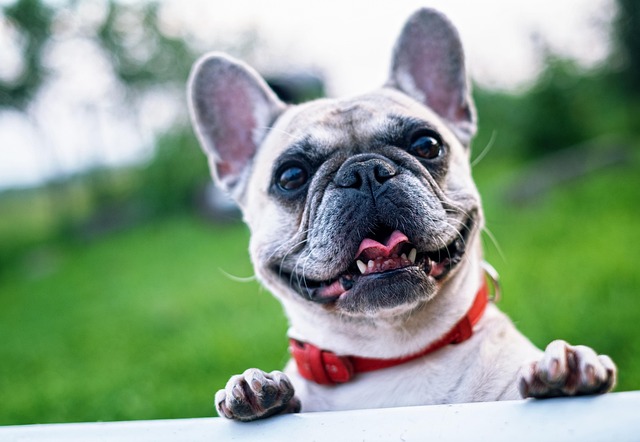
Most dog owners notice their pup scooting across the carpet at some point, but few connect it to impacted anal glands. These small sacs near a dog’s rectum secrete a scent for marking territory

Most vets agree that regular dog teeth cleaning is key to avoiding painful dental issues later. For healthy adult dogs, a professional cleaning at the vet’s office every 12 to 18 months usually works well.